Literacy practice
Today math class was replaced by literacy test prep. We were working on inferencing, and reading questions carefully…all transferrable skills to math problem solving!
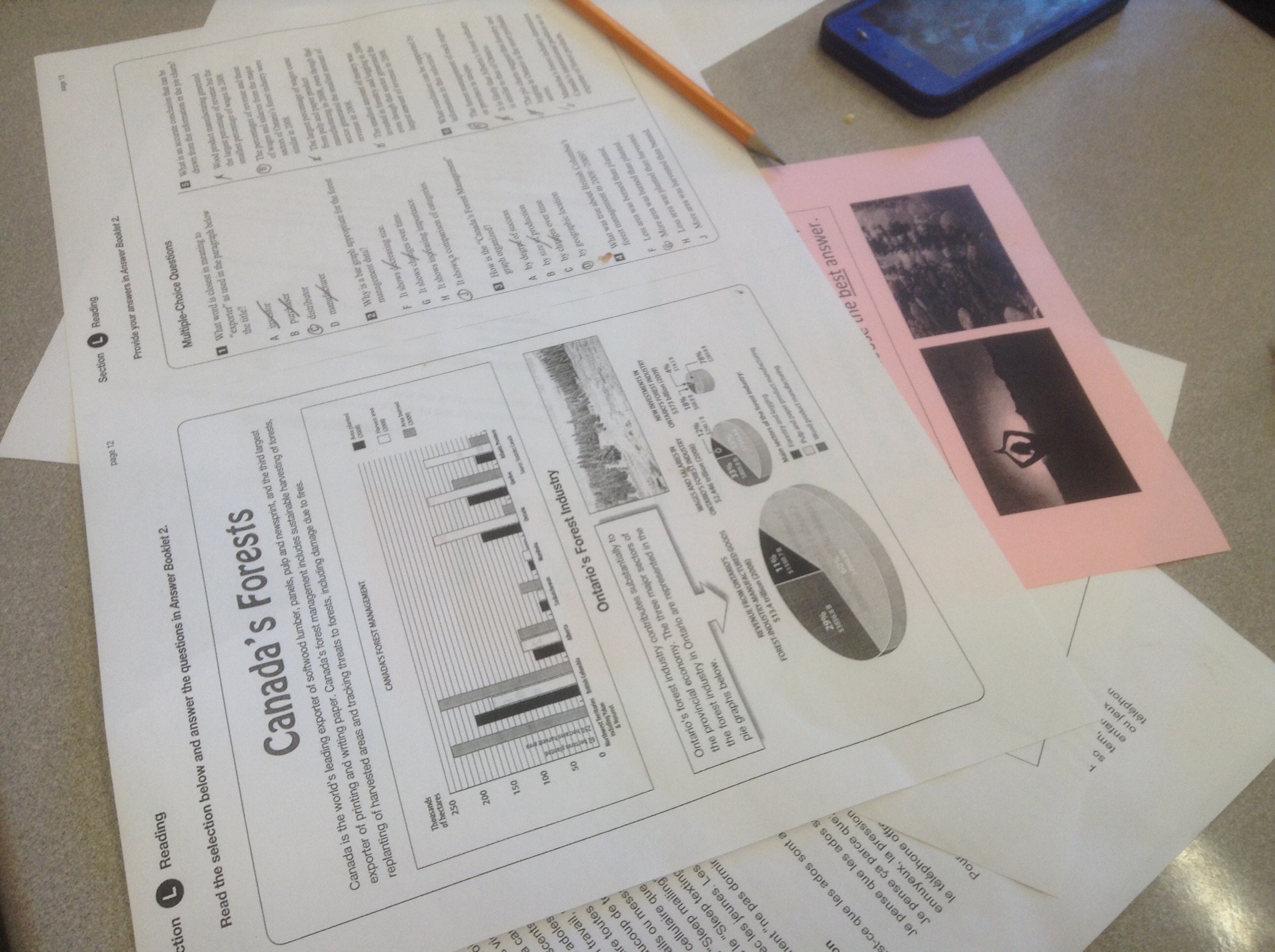
Homework grade 10
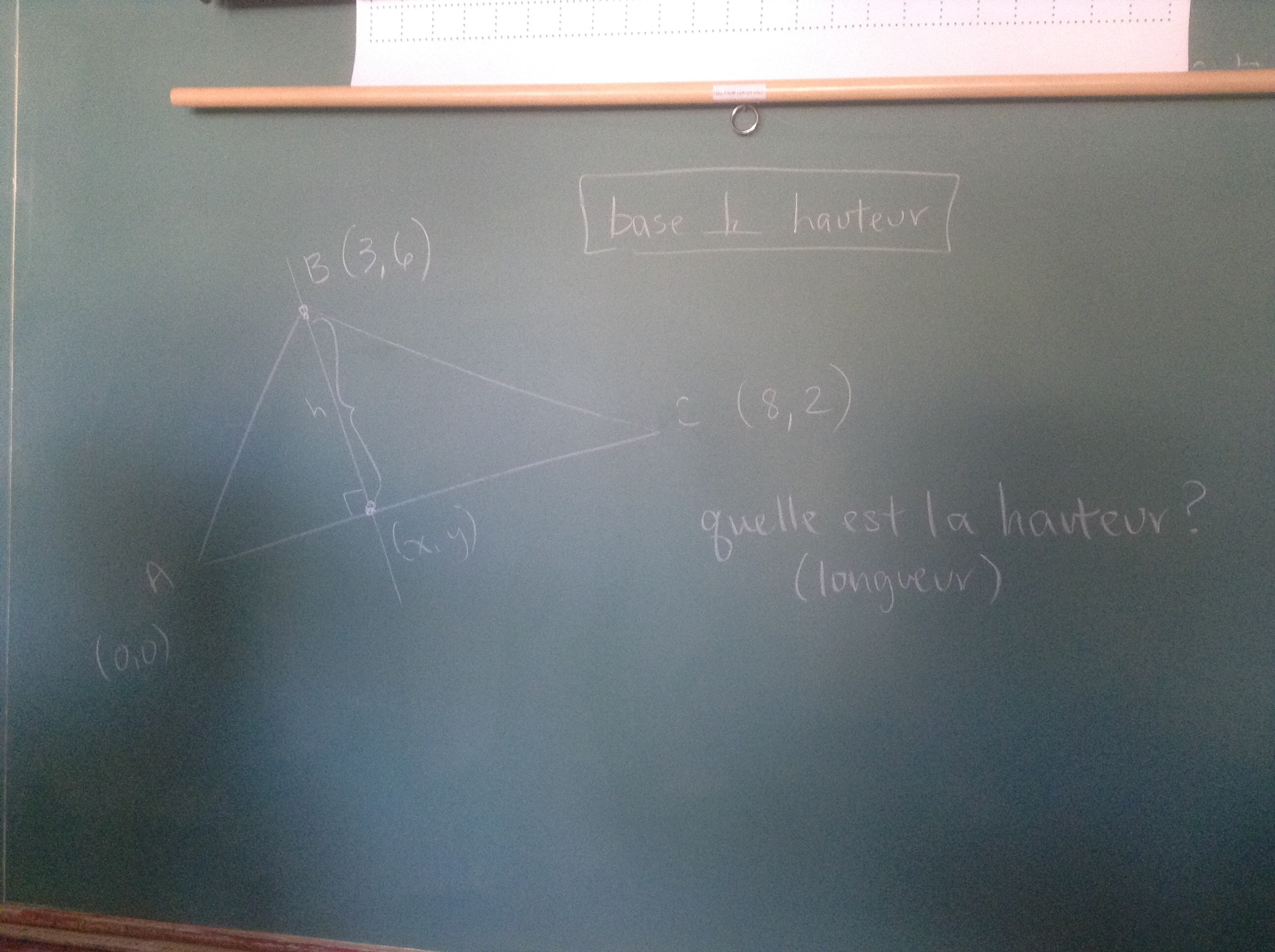
Working hard
On a Friday before a long weeknd, last class of the day, when there’s a quiz, life seems better when the Jay’s game is on in the background.
We split up into teams to solve the homework task (determining the height of a triangle when you know he 3 corner points only)

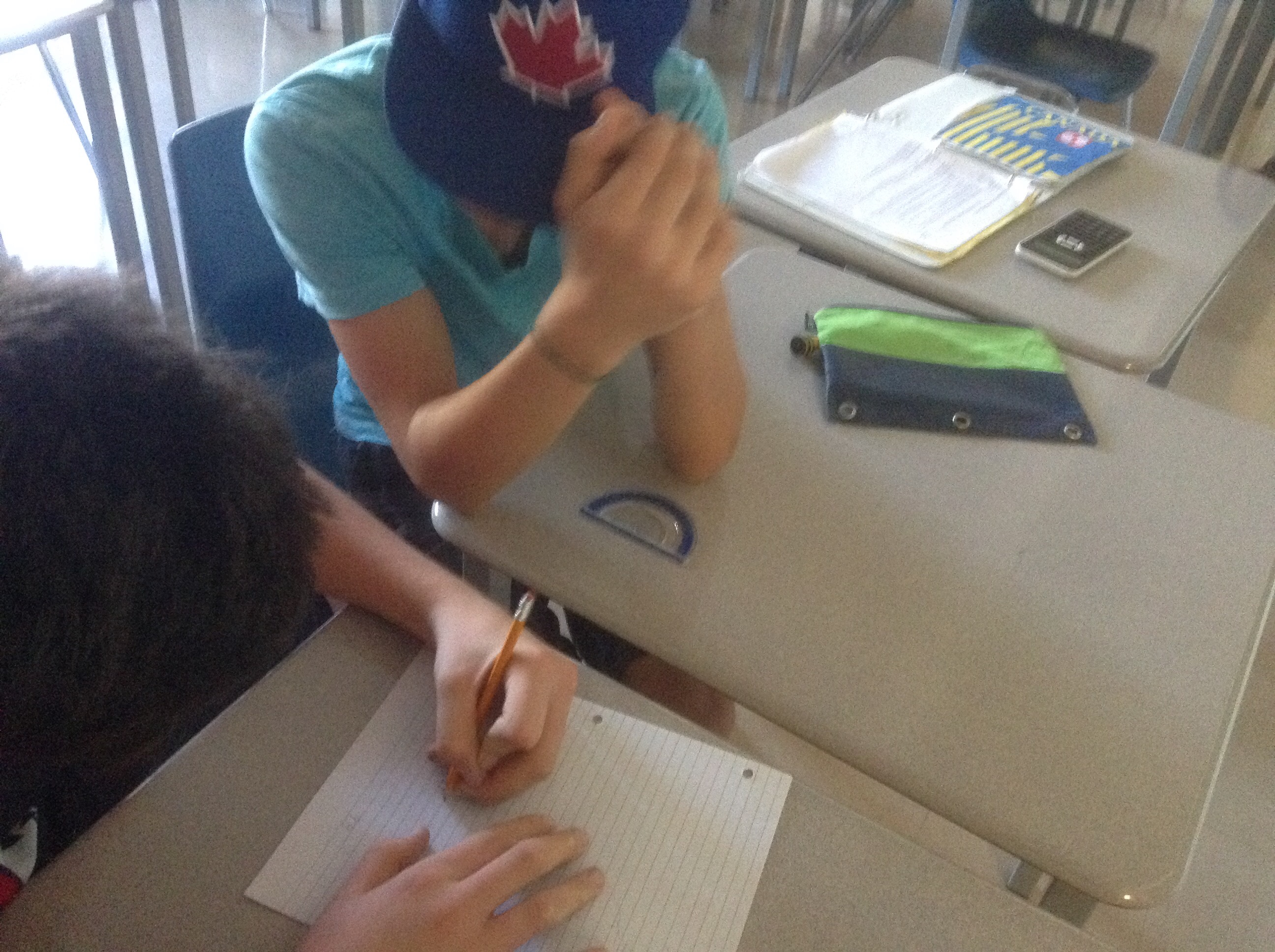
There was some pretty intense teamwork happening, and some productive struggle as we needed to use all our tools of slope, perpendicularity, equations, graphing, substitution/elimination, distance formula etc. We will revisit the concept after the long weekend.
Hegagons!
We are each making a regular hexagon with 10cm sides to add to our wall decor.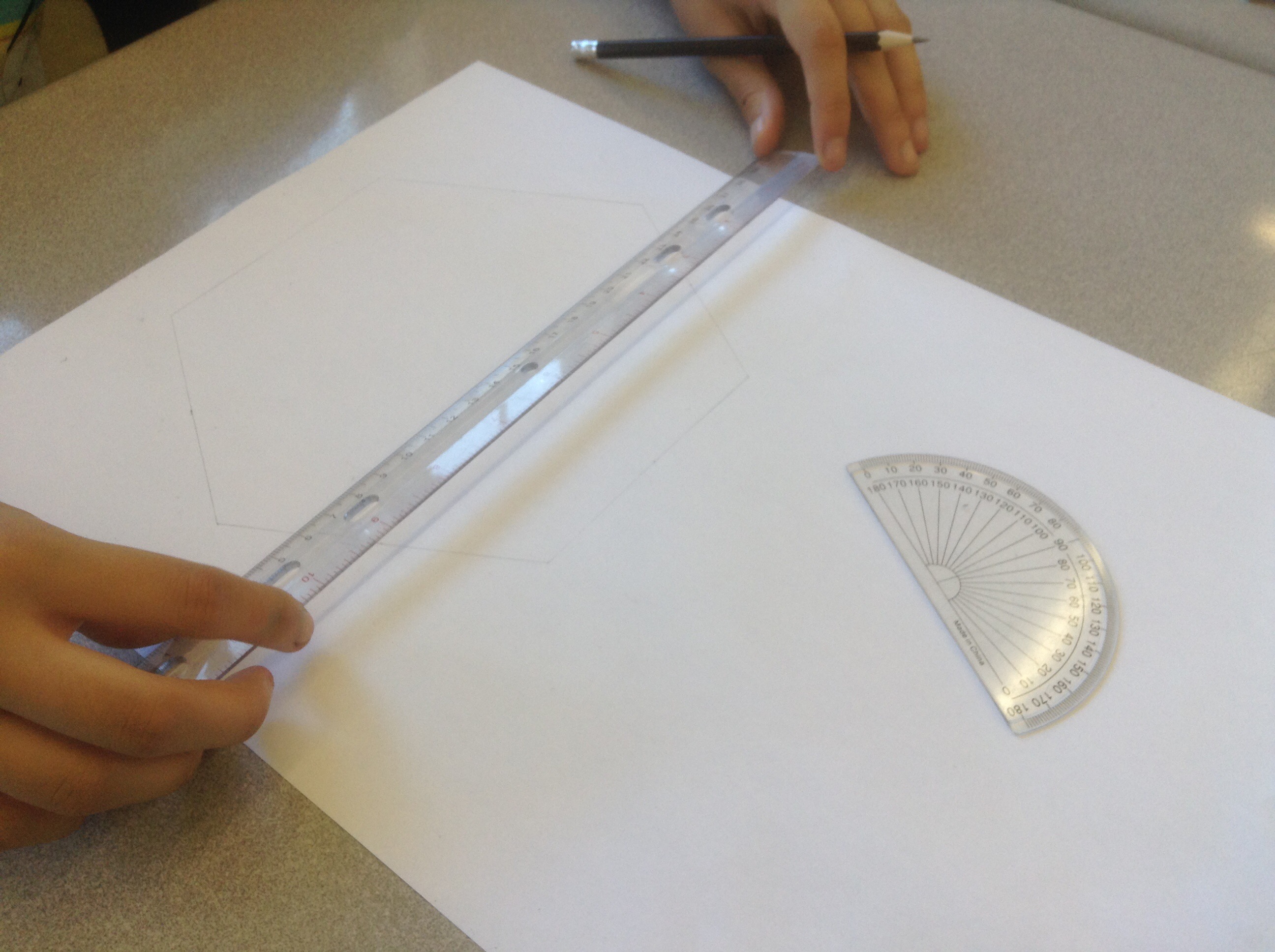 some creative folks used a compas to help them instead of measuring 120 degrees with a protractor.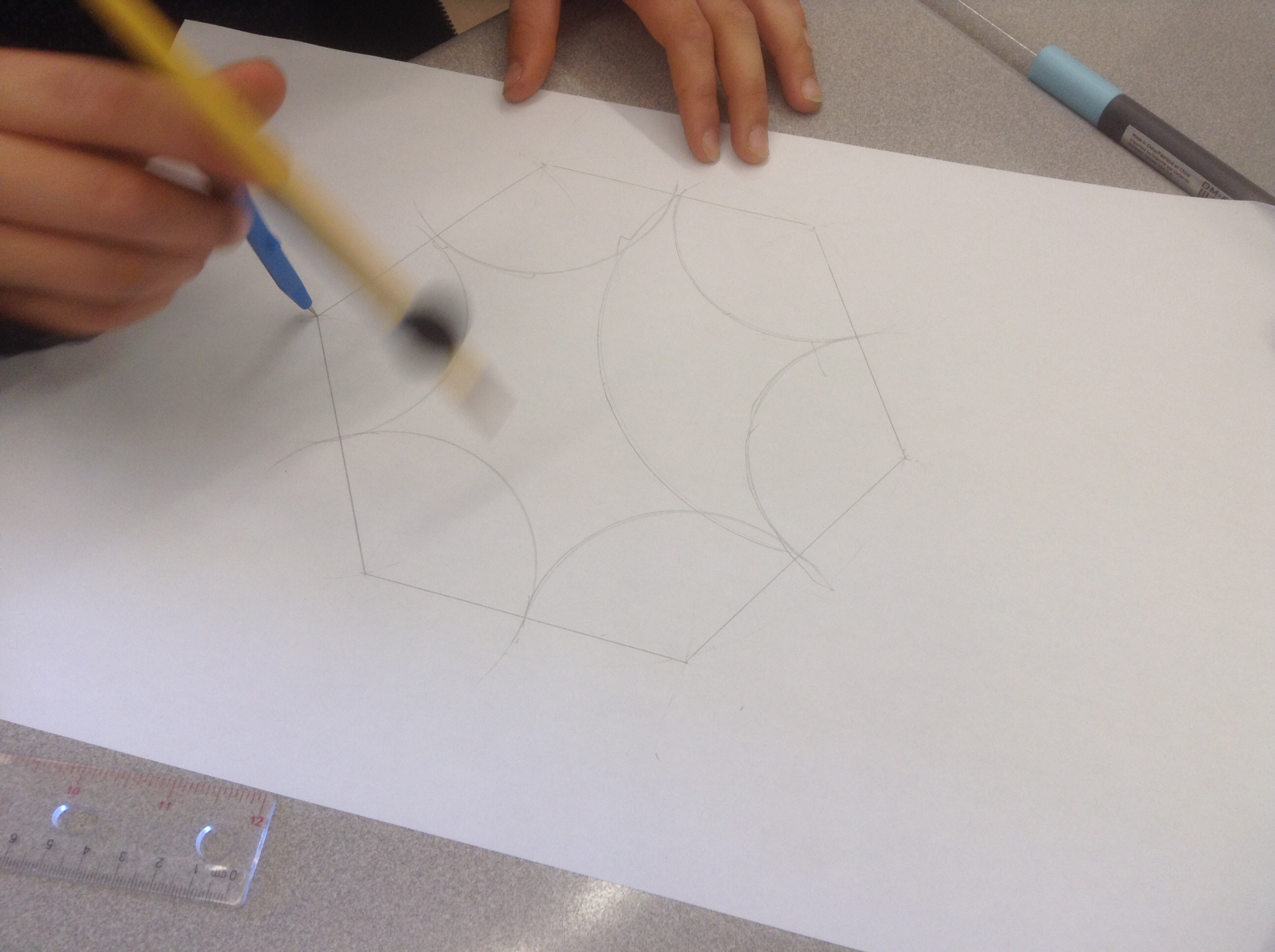
Homework is to finish your hexagon.
Working towards Pythagorean theorem
We took our knowledge of square side length and area and converted it into a tool for working with right angle triangles.

We used our set of squares (1×1 to 26×26) and talked about how to calculate the area (insides). We talked about side x side and also side “to the power of two” or side squared.
We worked backwards too, determining the side length for a given area, which led to the concept of square root being introduced/revisited.
Next we used the squares to show patterns or pictures.
Heres a star

This pattern is cool too
Here’s a happy face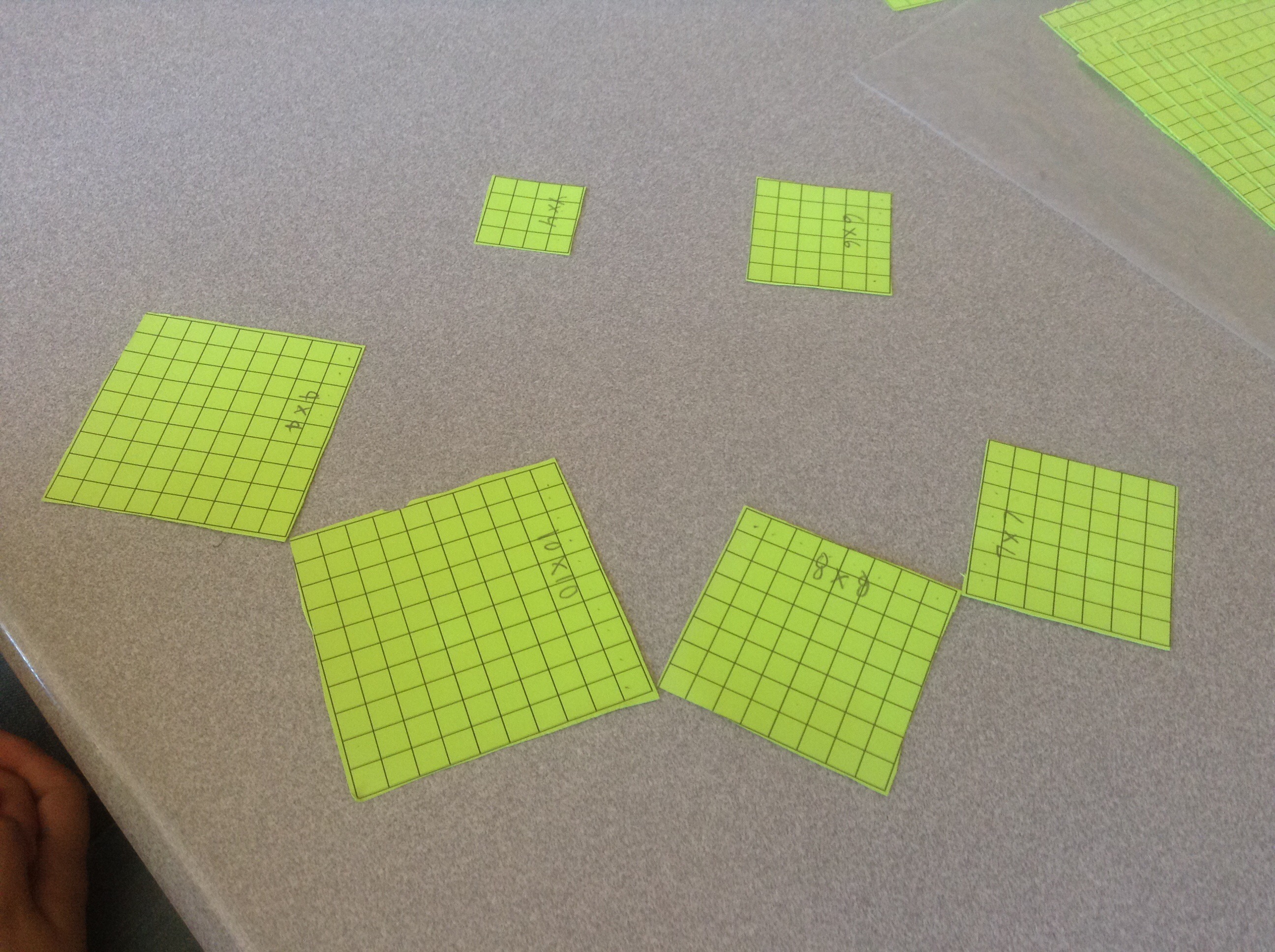
And this one, we decided that it is not a square since the side lengths are different.
We next used the squares to outline triangles, attempting to find the perfect right angle triangle.
We watched this video to help reinforce ideas of the pythagorean theorem.
Circles
Today we explored circles. After reading “Sir Cumference and the first round table” and discussing the characters of Sir Cumference, Lady Di of Ameter, and their son Radius, we measured the radius and diameter of several circles. We put the data into a table of values, and then did our first scatter plot of diameter vs radius. We noticed that the points all lined up, showing a linear relationship.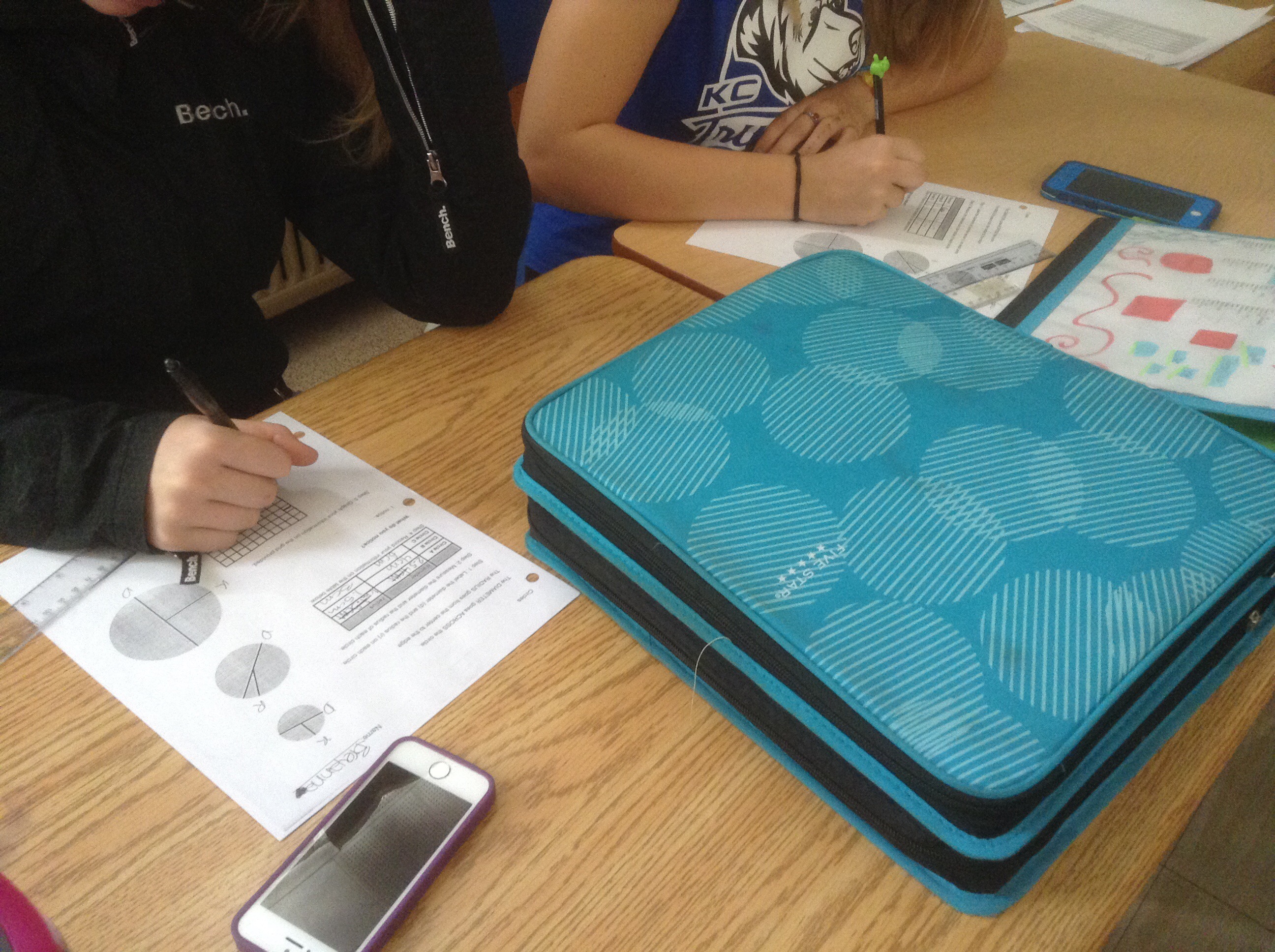 The next investigation we did involved licorice laces. We measured the length, and then made tte licorice into a circle and measured the diameter.
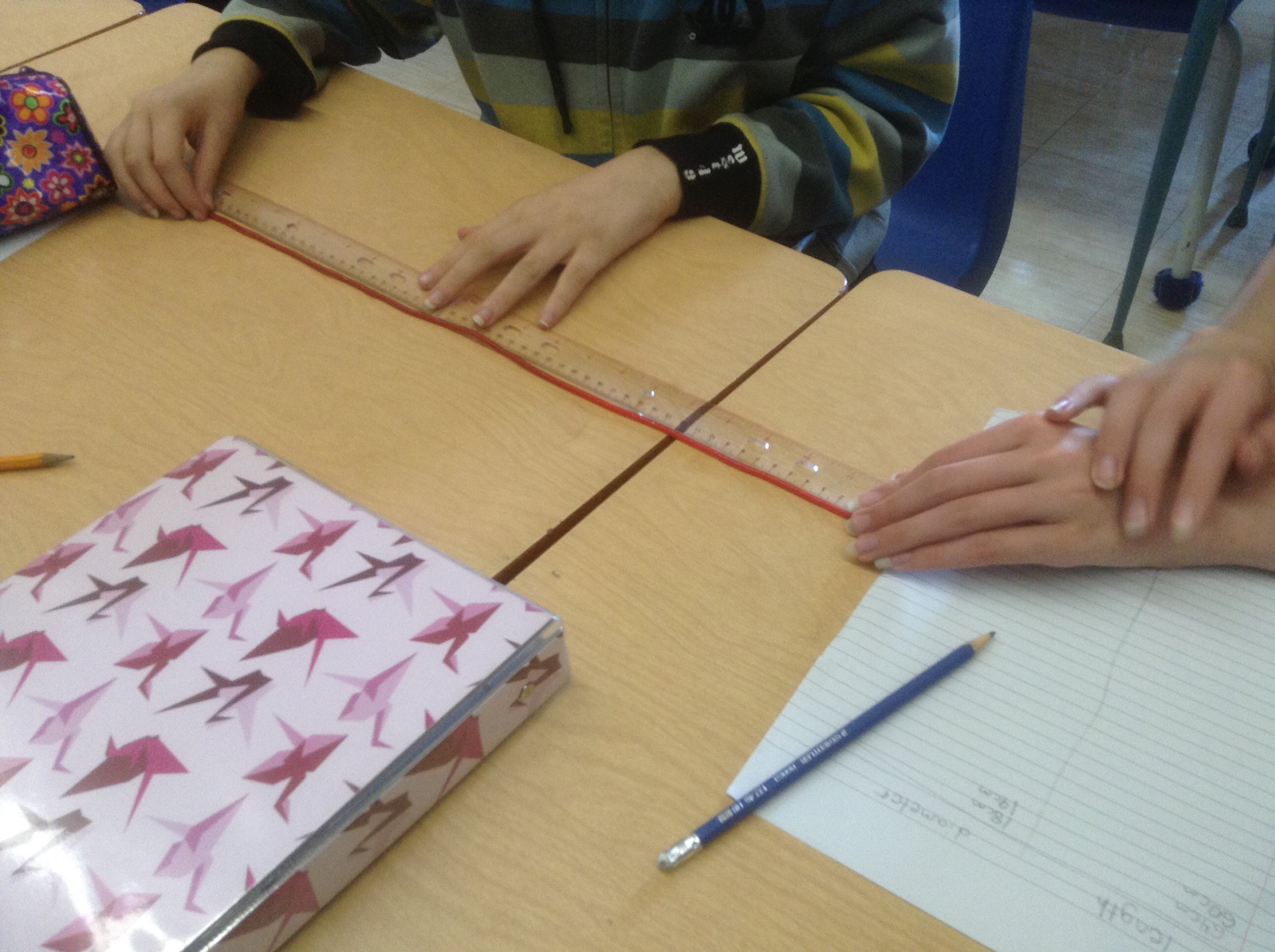
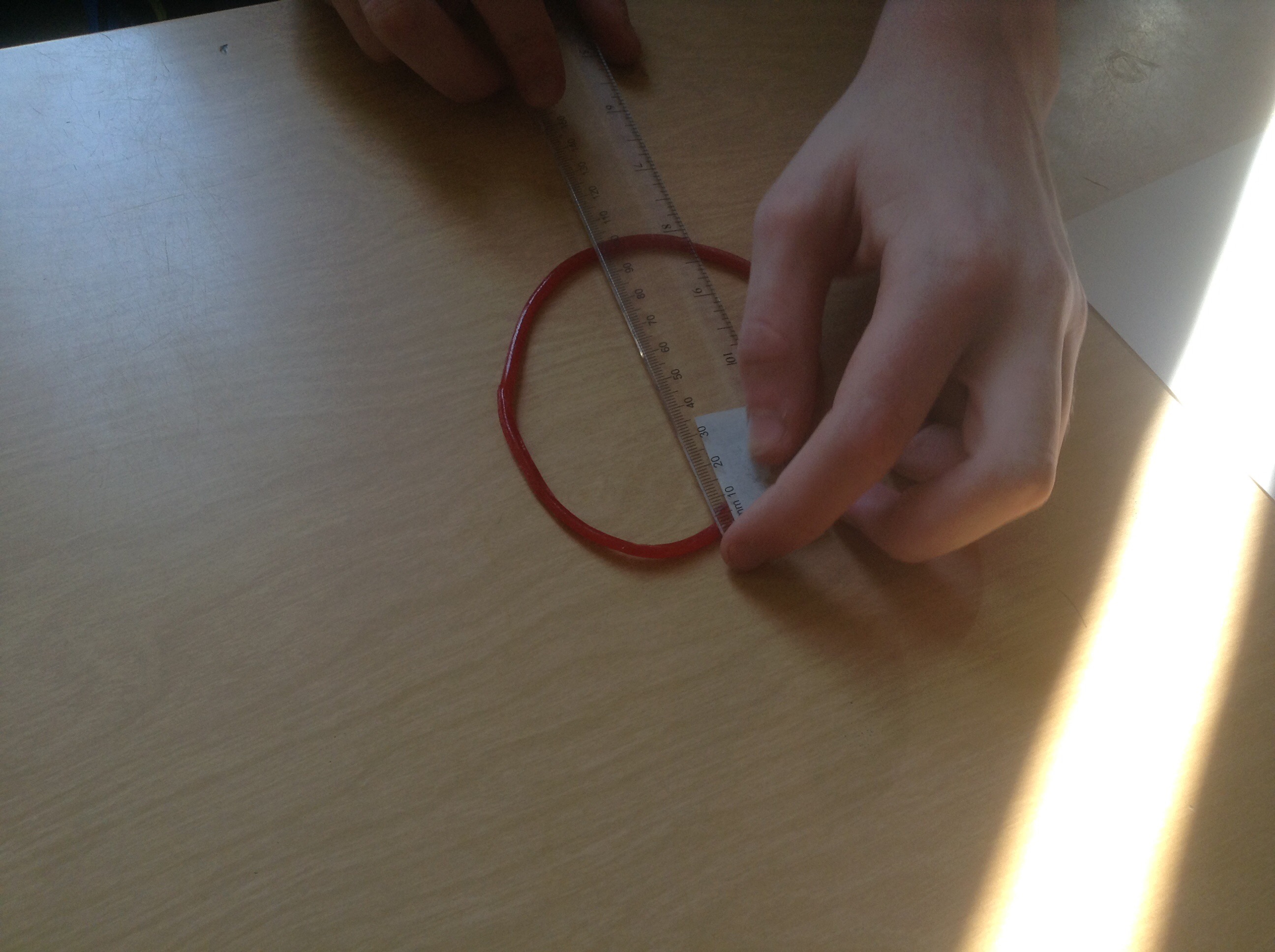
We ate some licorice and repeated the process 5 times.
We put our data in a table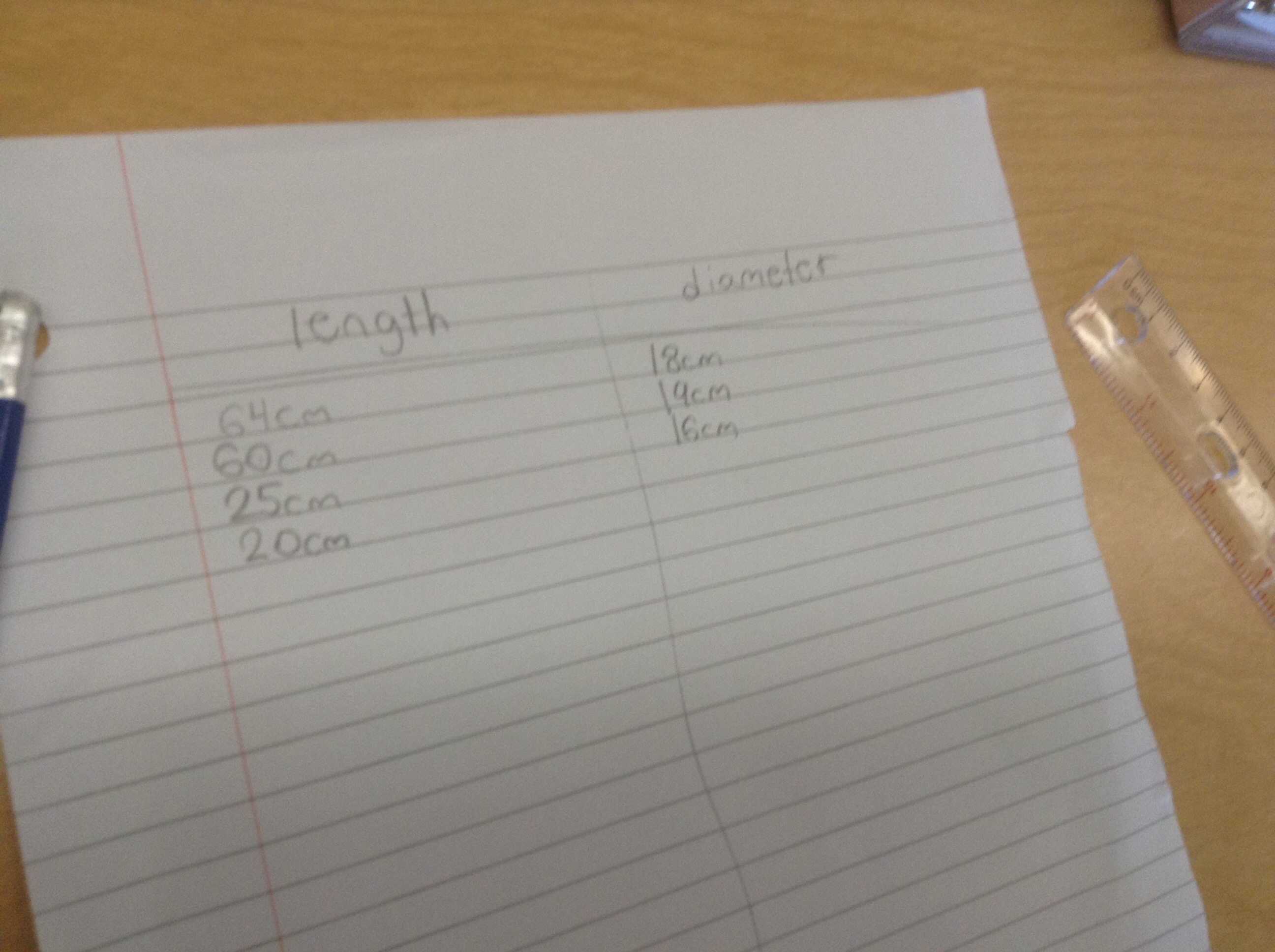
Then graphed it and noticed another linear trend.
Math videos
Here is slope dude! Grade 10s reviewed some concepts of slope today.
We also took a minute to appreciate the video made by a former student of mine that discusses mx+b 🙂

Music is a great way to help learn concepts, and also showcase creativity.
Summarizing what experts do
We summarized our lists from yesterday.
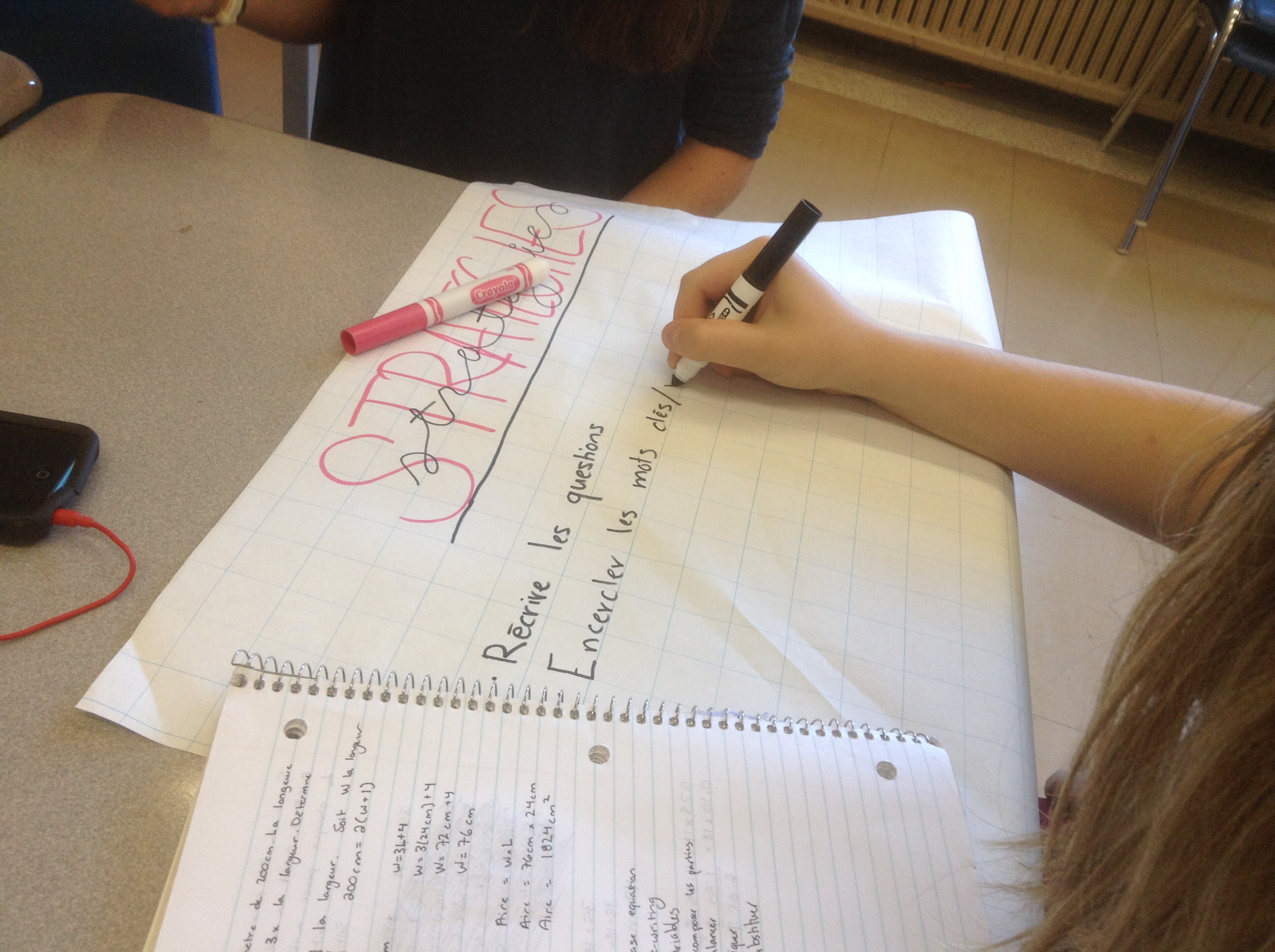 Next we cut our lists into strips to sort.

Classifying all the points took a group effort.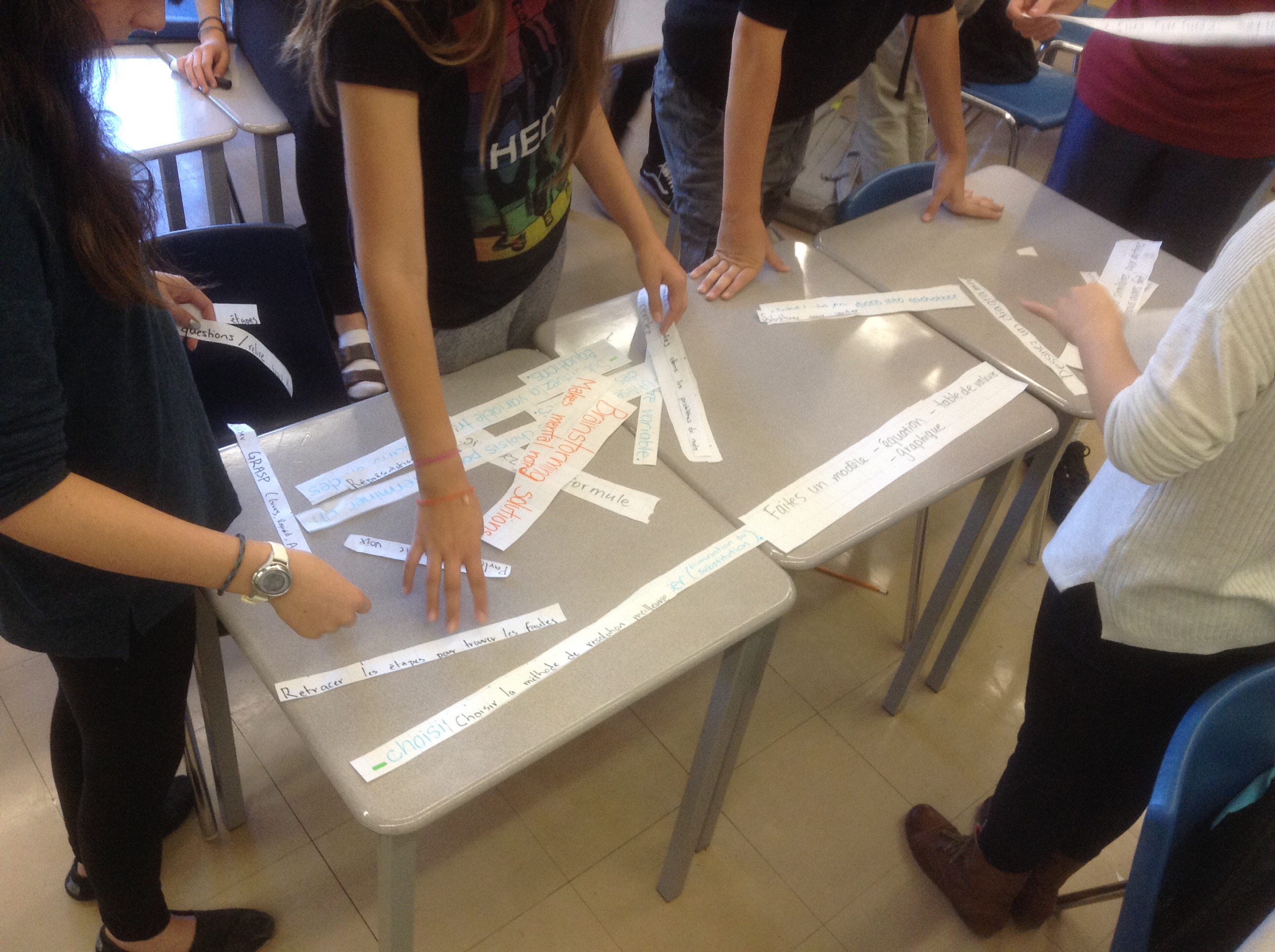
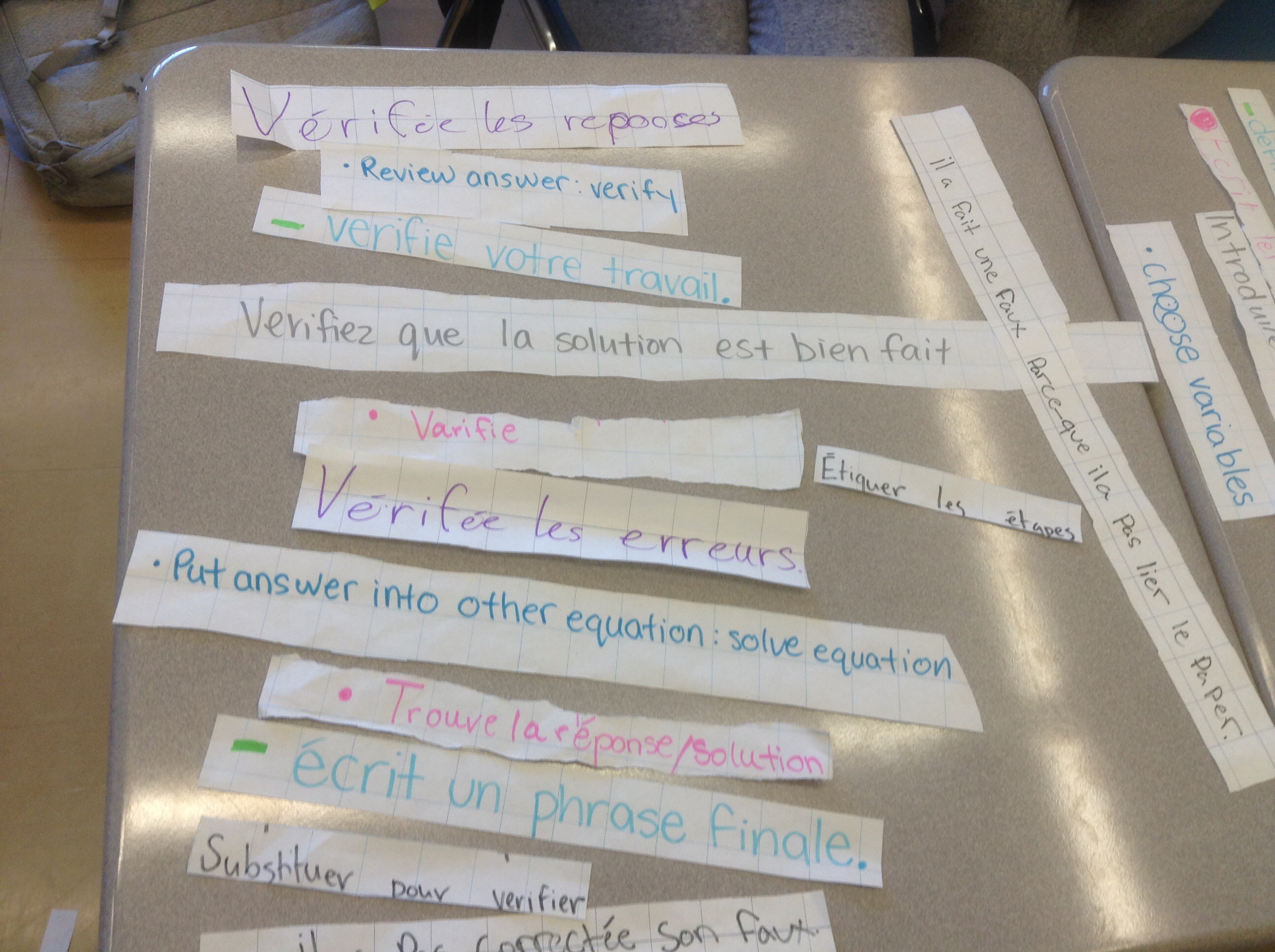
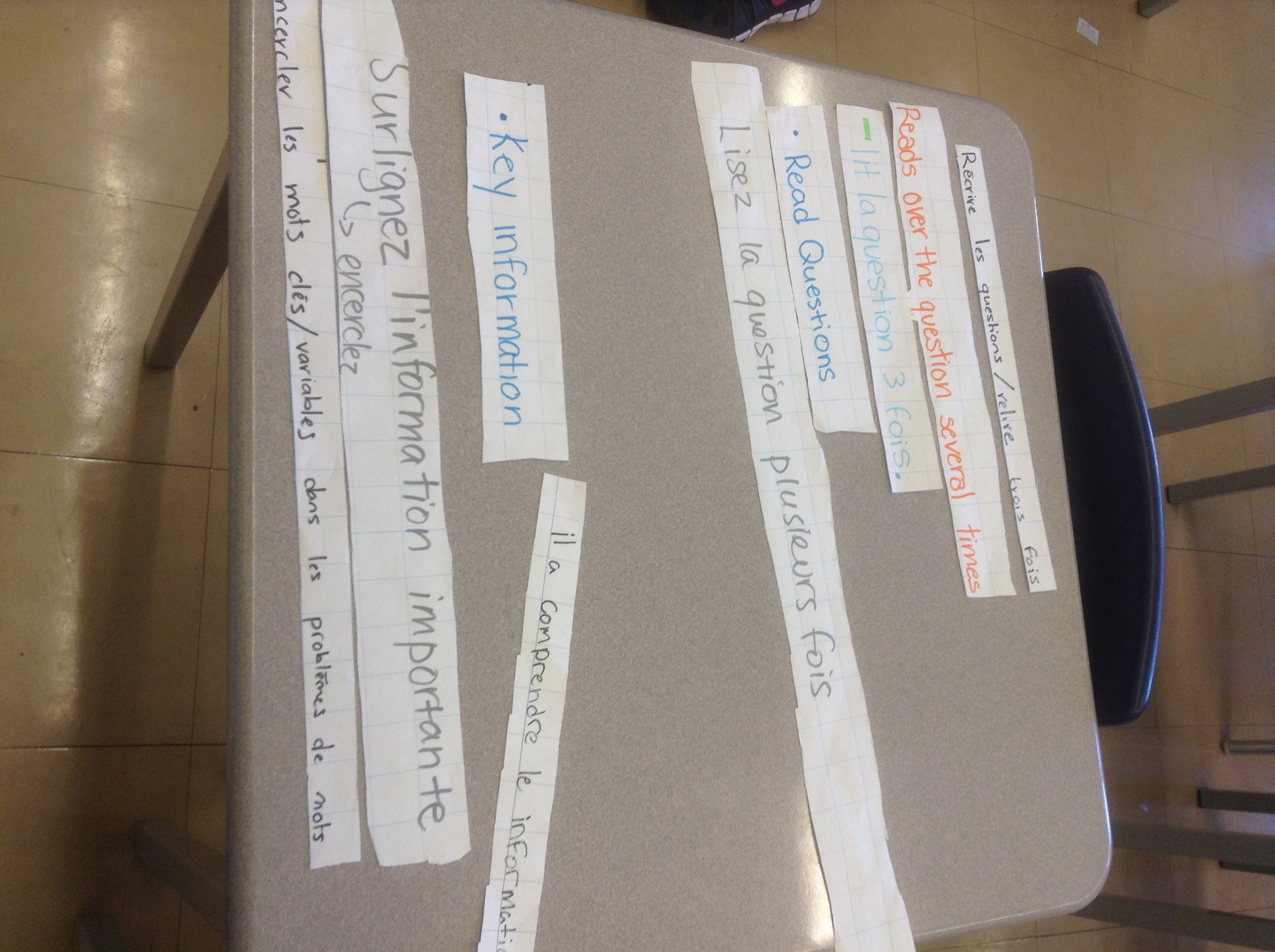
There were many common themes! Next step is to put up an anchor chart with our criteria. As we do more problem solving, we will add more strategies that we come across.
Designing a playground
 We are using our shapes to design awesome playgrounds. We are calculating how much space is used up and how much space is available for kids to run around.
What do good problem solvers do?
Today we got into groups and had one “expert” show the rest of the group how they solved a problem posed to the entire class. They made visible all of their thinking, and spoke their thoughts and strategies, explaining why they did what they did. The observers had to write down what they noticed the experts doing. Every minute we paused to allow observers time to write points.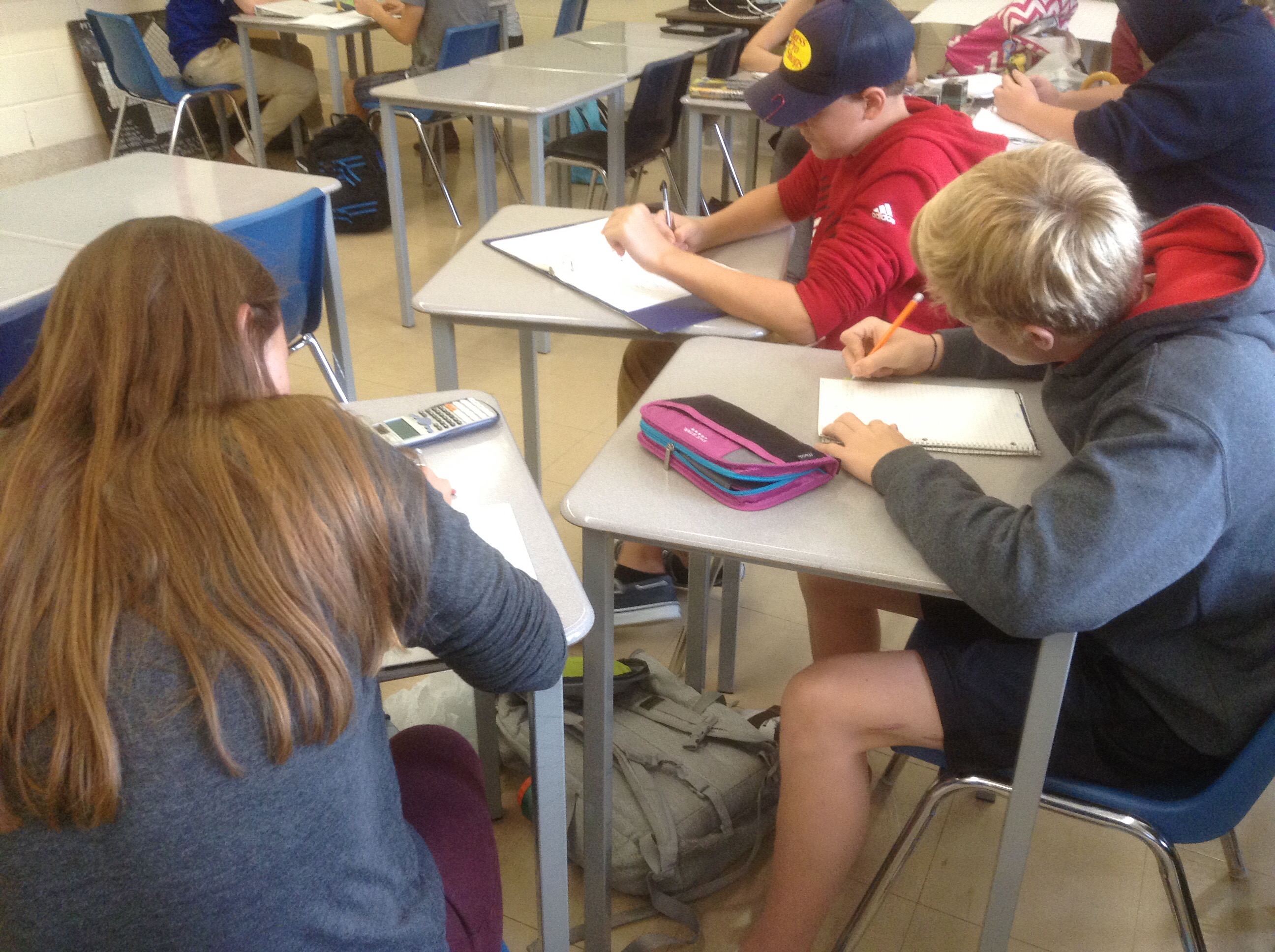
We switched experts and we solved new problems involving linear systems. We will collate our observed data tomorrow to come up with a master list of things that good problem solvers do.
 Ms. Bearse's Site