Savvy Shopper
What’s the best deal for buying the following items.
Toilet paper….consider price per roll, and also how many sheets there are per roll? What are the sizes of sheets? How many ply? There’s lots to consider!

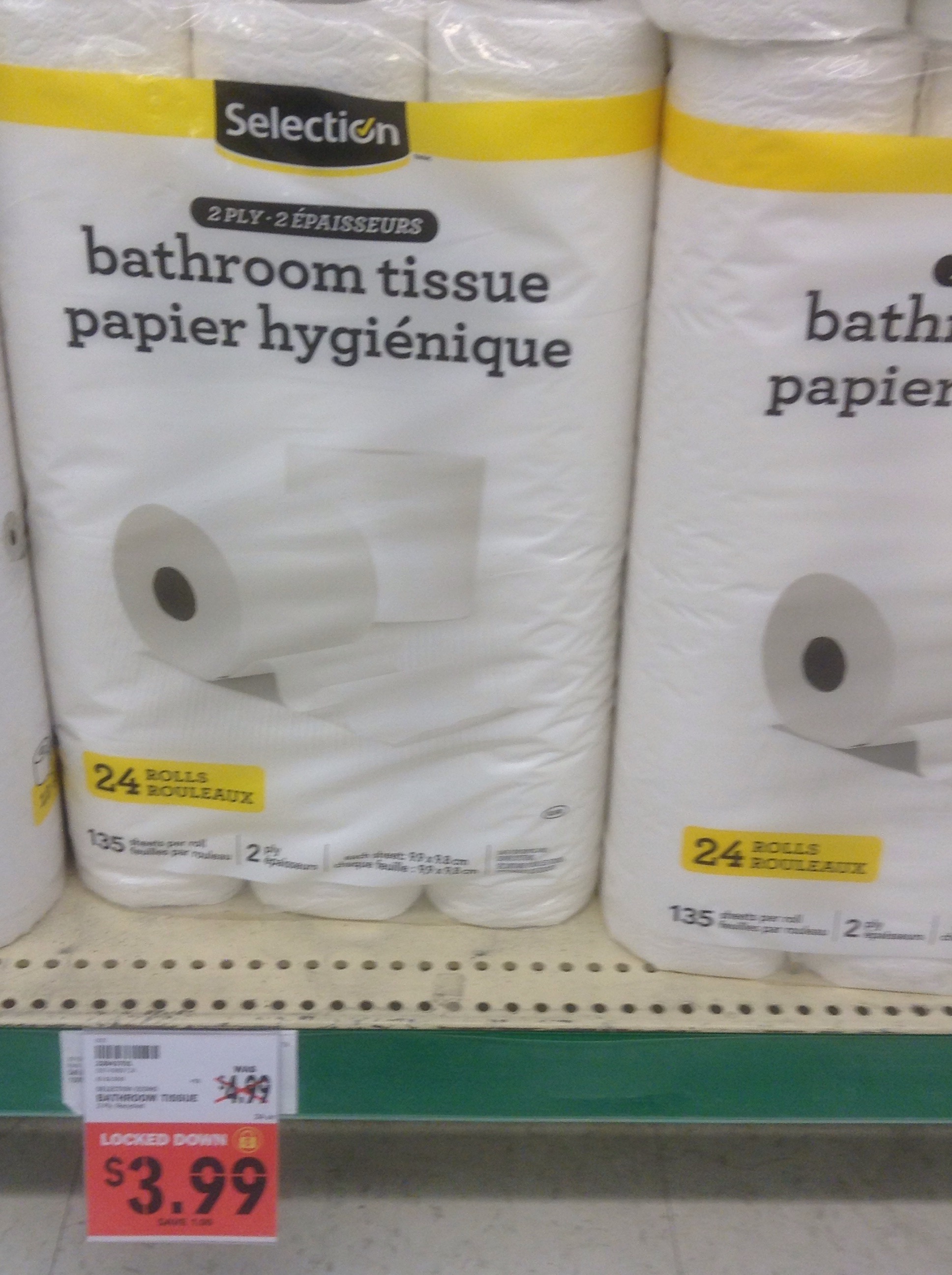
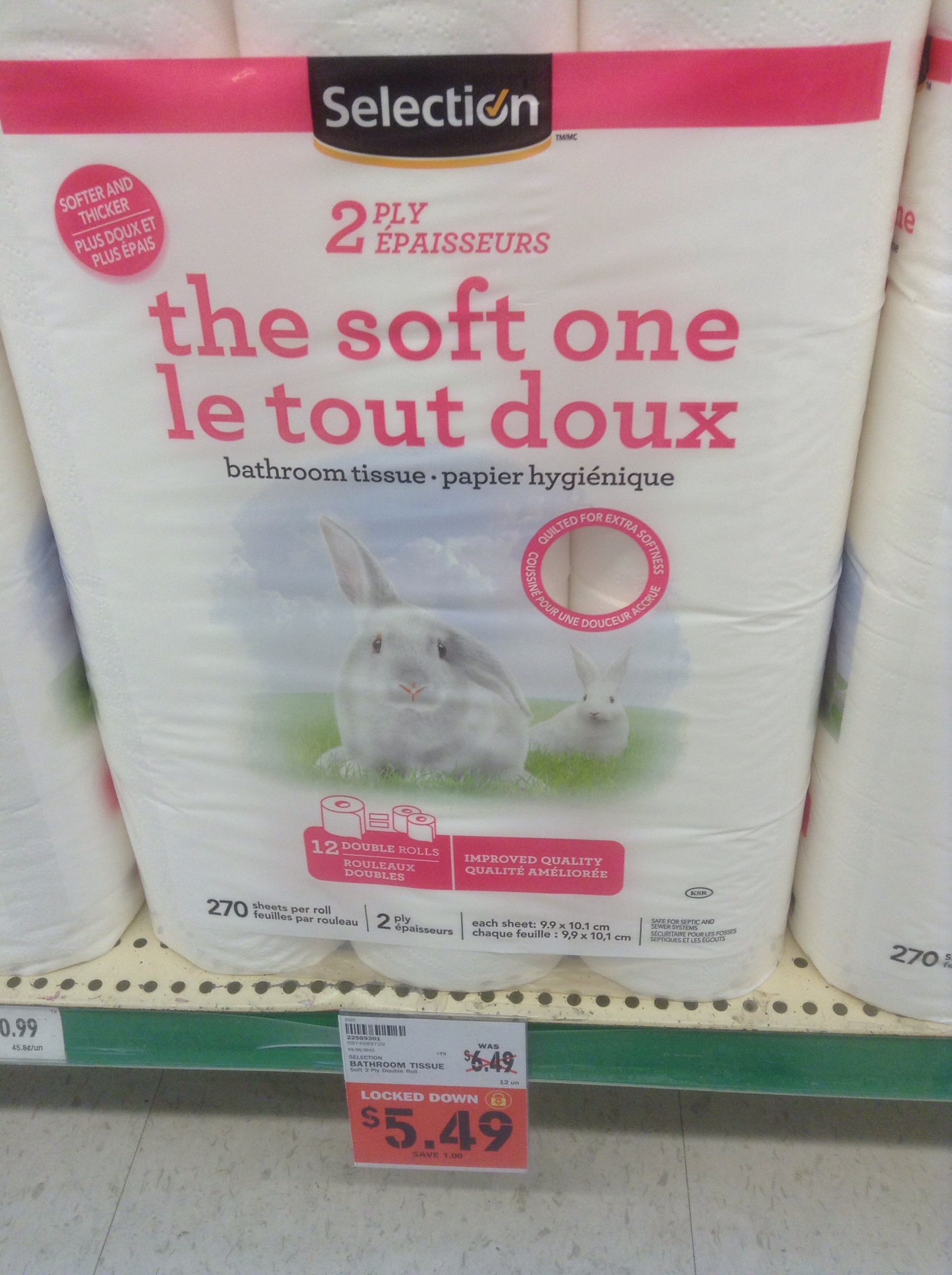

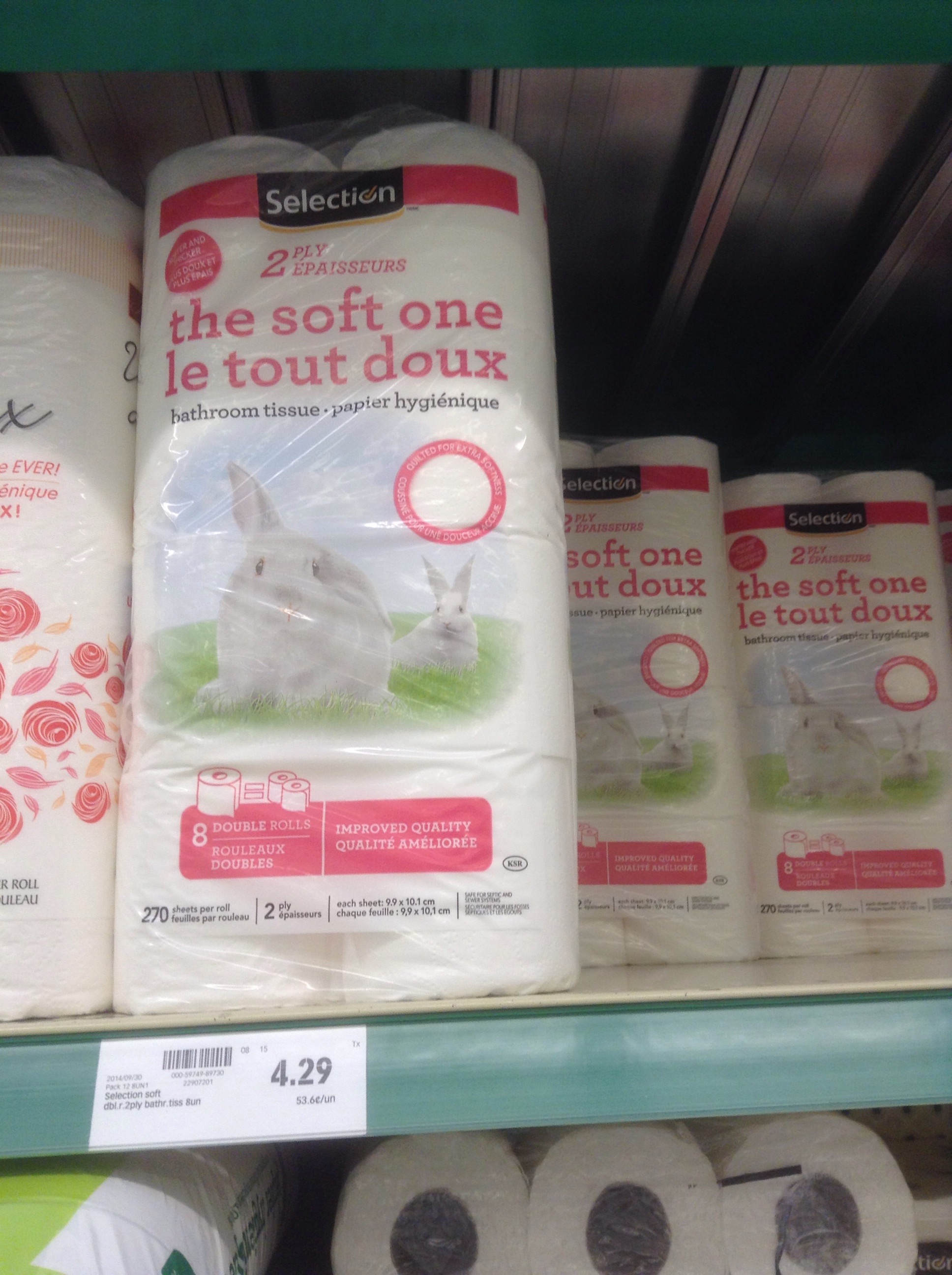
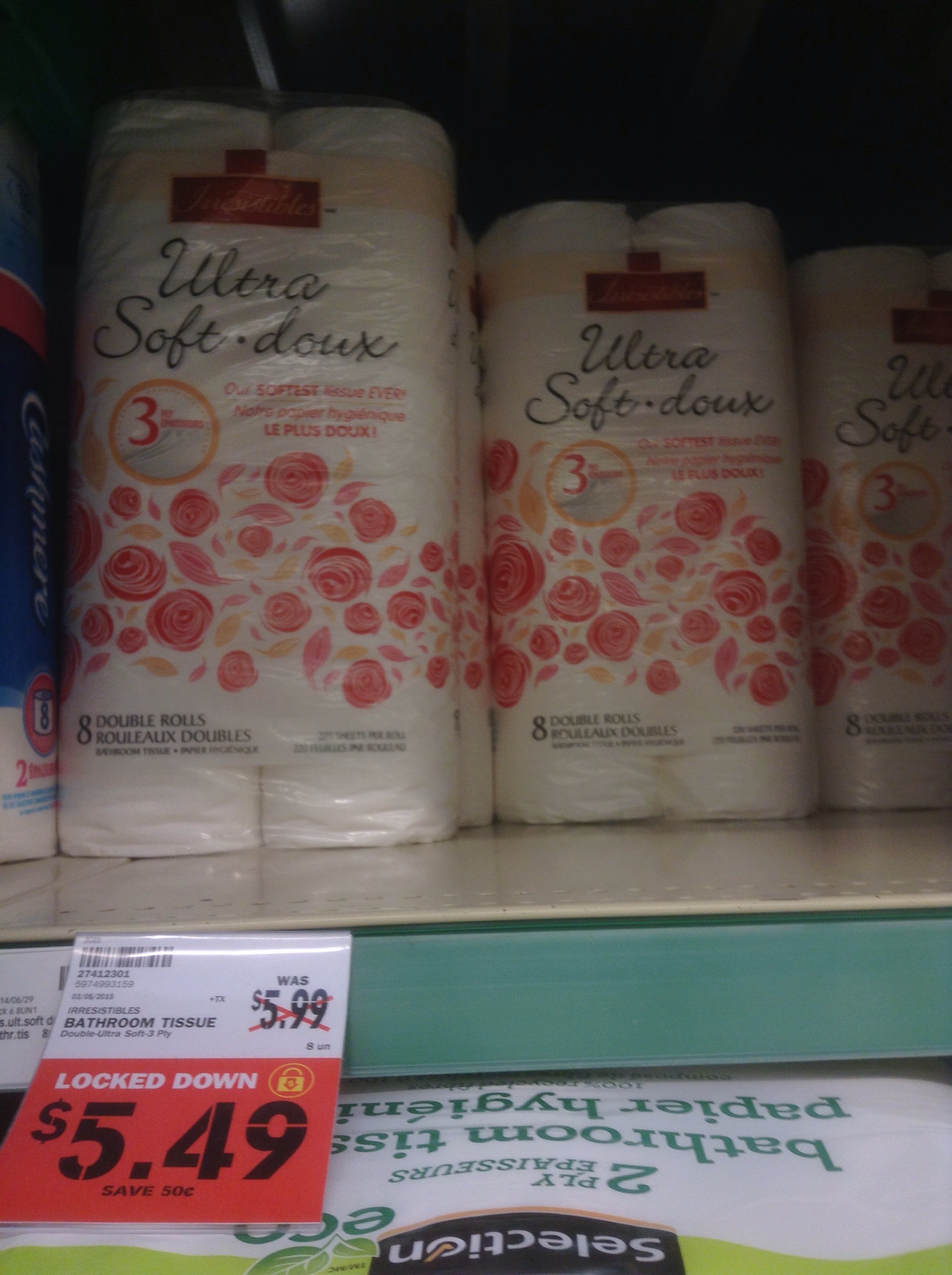
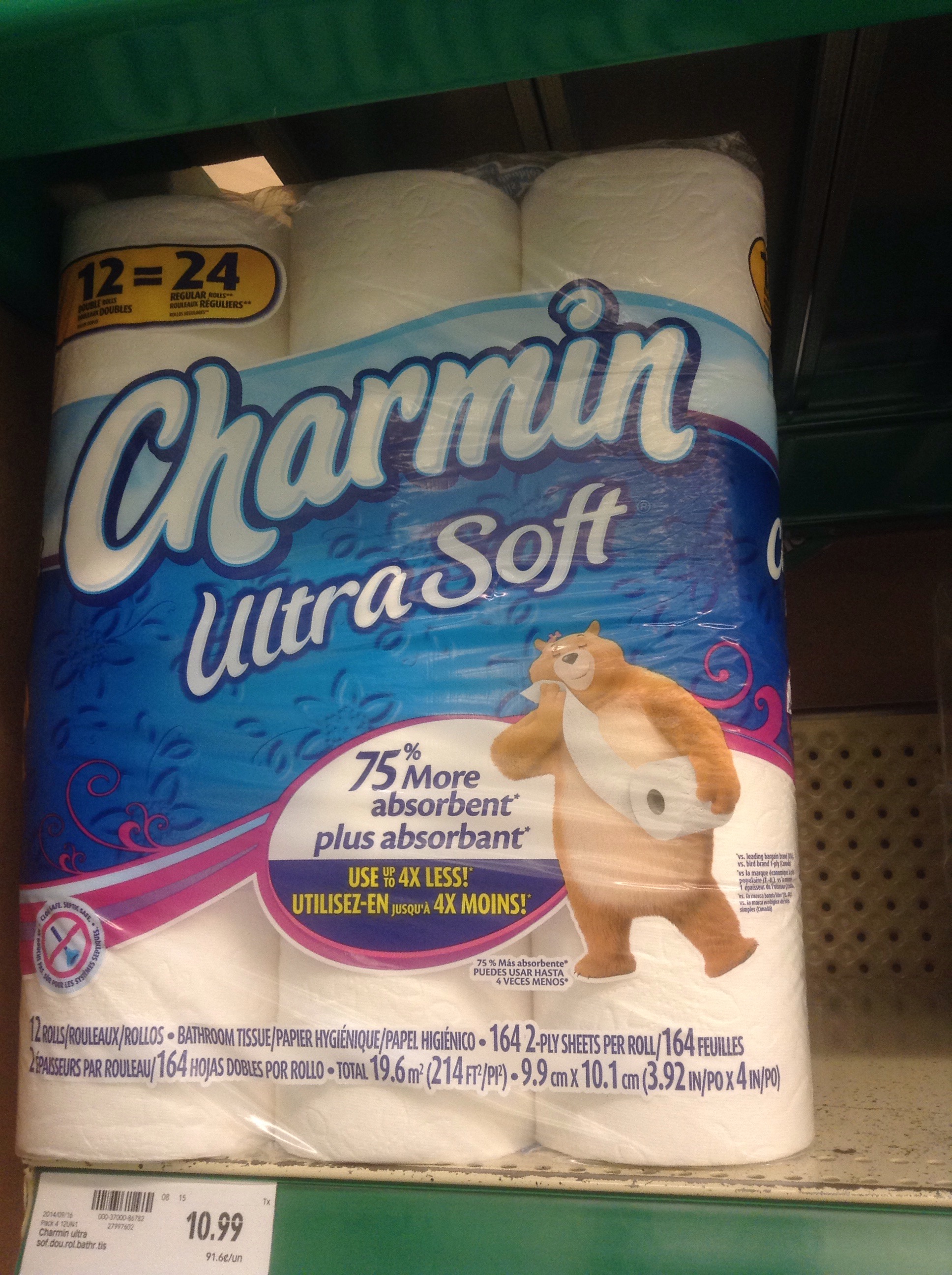

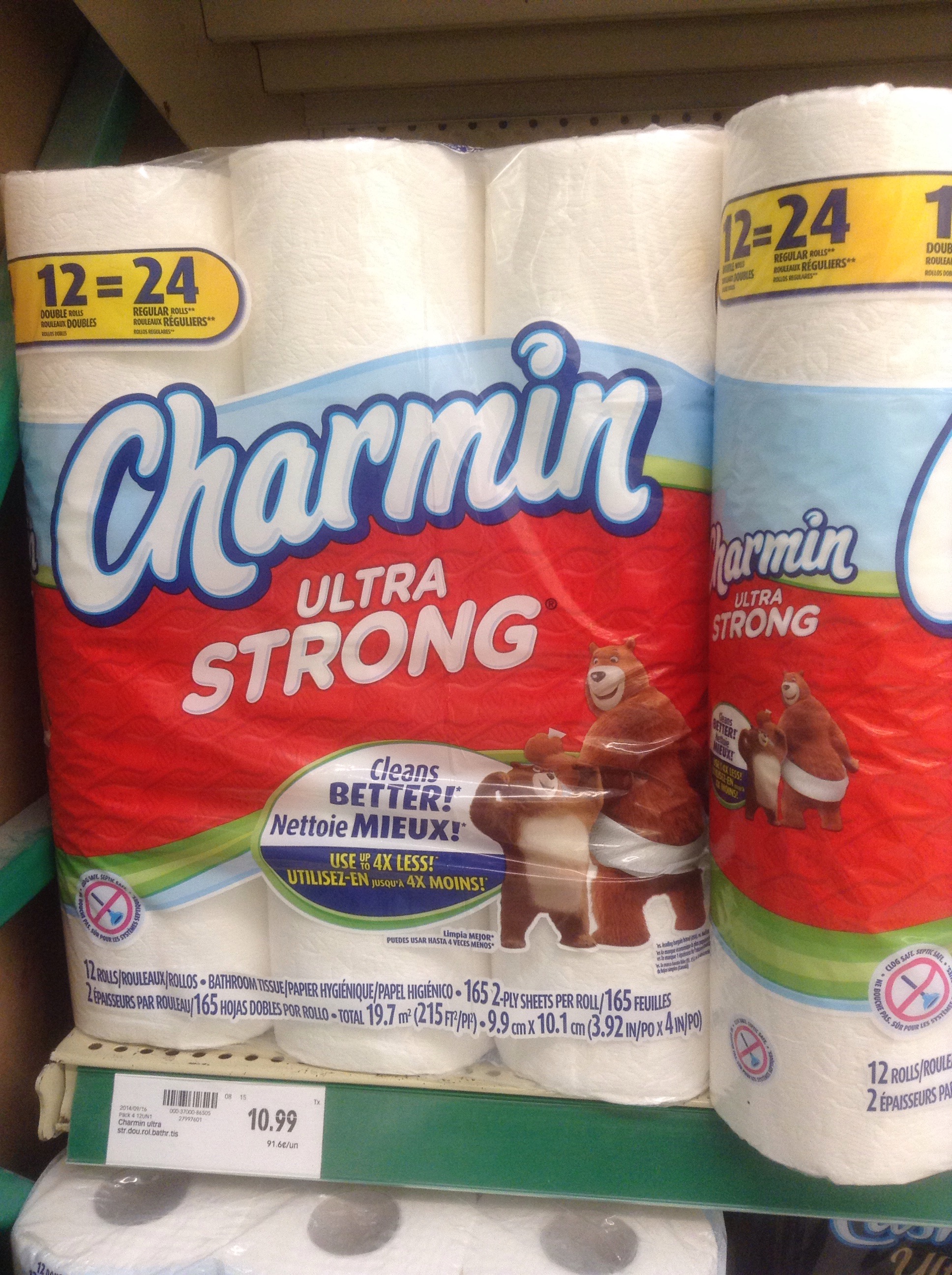

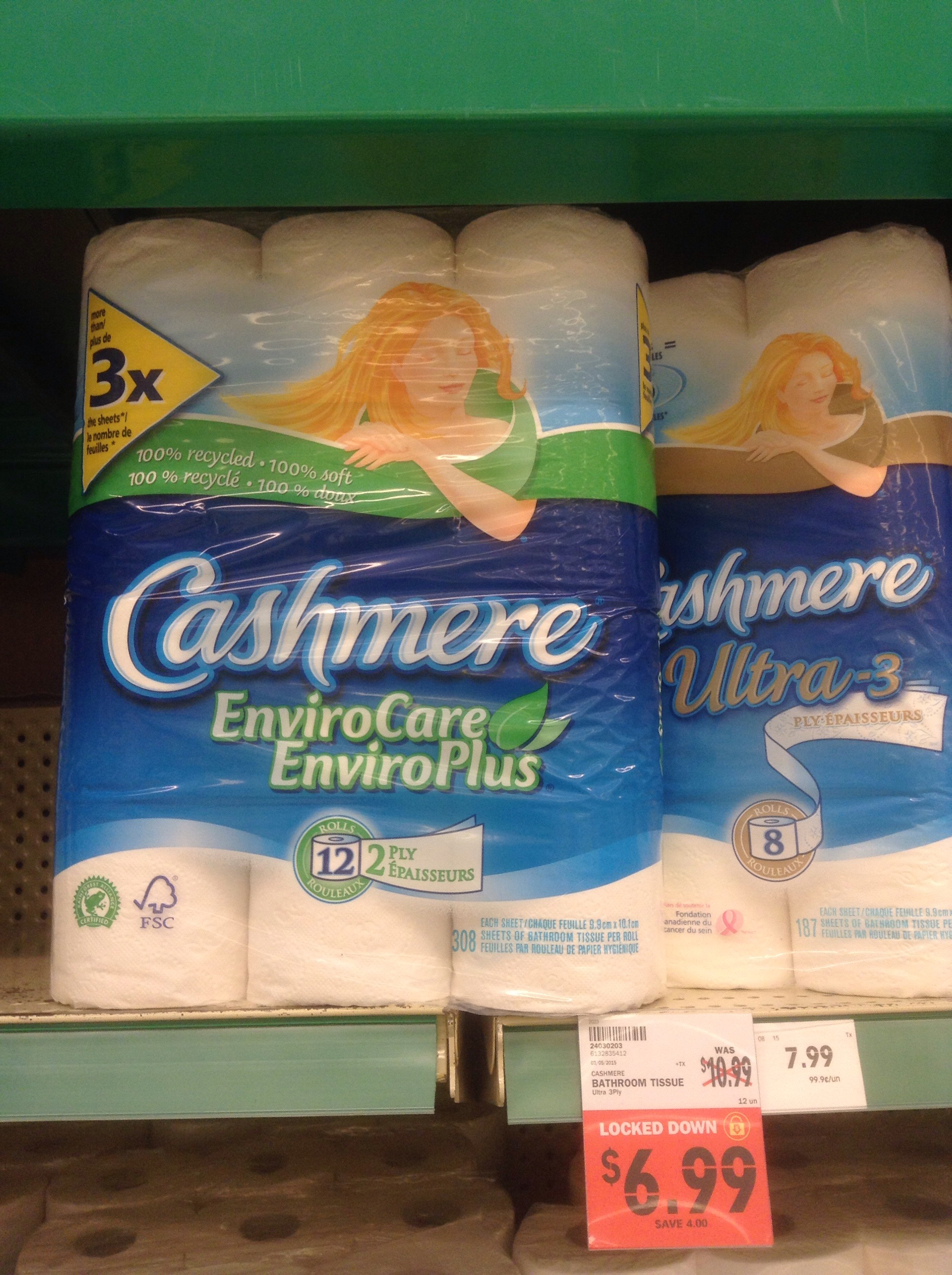
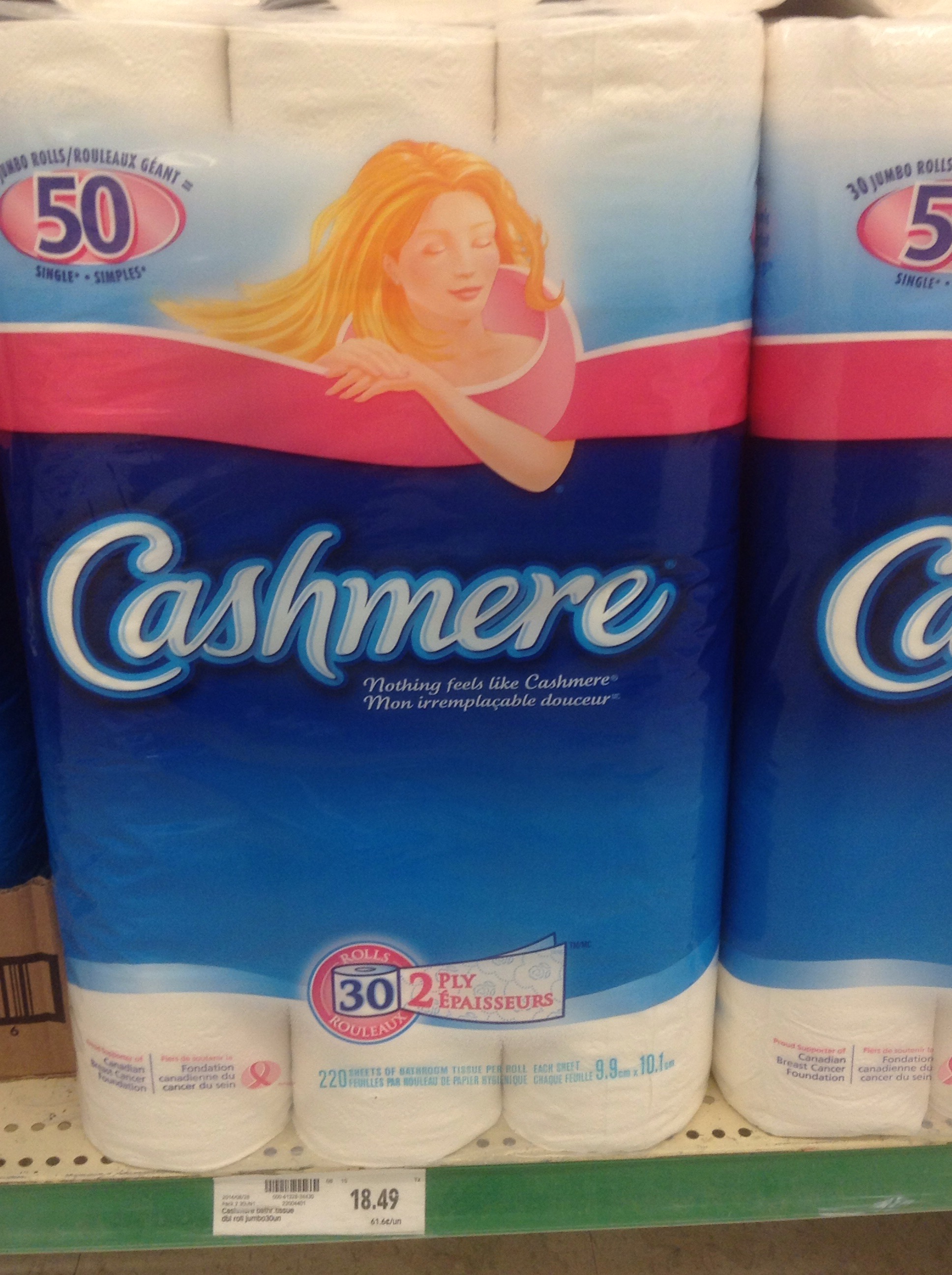

Is buying in bulk the best?
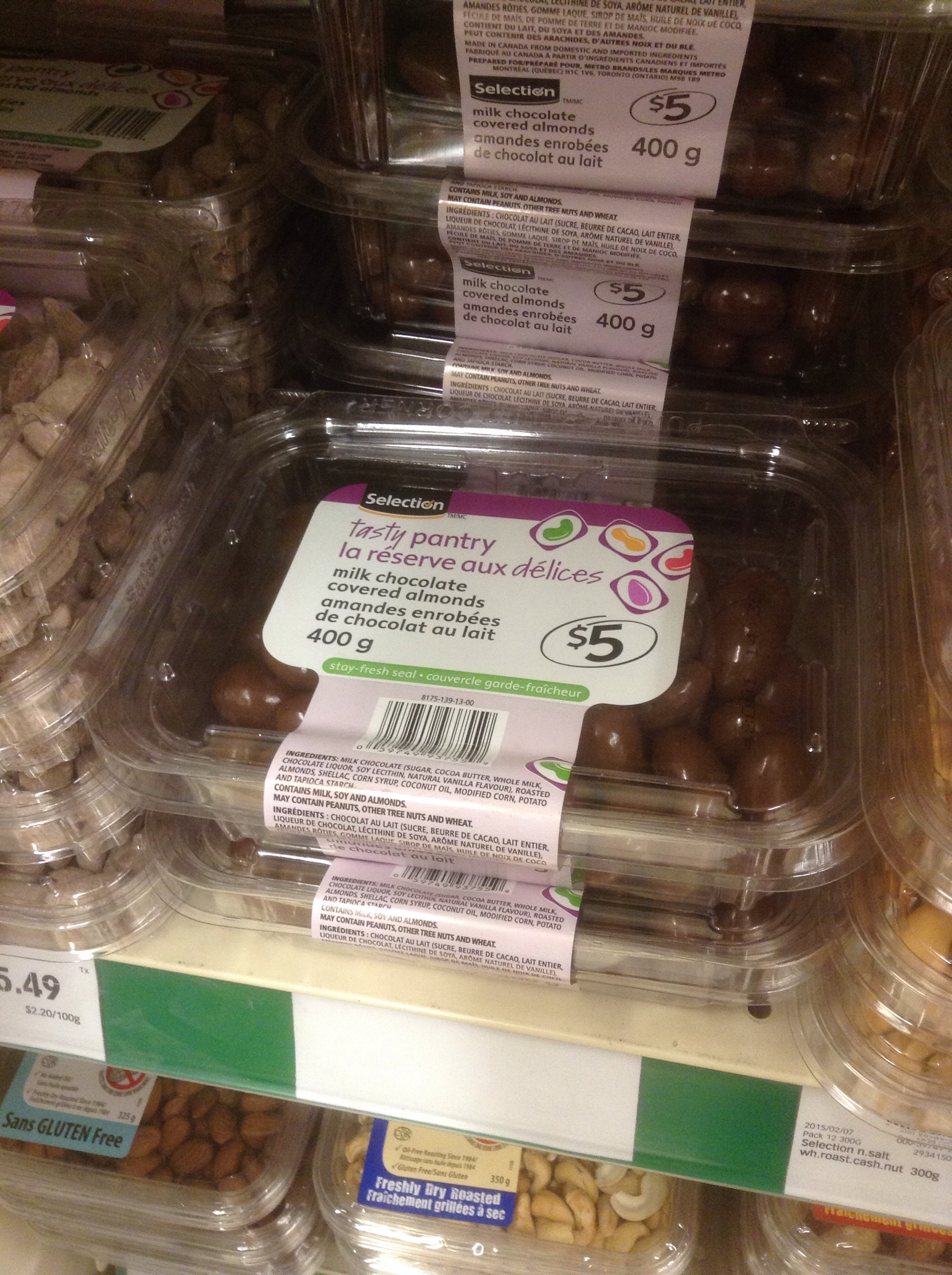
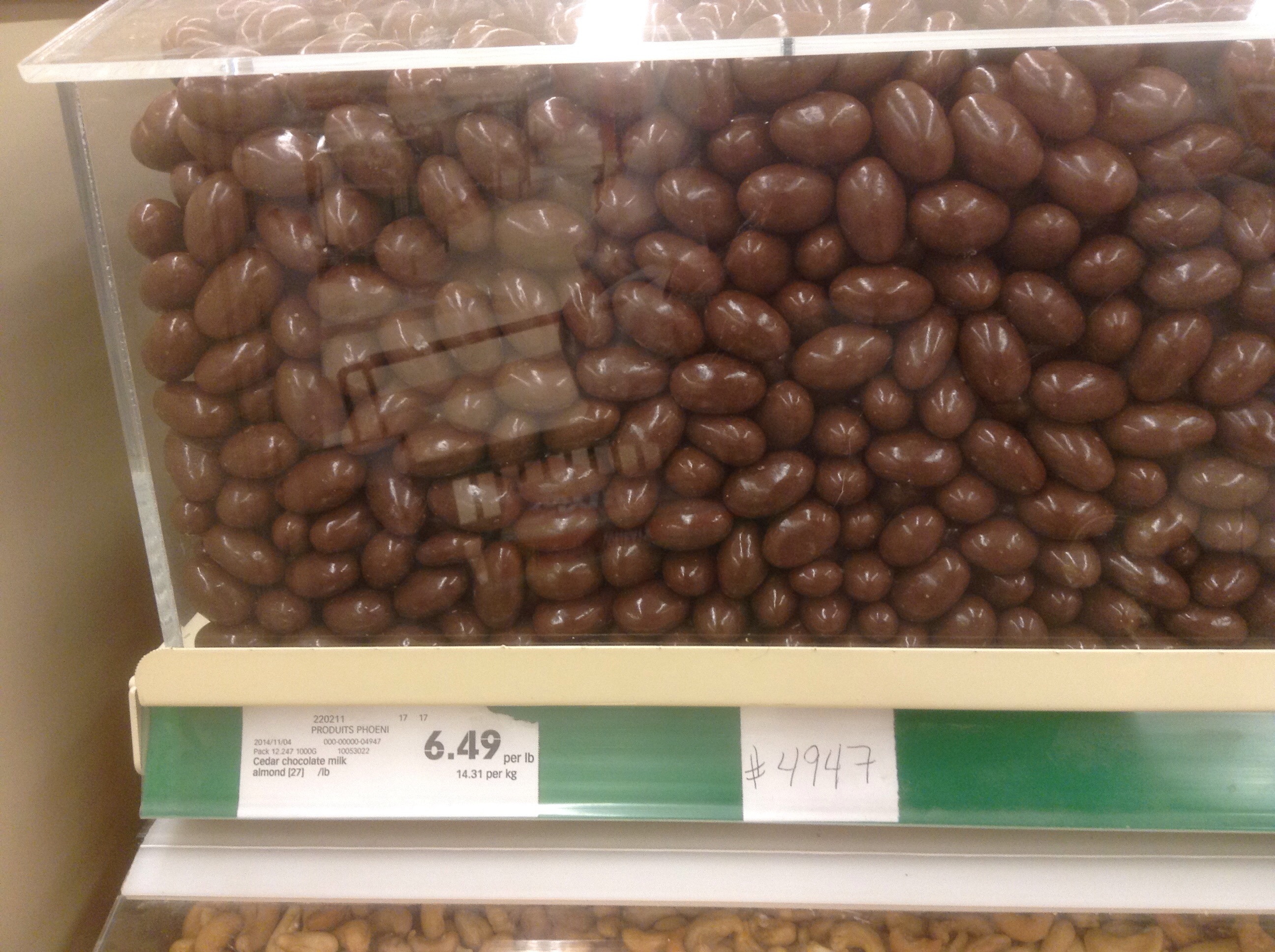
Chocolate almonds
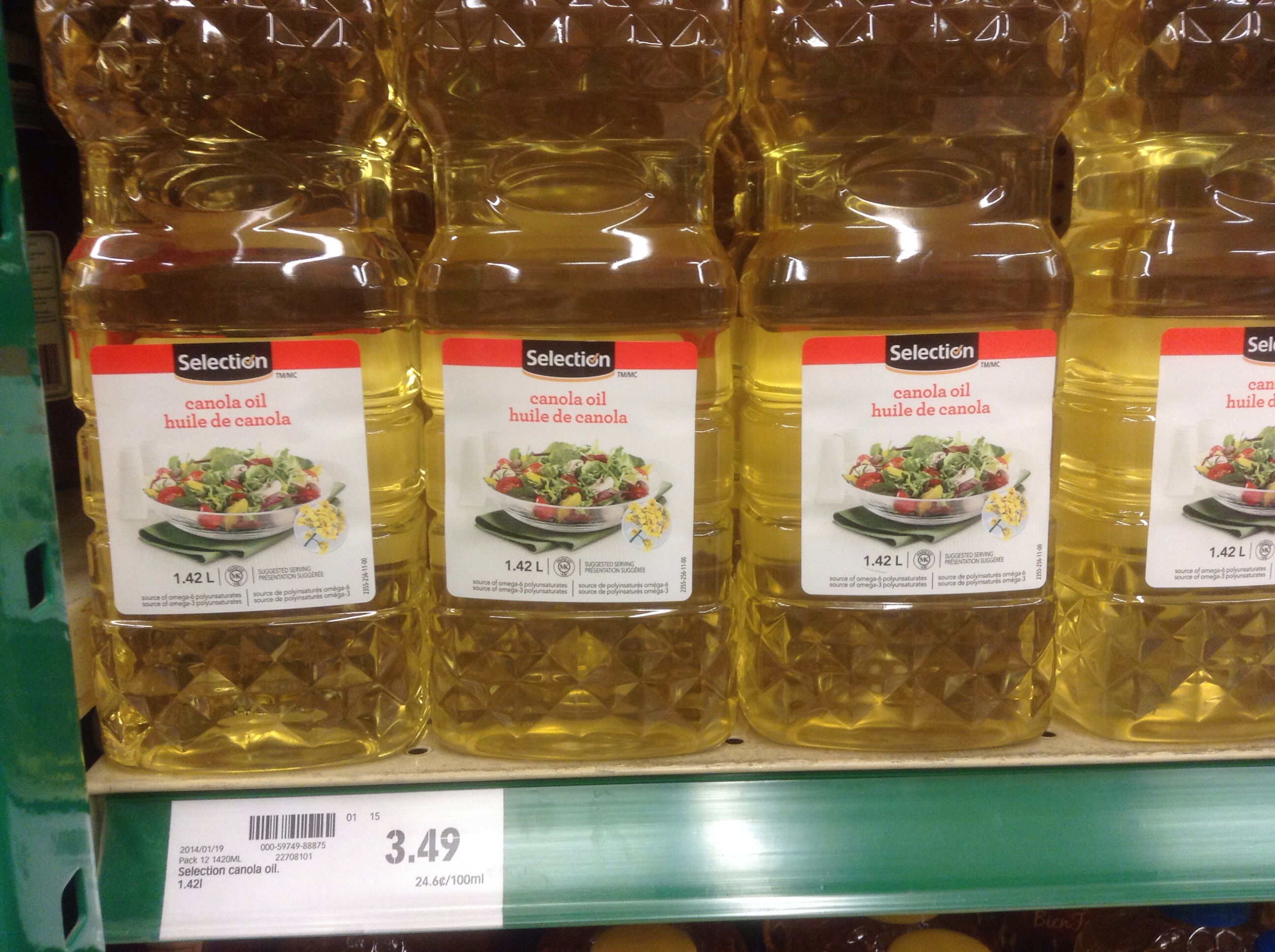
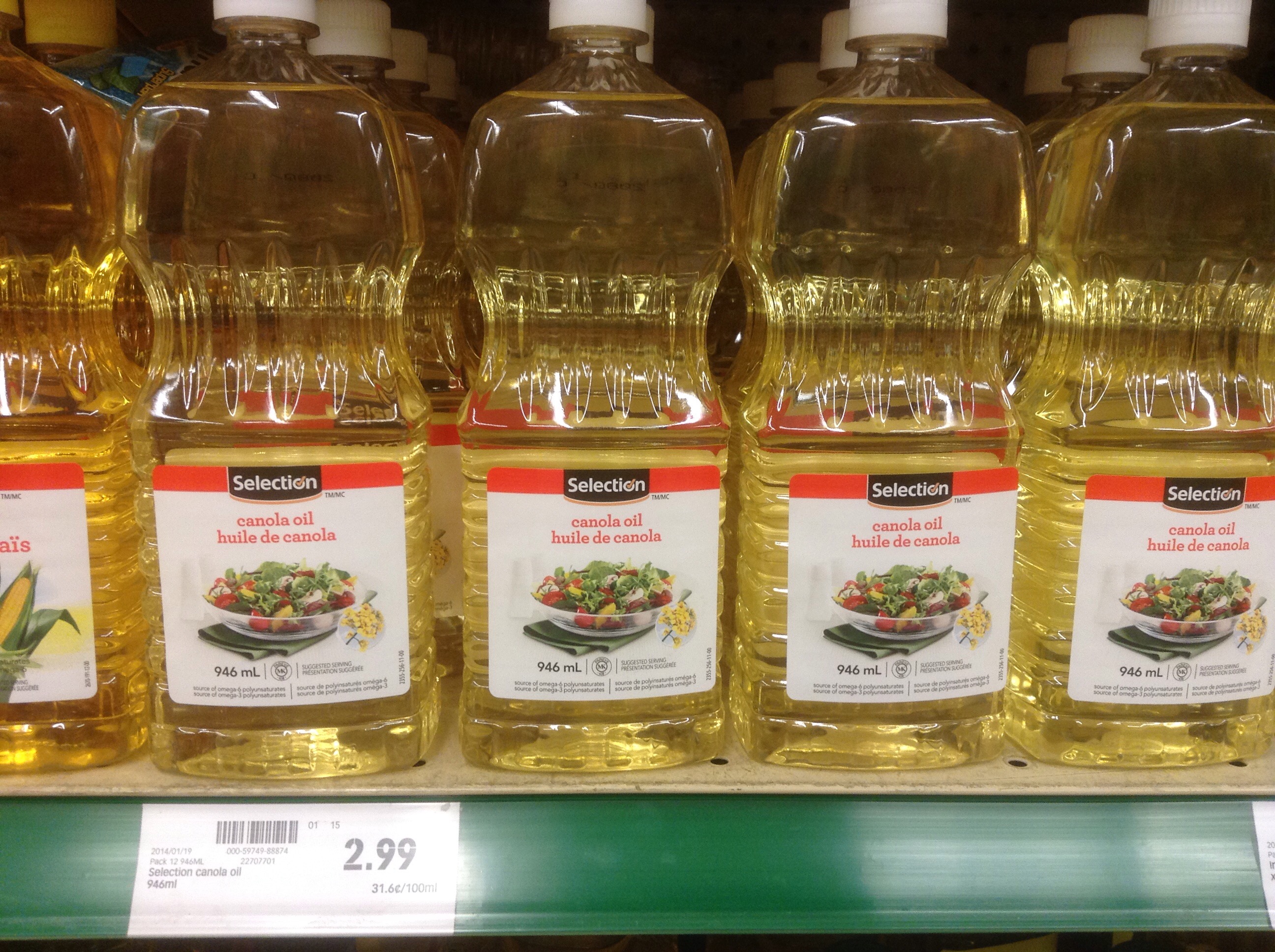
Cooking oil

Granola bars?
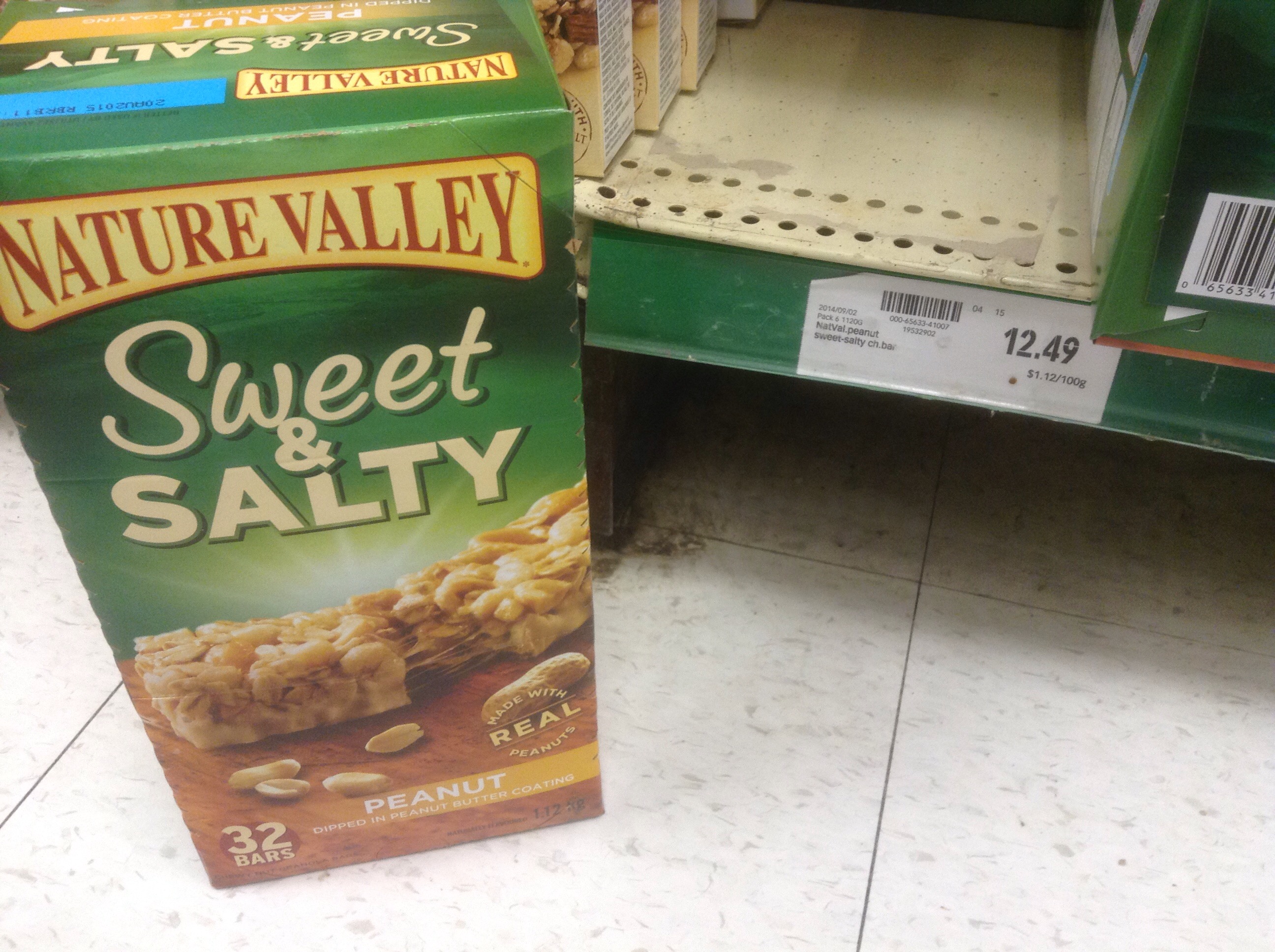
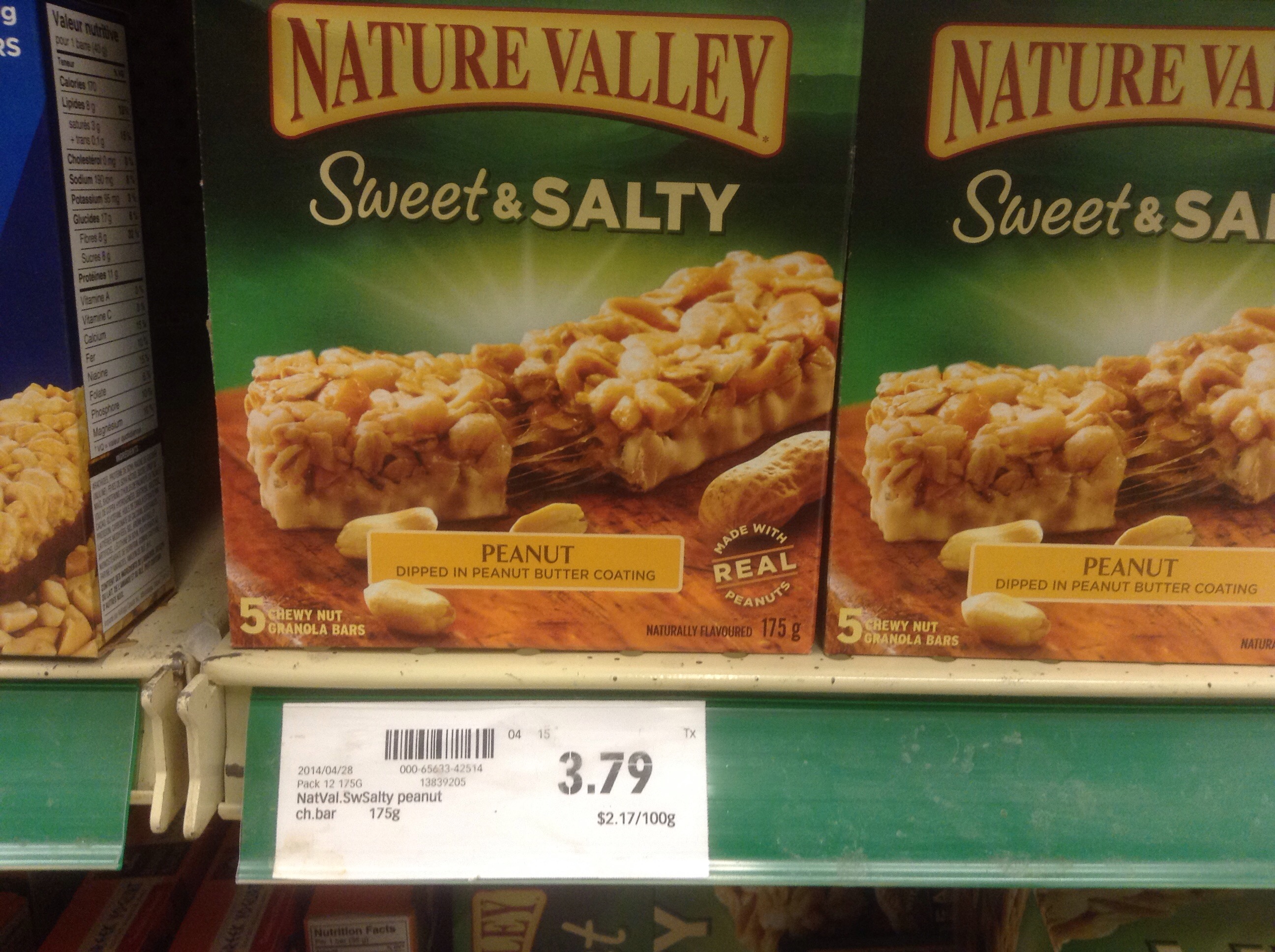
Skim milk?


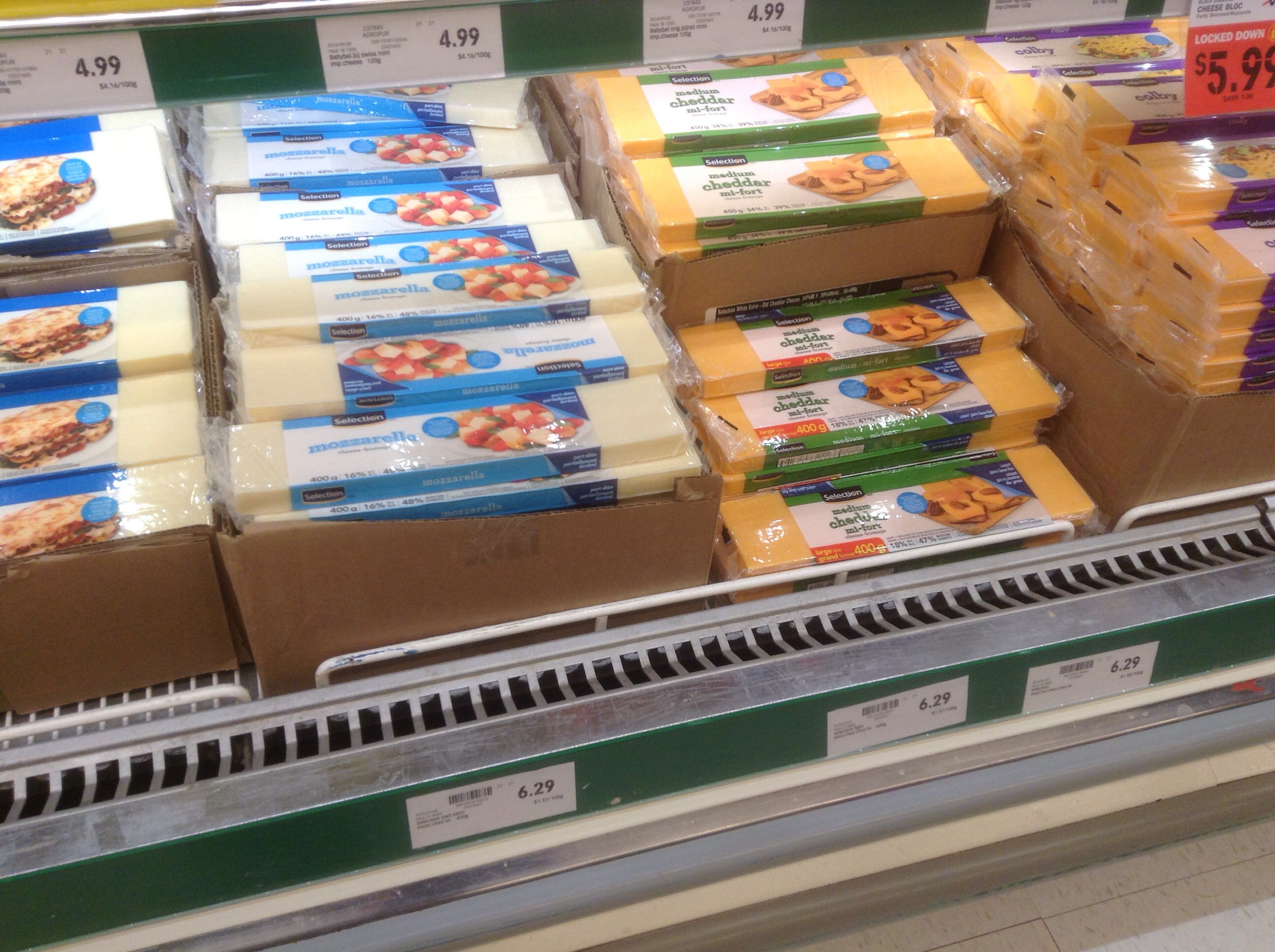
What’s up with the cheese…. Look at the package sizes…400g is jumbo, 450g is not?
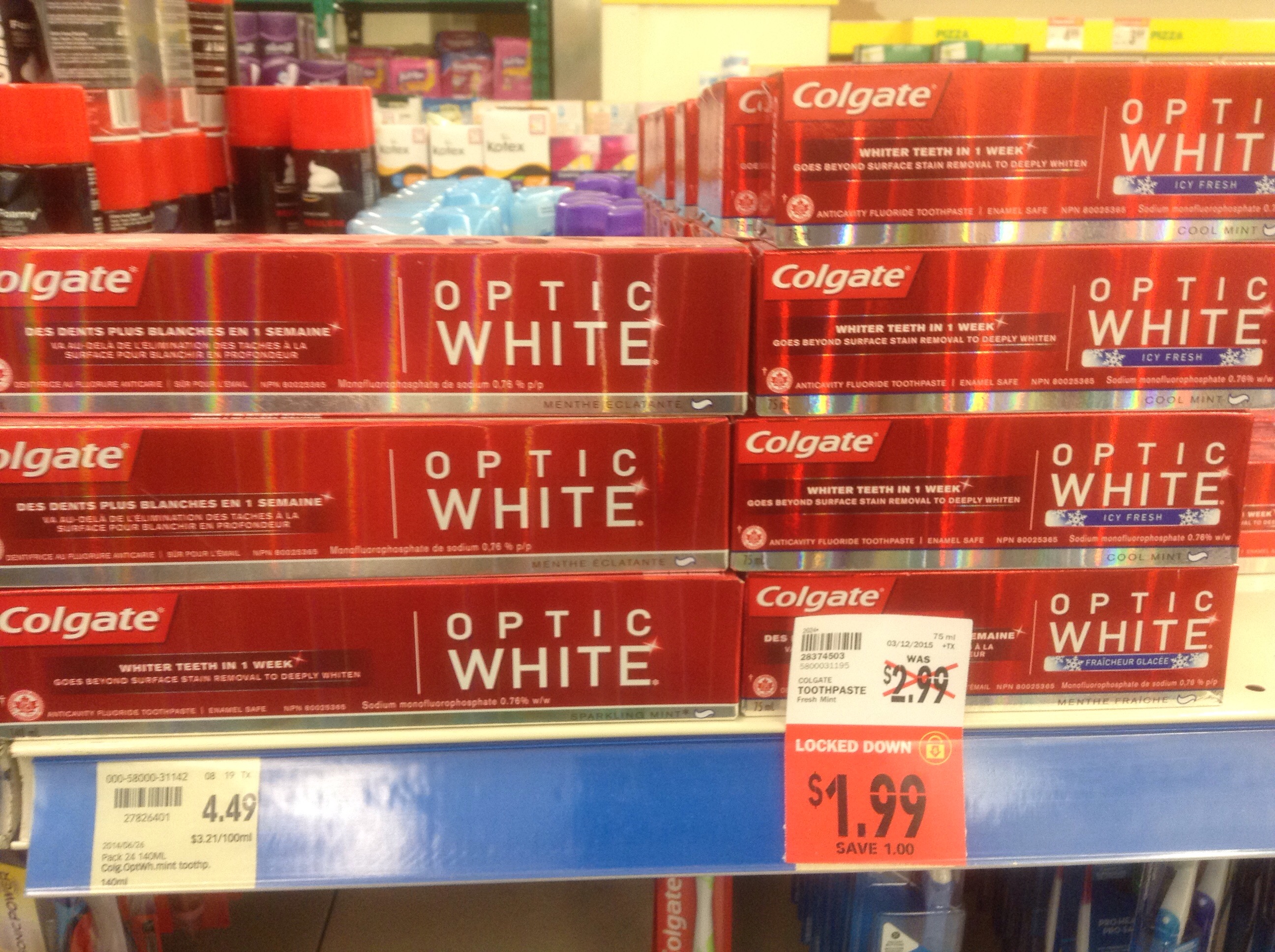
Toothpaste?
Hot chocolate?
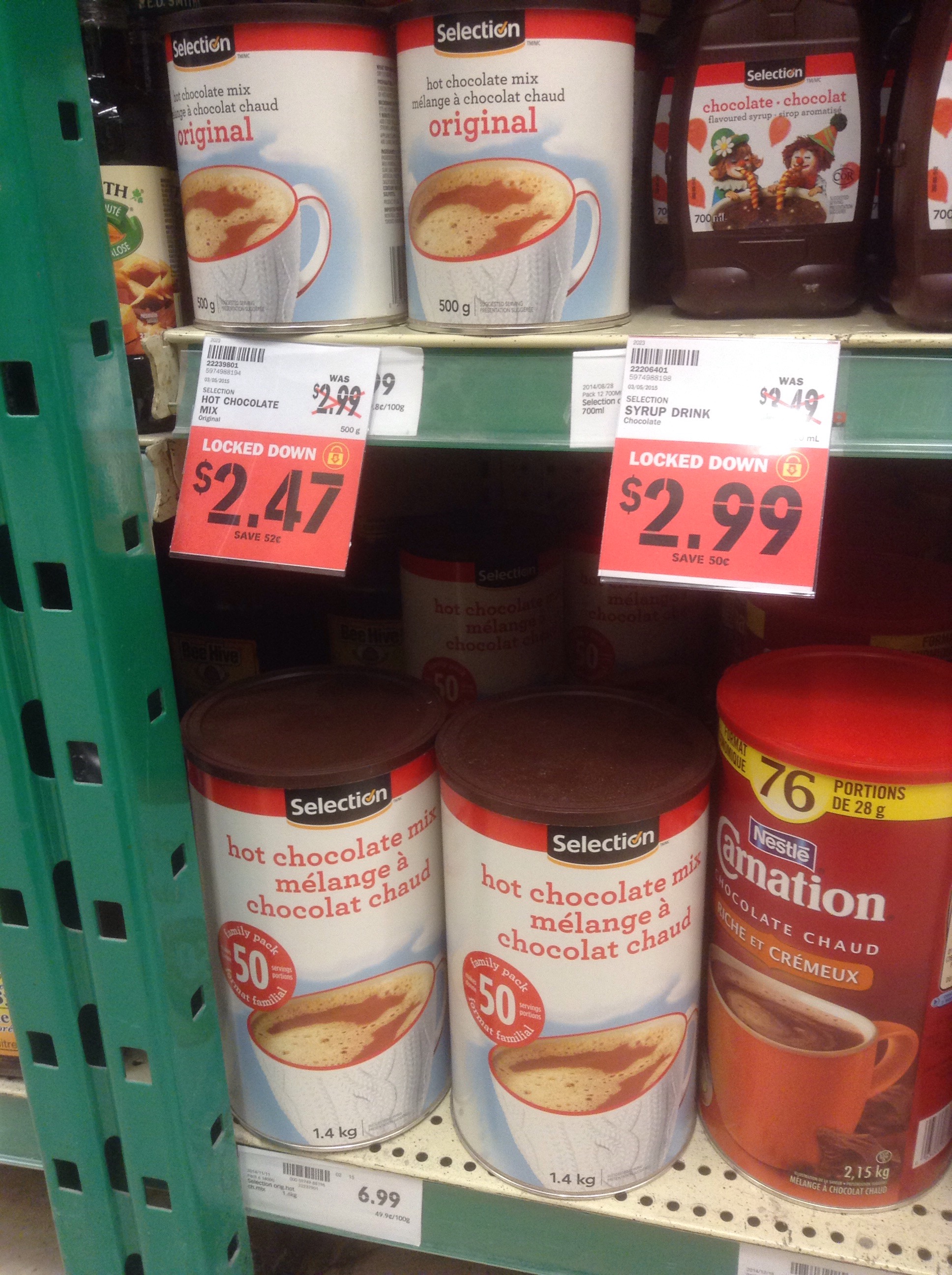
Are name brands more expensive than store brands?


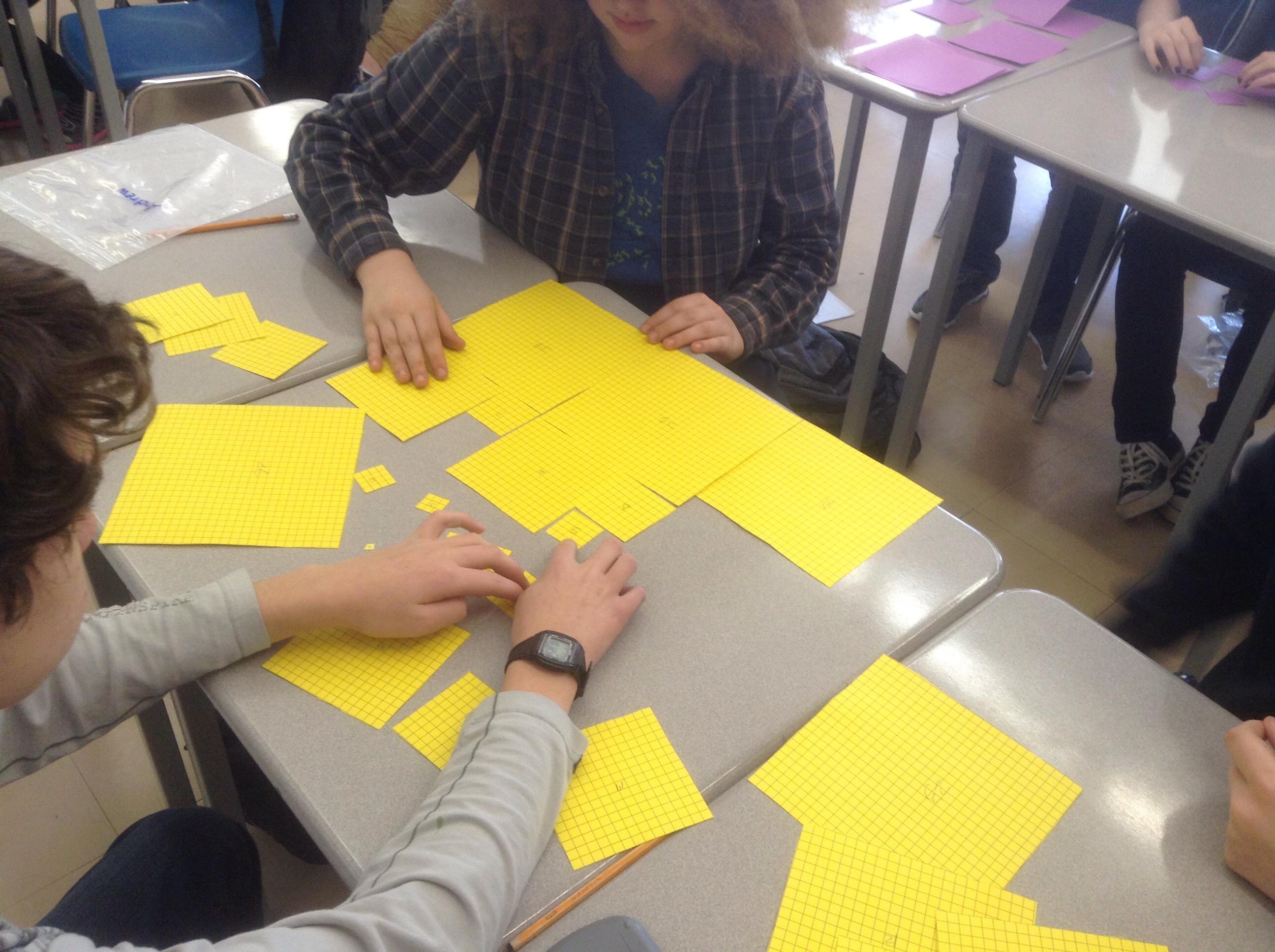
Playing with squares and marshmallows



Here are scalene triangles

And isosceles ones,

And right angle ones


They’re fun to make with marshmallows too.
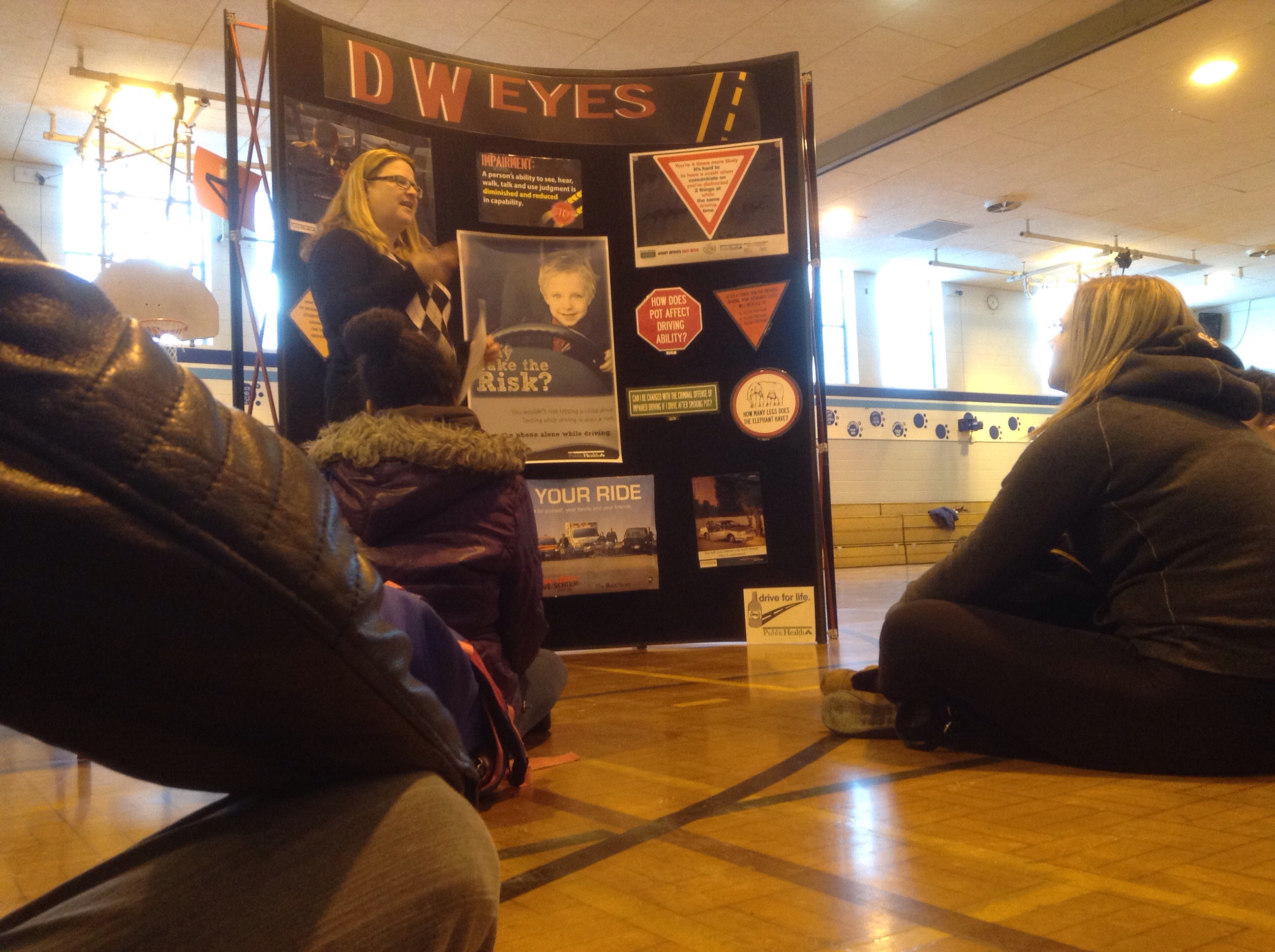
Drive for Life
Today we had a field trip to the Drive for Life presentation. We’re learning about choices involved with alcohol and driving.
Graphs

We’re making bar graphs to represent the birthdays in our class.
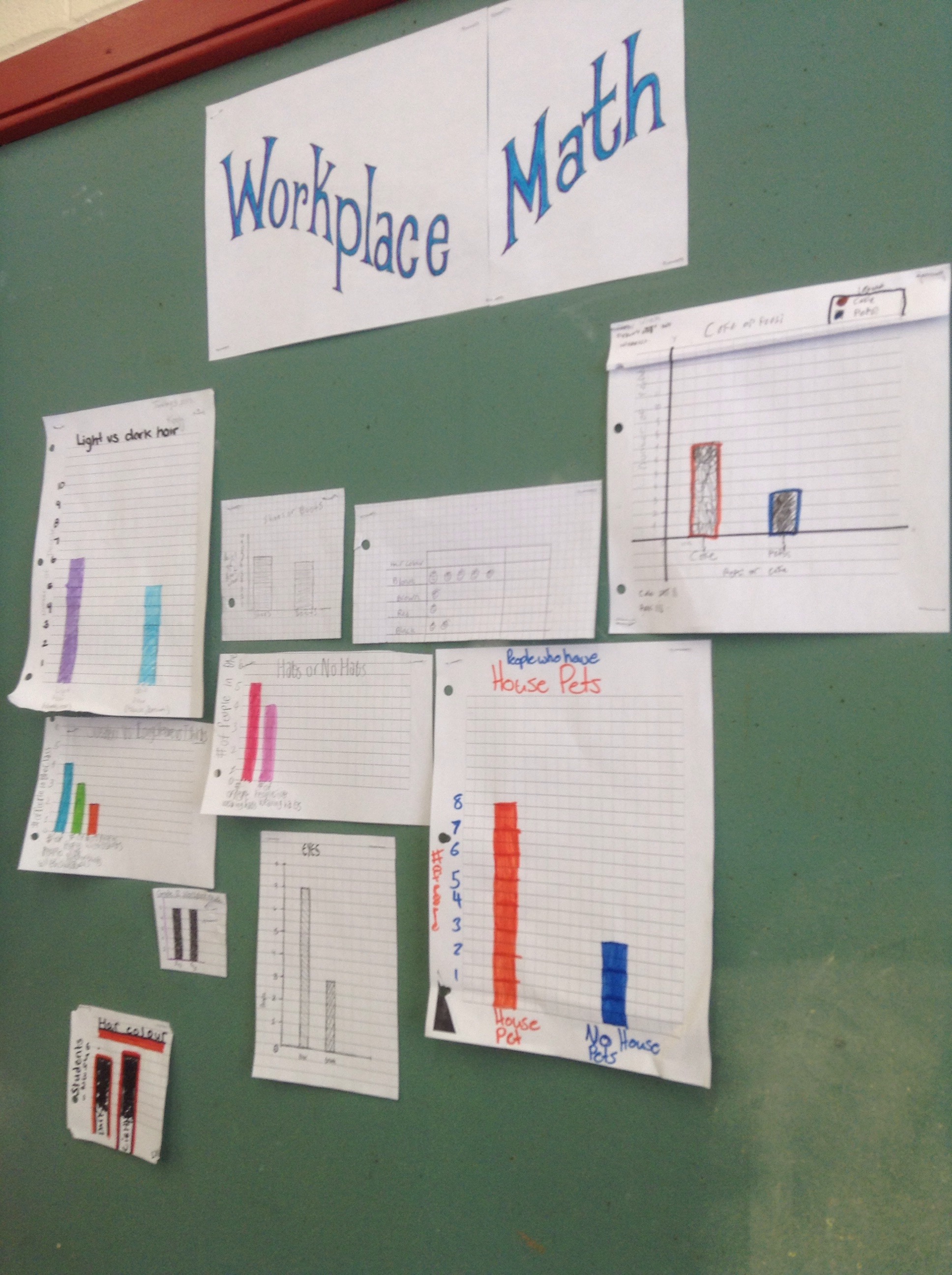
We’re making an infographic wall about our class.
Oh the places you’ll go

Today marks the last day of classes. This book is a tradition, filled with good life advice.
Grade 10 math review
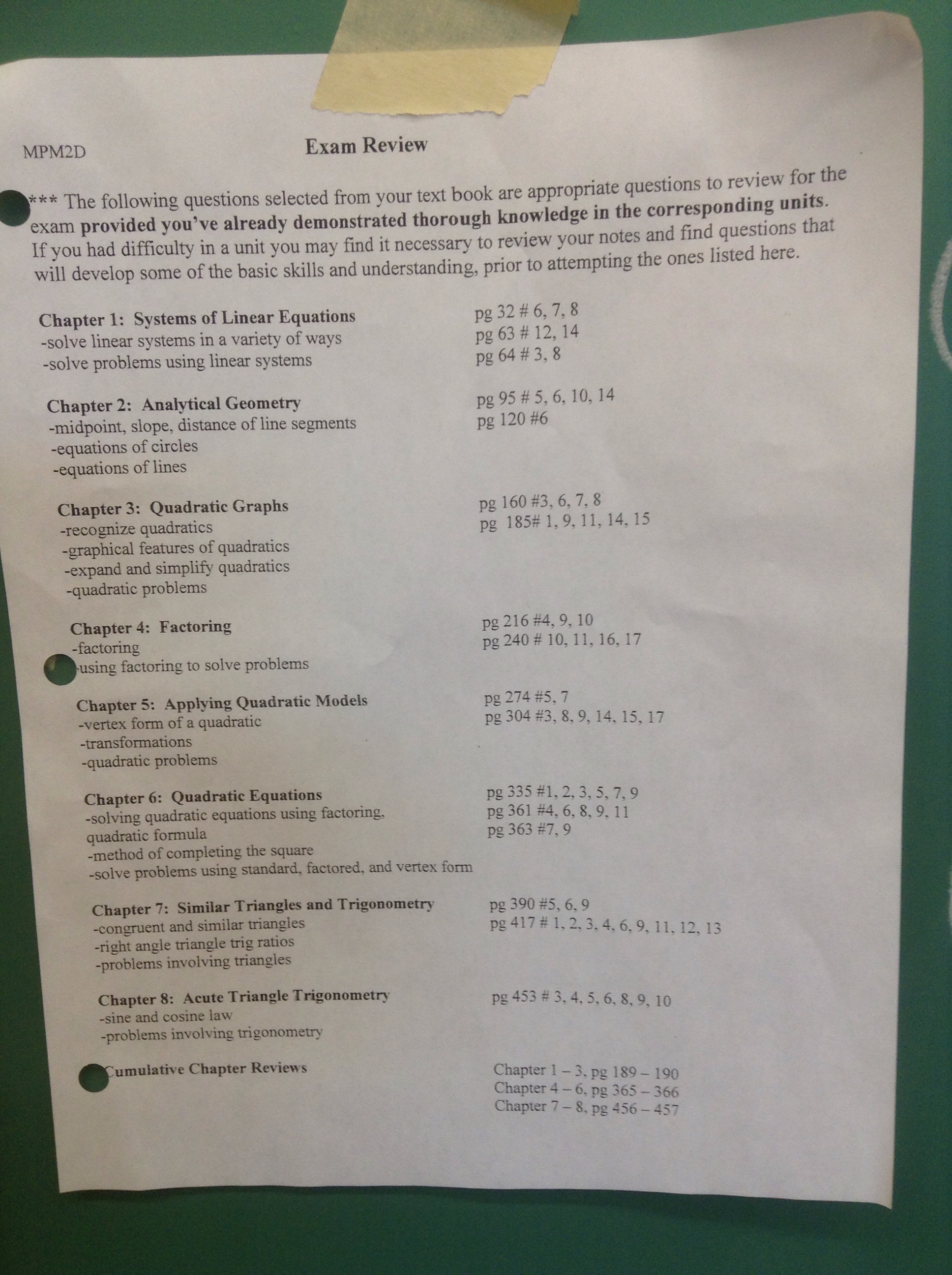
Snow day
Today the busses are cancelled to KC, our quiz will be postponed to Monday. Stay safe kids. The school is still open. If I’m not in our classroom I’ll be hanging out with the robotics team in rm 107. If you’d like extra help with math come find me 🙂
-Ms. Bearse
Swimming Pool Design
Today we’re designing swimming pools. We’ve been working on area, volume and perimeter calculations, and have worked with the pythagorean theorem to help in problem solving.
The pool design has a few criteria: two depths connected by a ramp, and the pool must be surrounded by a security fence.
The presentations include:
A diagram with dimensions
Calculations for the volume of water in the pool in litres (1000 cubic meters is 1 L)
Calculations for the tiled surfaces (walls and floor)
Calculations for the length of fencing required

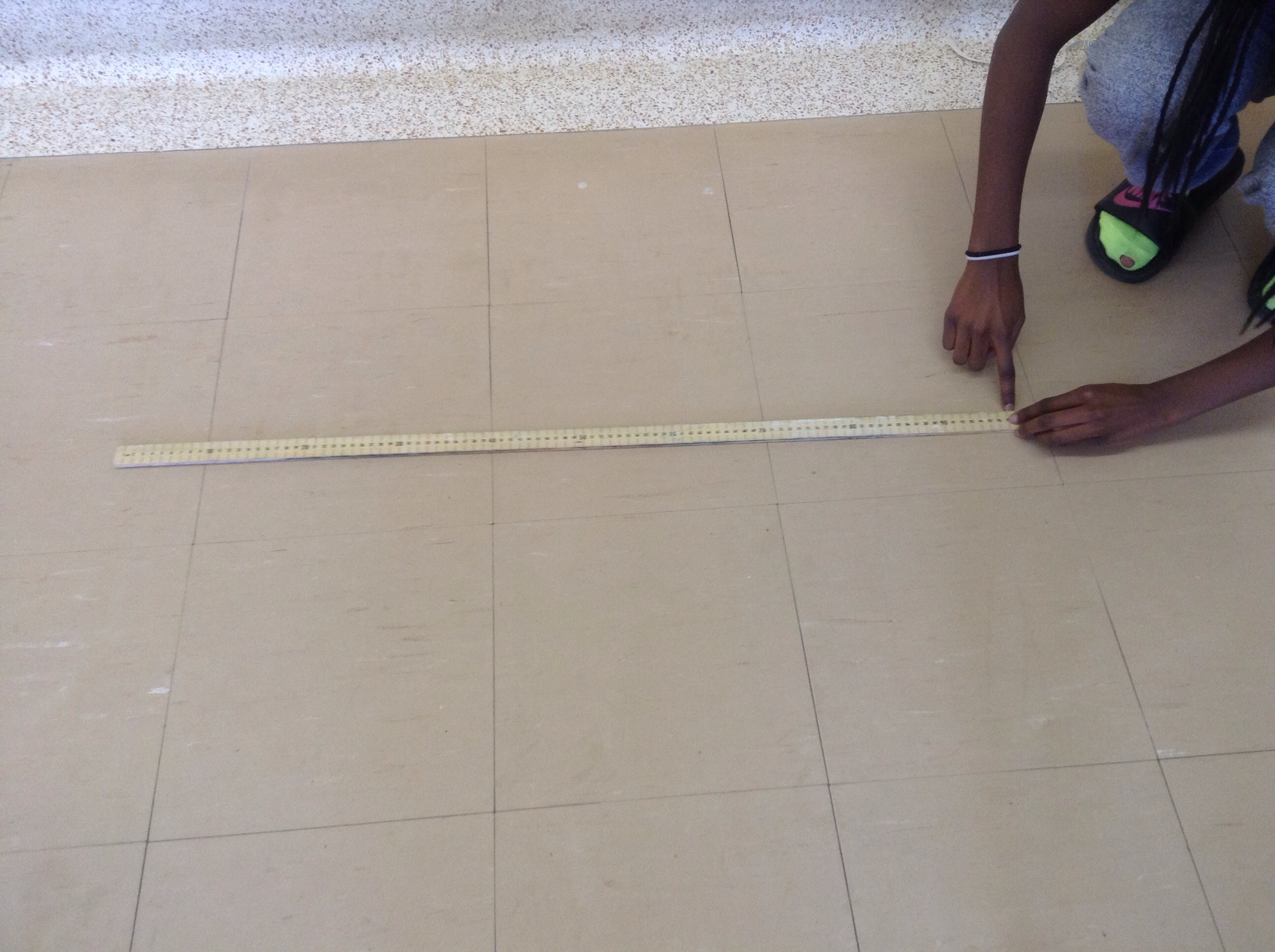
We measured reasonable dimensions
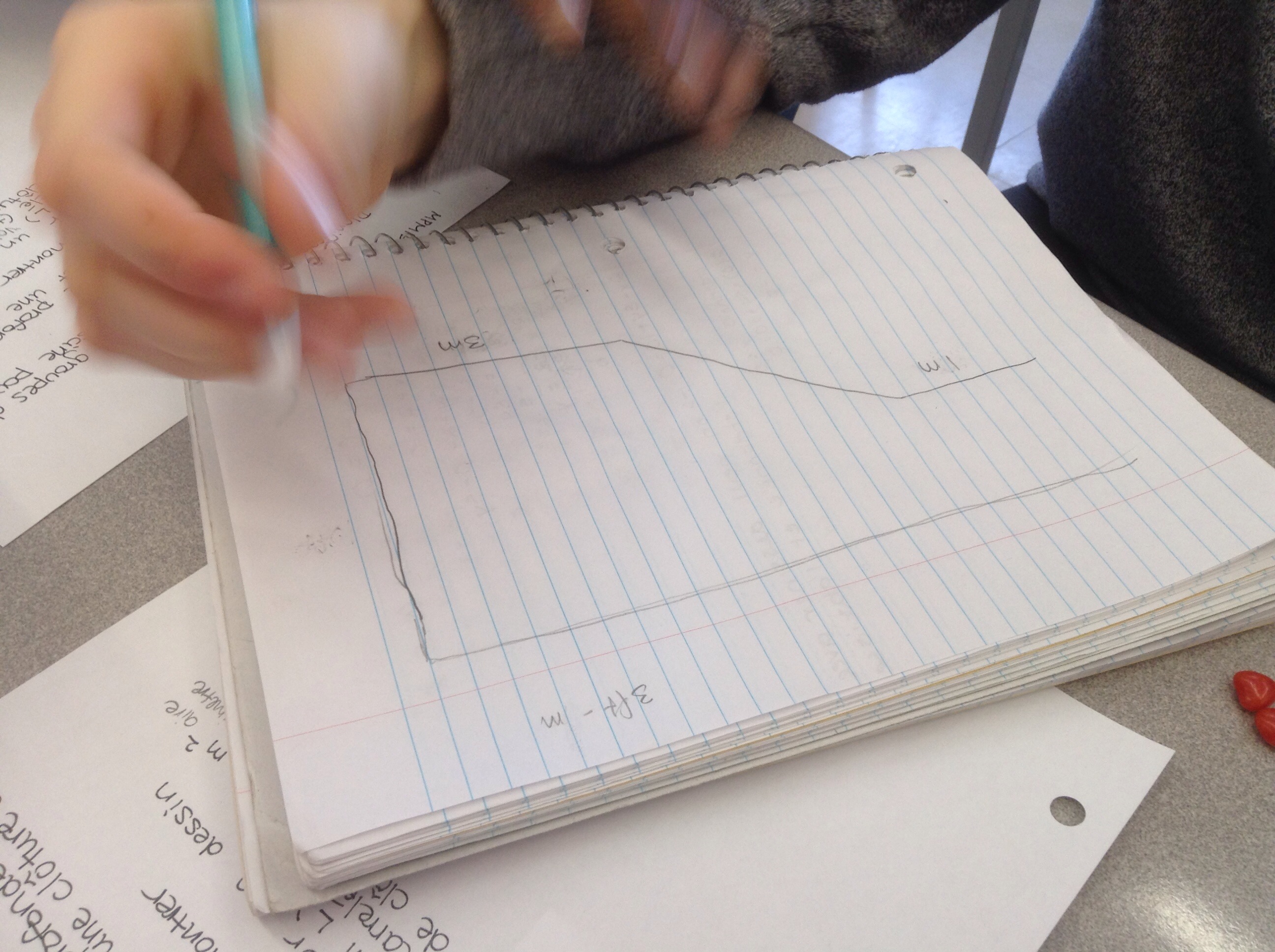

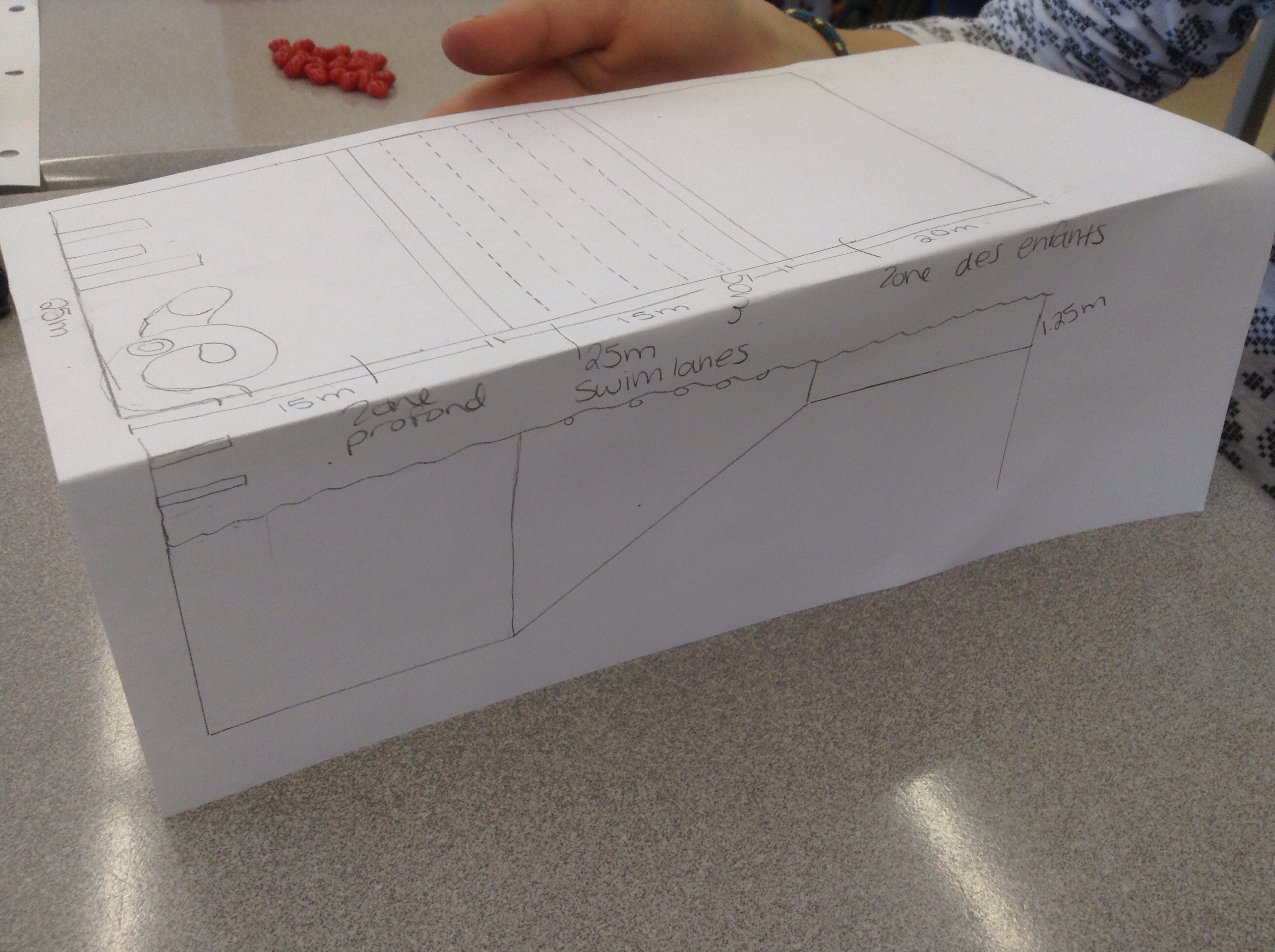
Then we drew diagrams and did lots of calculations.
Pyramids and Cones

How many times can the pyramid be filled and poured into the cube?
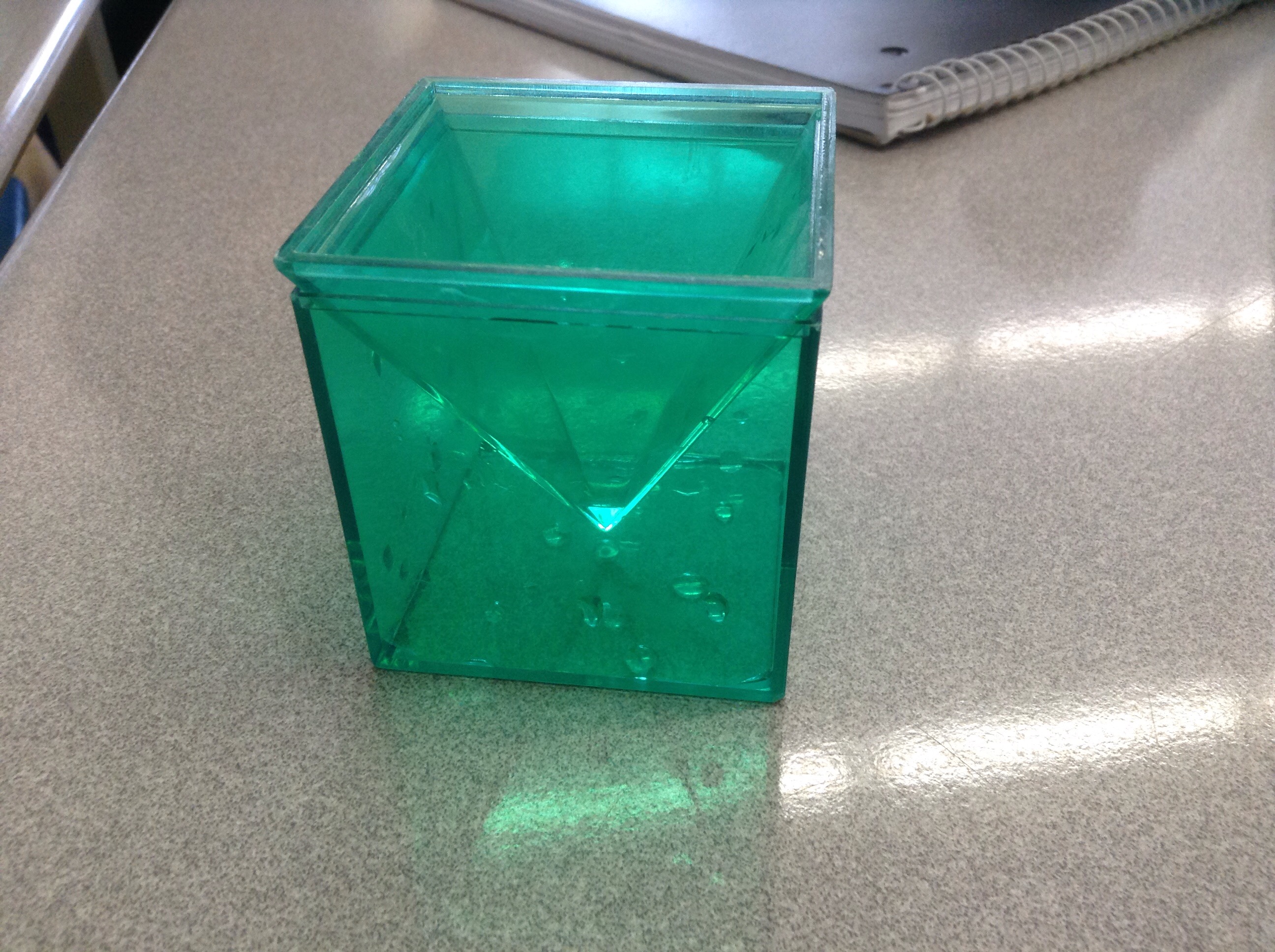
The answer is three….every time! As long as the height and base are the same dimensions
Spheres
Today we calculated the volume of the balloon. We had to use the circumference to calculate the radius first.
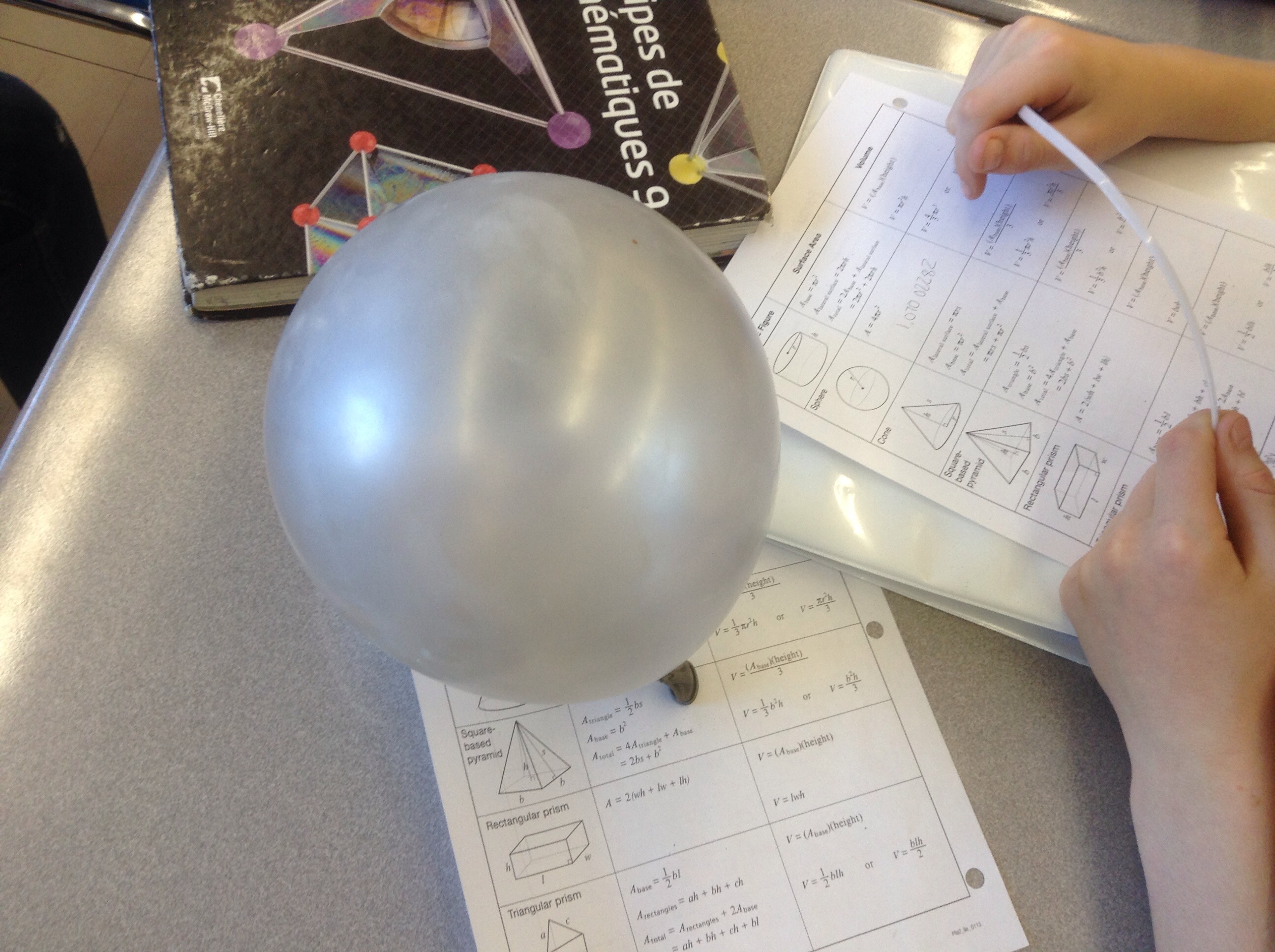
We then looked at what the smallest box would be to contain the balloon. We came up with two ideas….a cube and a cylinder….after calculating the surface area and volume for each package, we determined that the cylinder is the best choice because the volume and surface area are both smaller.
 Ms. Bearse's Site