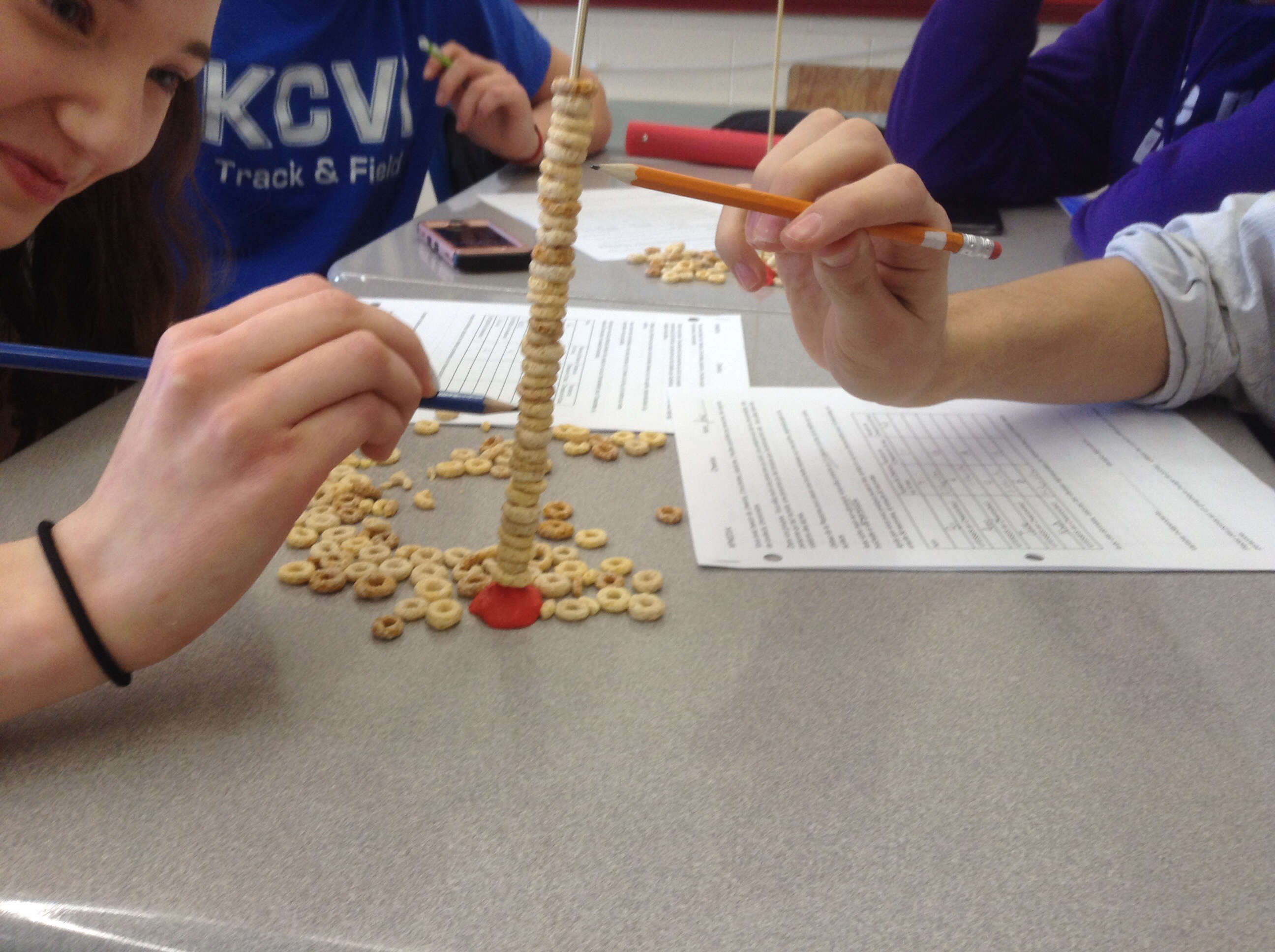
The great left handed cheerio stacking race
We are stacking cheerios today!
We are comparing the stacking rates
And making graphs
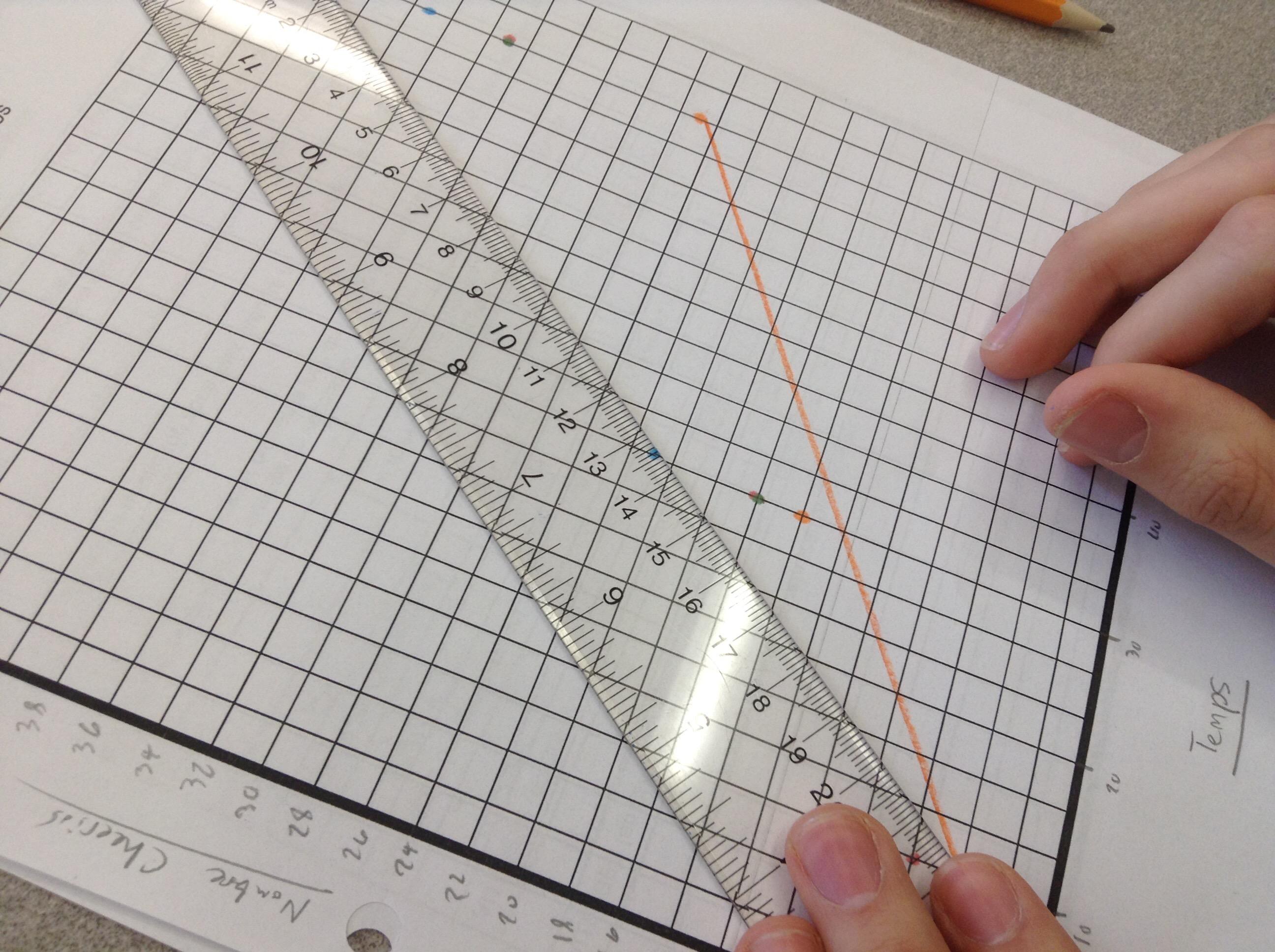
Here are the worksheets we used: grade 9 and grade 10
After we determined who stacked cheerios the fastest and the slowest, we set up a head to head competition, and we levelled the playing field, giving the slower person a head start (we calculated how many cheerios they’d need to have as a head start–initial value).
Work for Feb. 9 2017
Grade 9 Exam Review
Hi Grade 9s,
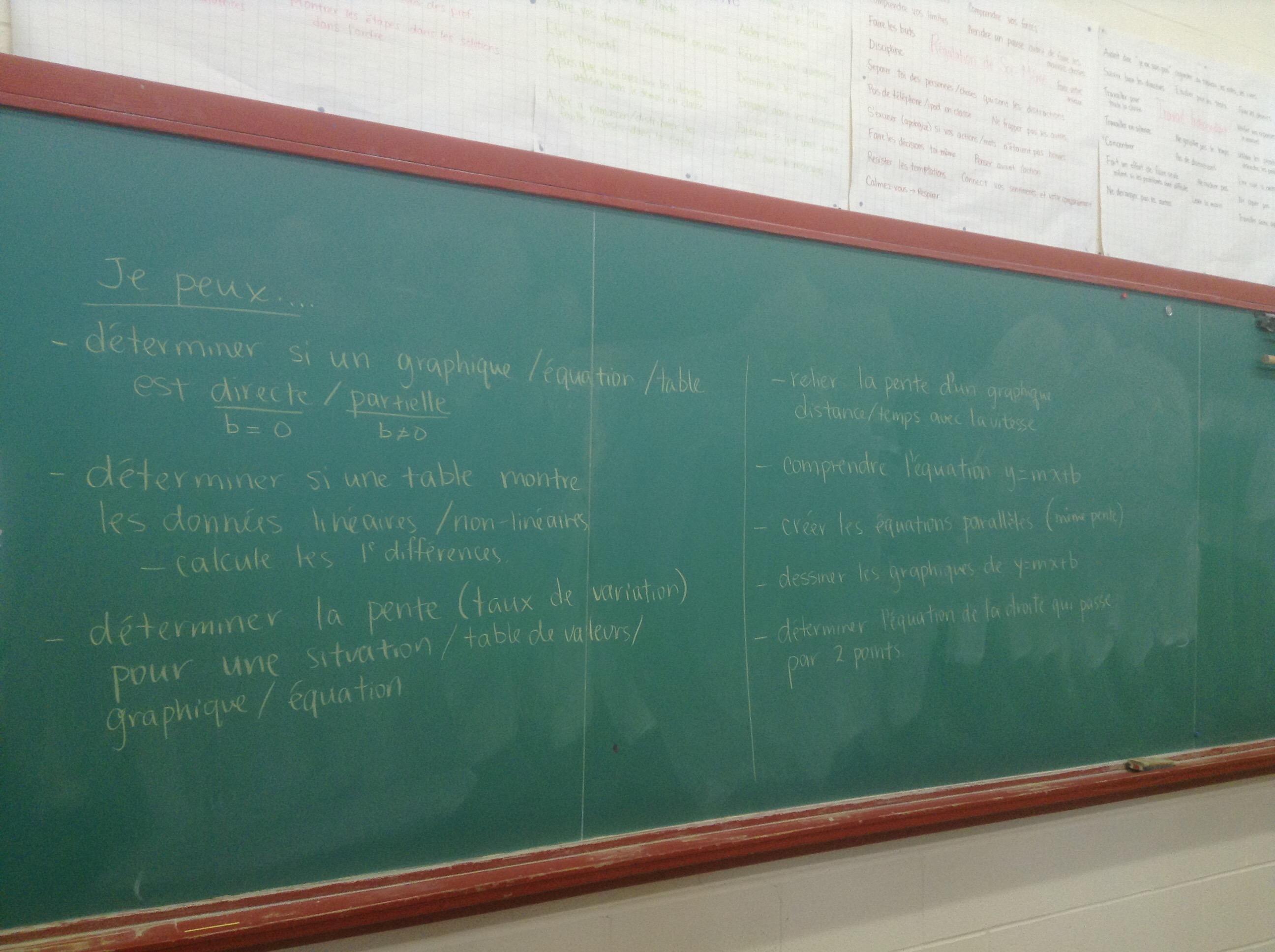
It’s been kinda crazy with two snow days in a row. EQAO has been moved to Thursday and Friday, and with our chapter 5/6 test (I’ll make it a small one) on Monday, we will have only 2 days in class to review. I have made this checklist to help you get started on your studying tonight and this weekend.
Grade 10 Review
Dear Grade 10s, Here’s a checklist of all you need to know for the exam. It’s been rough with 2 snow days in a row. I hope you are working hard. We will have our test Thursday and Investigation Friday in class time.
Holiday show!
We made it to holidays! Have a safe and happy break. Remember exams come quickly when we get back.

Secret Santa
A class tradition has become having a secret santa gift exchange before holidays. The emphasis is on making our gifts. This year there were some very creative presentations, songs, and artwork, baked goods, and inside jokes. Many thanks to everyone for all the efforts and enthusiasm you brought to this tradition.


Cookie houses
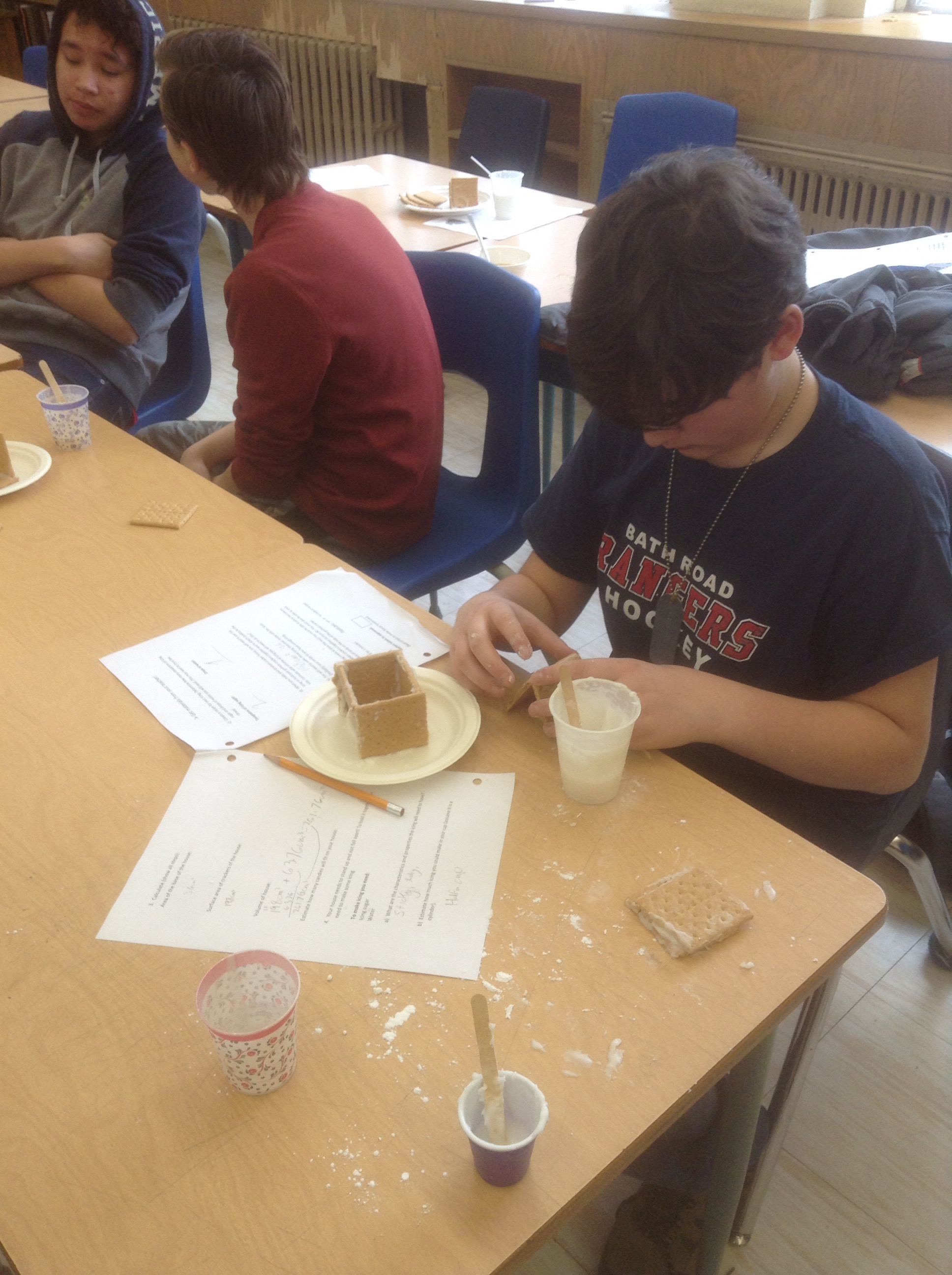
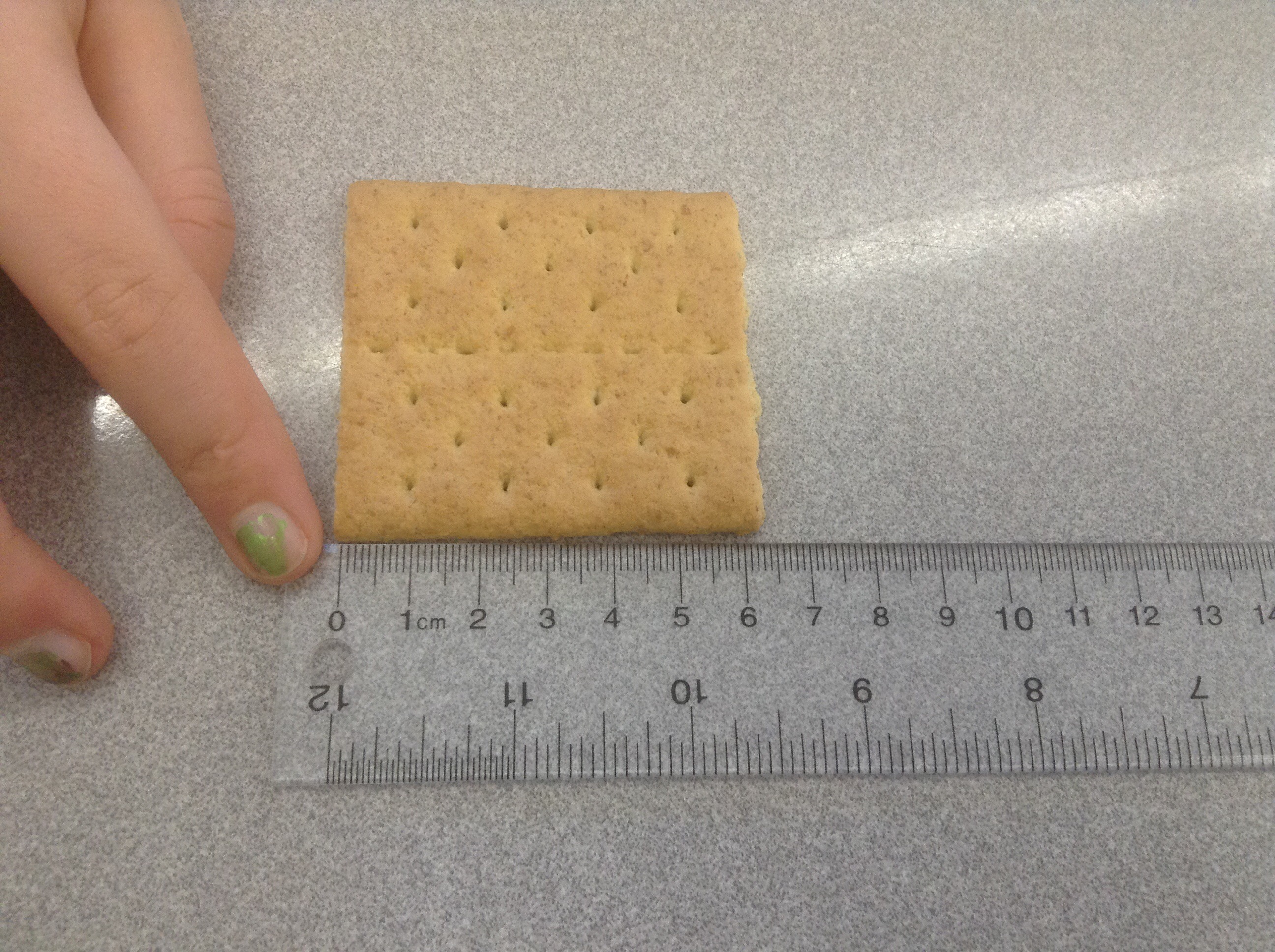 We made cookie houses this week and calculated the volume and surface area.

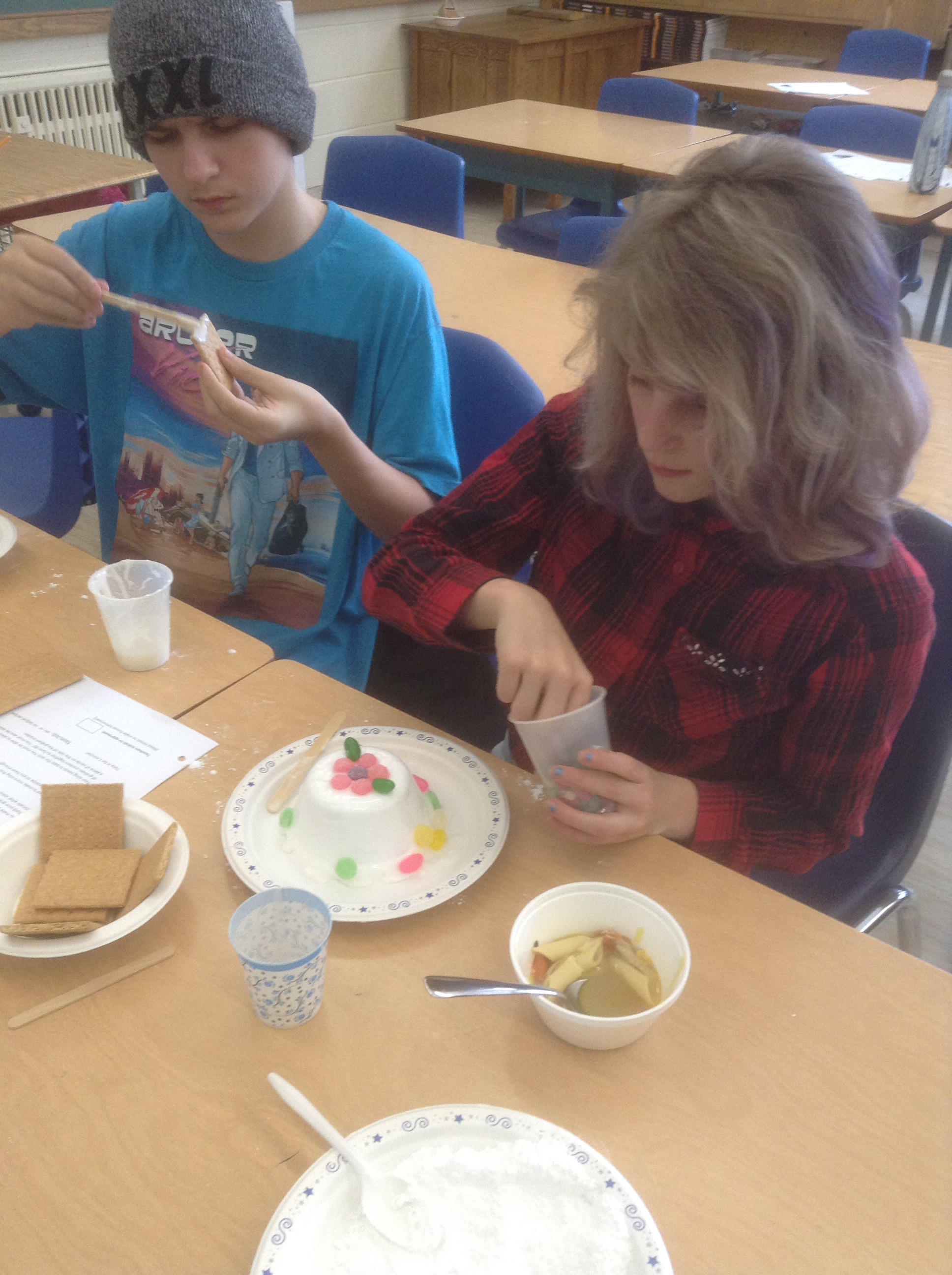
We also worked on making an icing recipe that would stick the houses together well. We needed to adjust the proportions of sugar and water until it was just right.


Then we added the candy!



Popcorn challenge
Take a sheet of paper and make a tube. It can be done in two different ways….a tall thin tube, and a short wider tube. Which one holds more popcorn?

We measured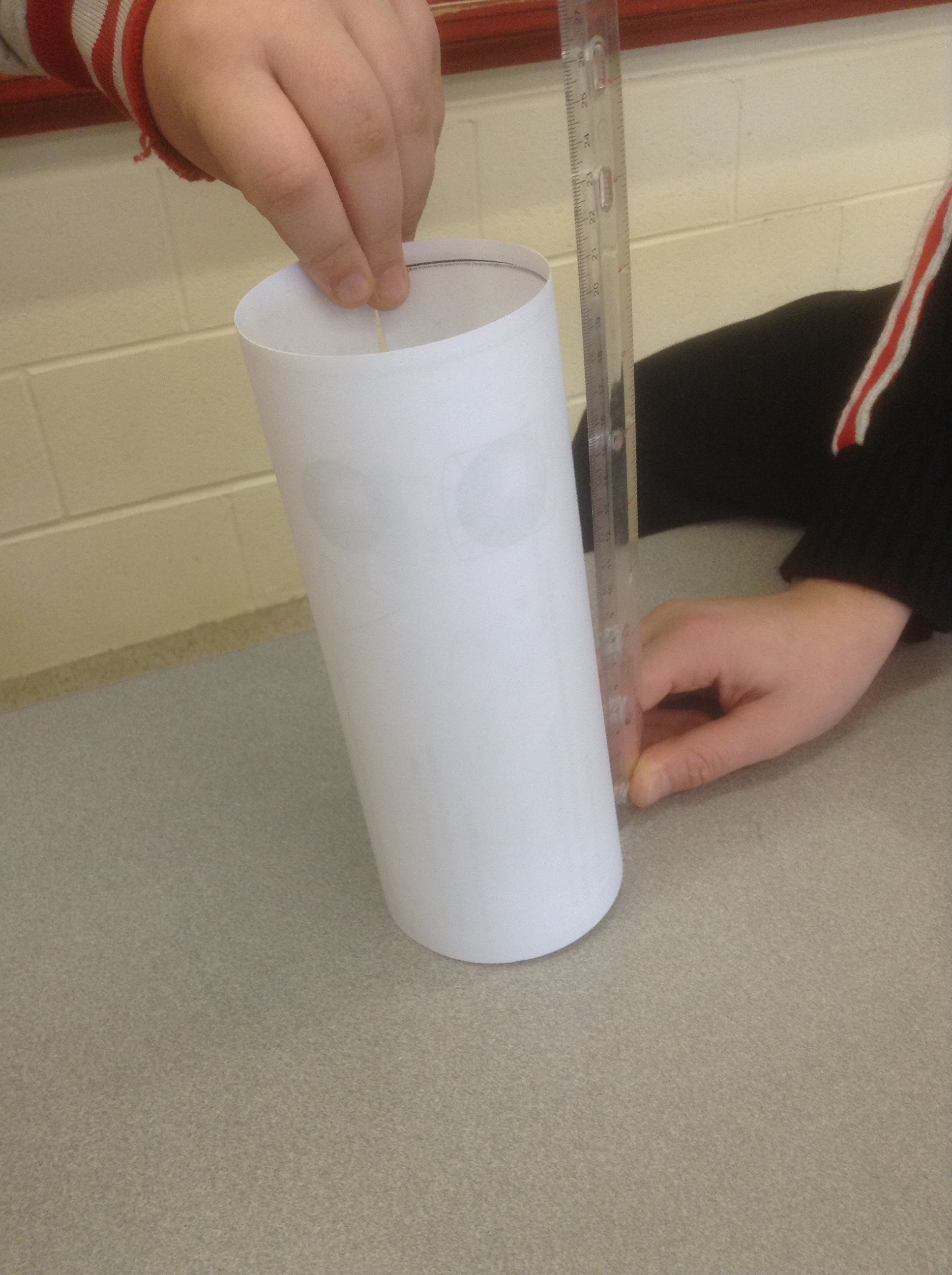
 we calculated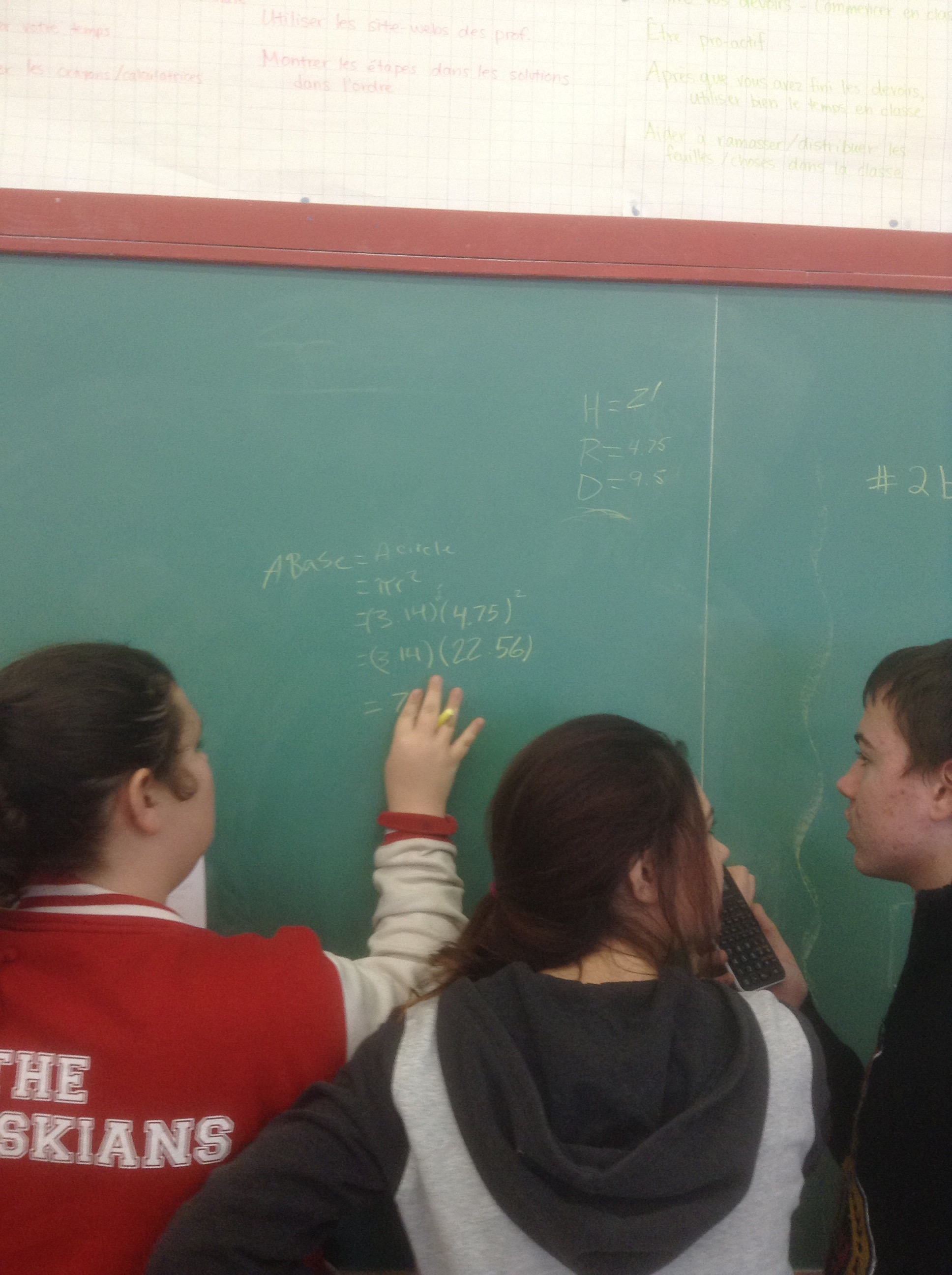
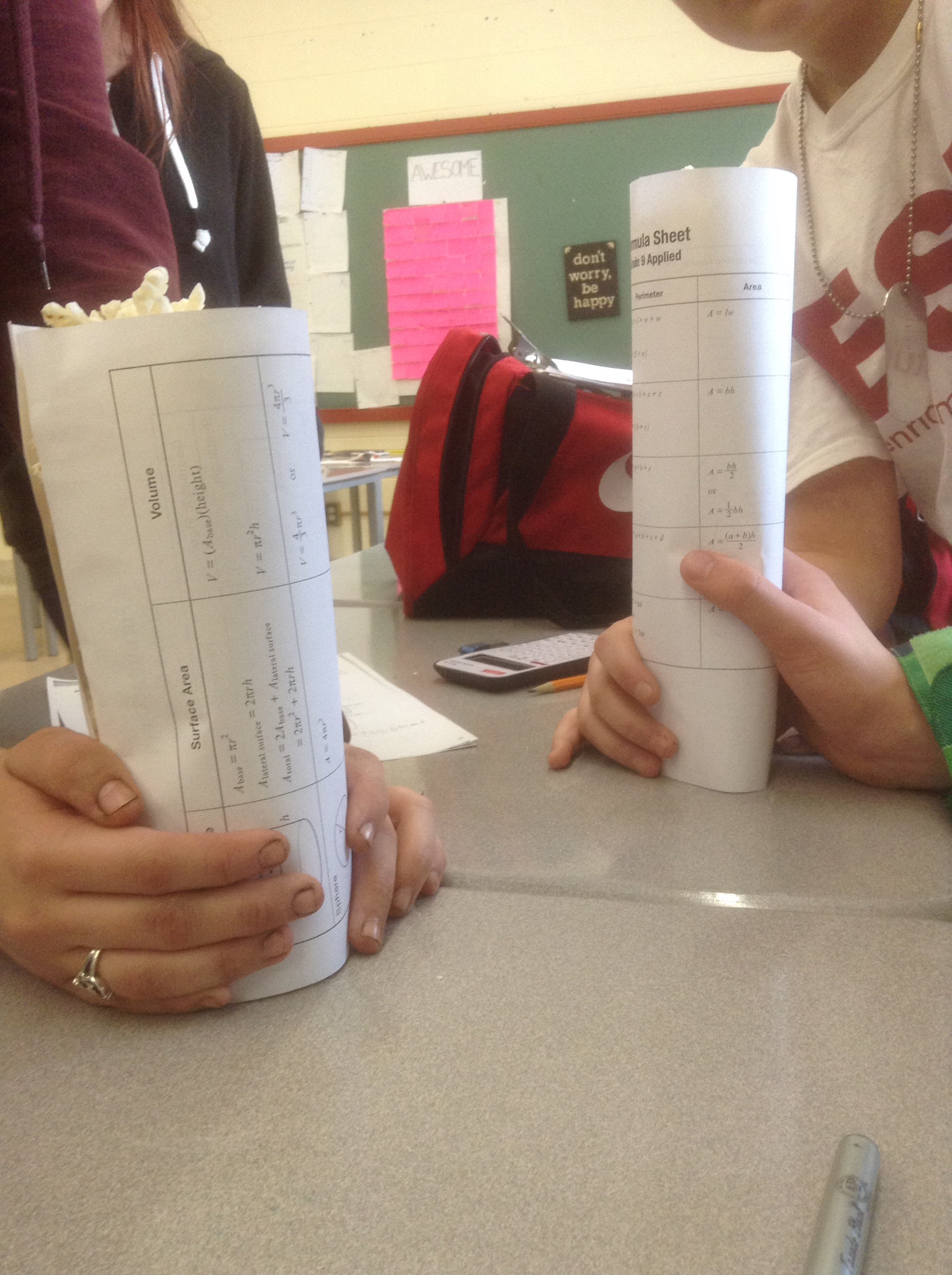 then we tested our theories
Bring on the math carols
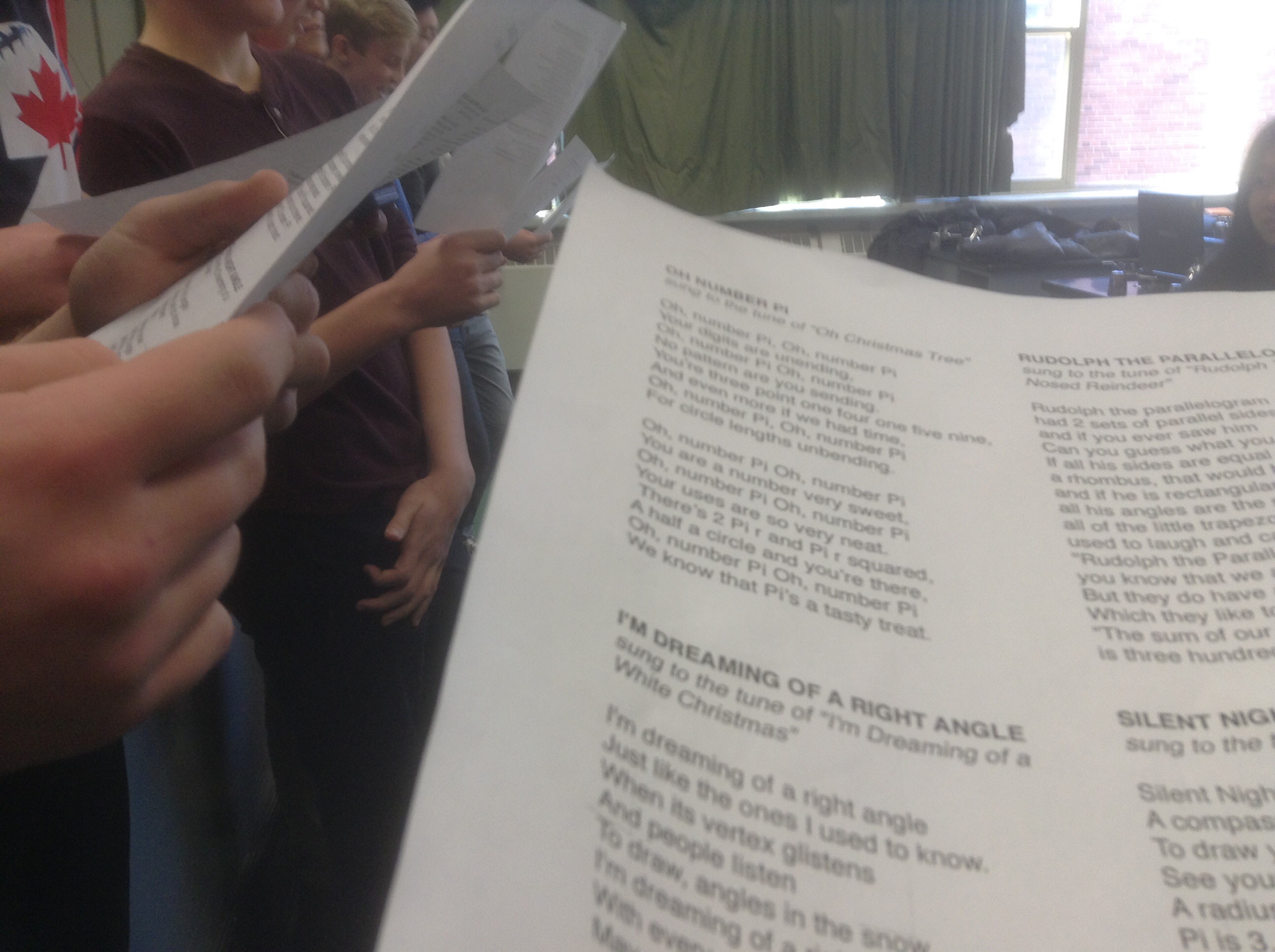
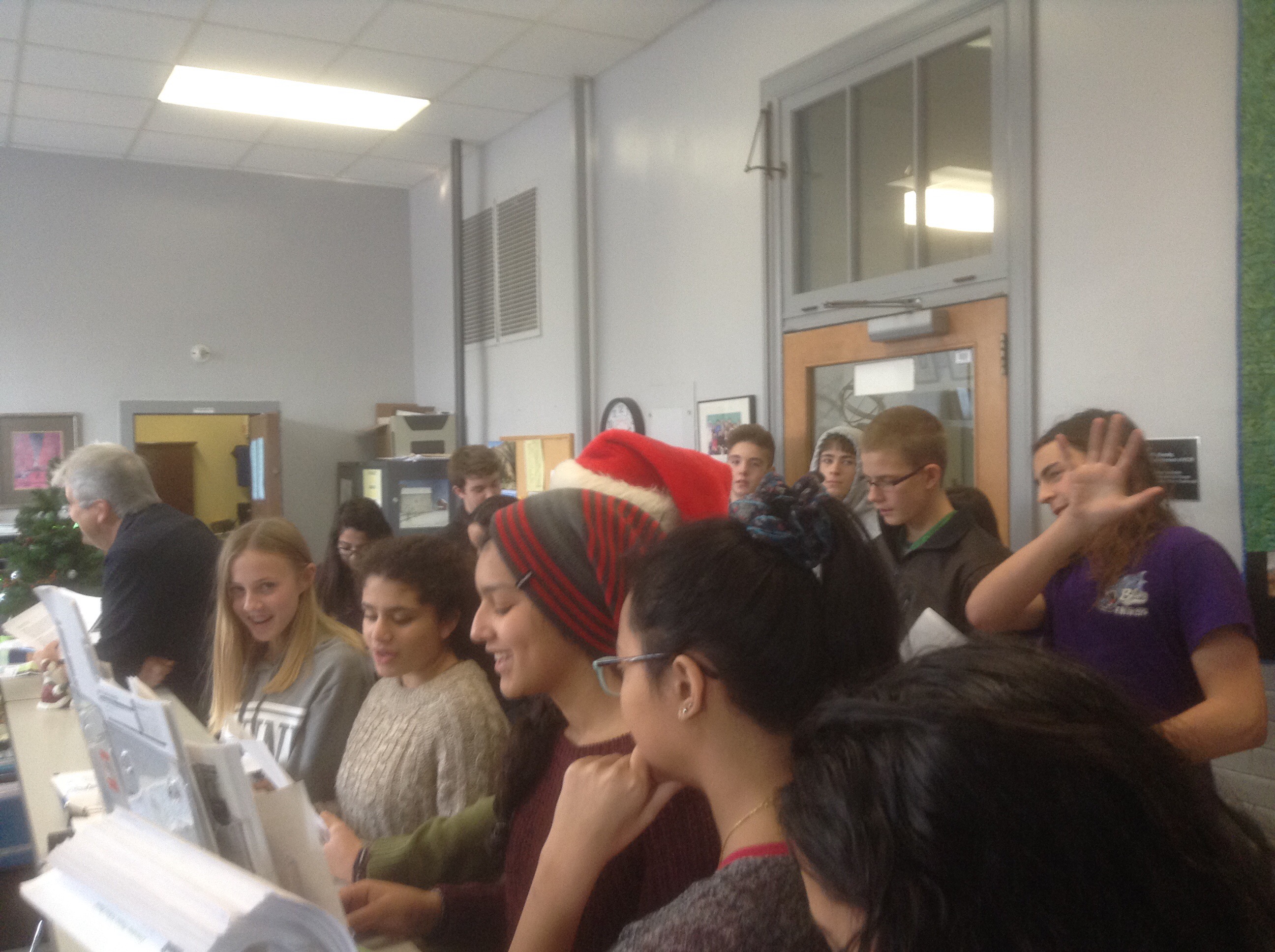
We brought mathmatical cheer to everyone this week through our math carolling.
9e révision