10e révision


Grade 9
Révision pour le test demain

Bean update
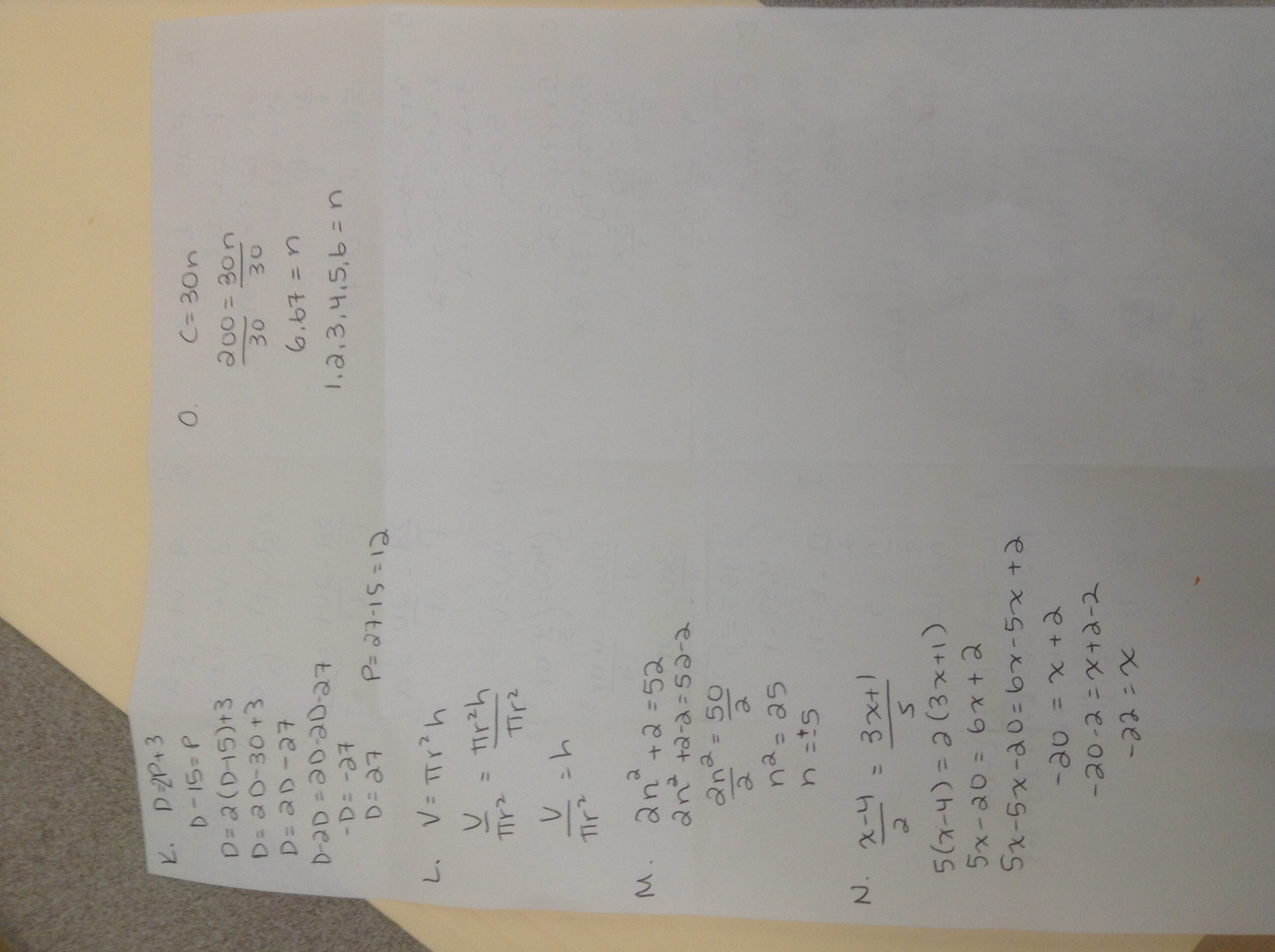
Today we said goodbye to all the dried up bean plants…. We have a few that are still growing, but many are dead.
We opened up the beans to reveal the seeds….here are lots of tiny seeds.
Here’s a big kidney bean. It’s not red yet, just a bit pinkish.
It’s amazing what has grown between the first day of school and now. 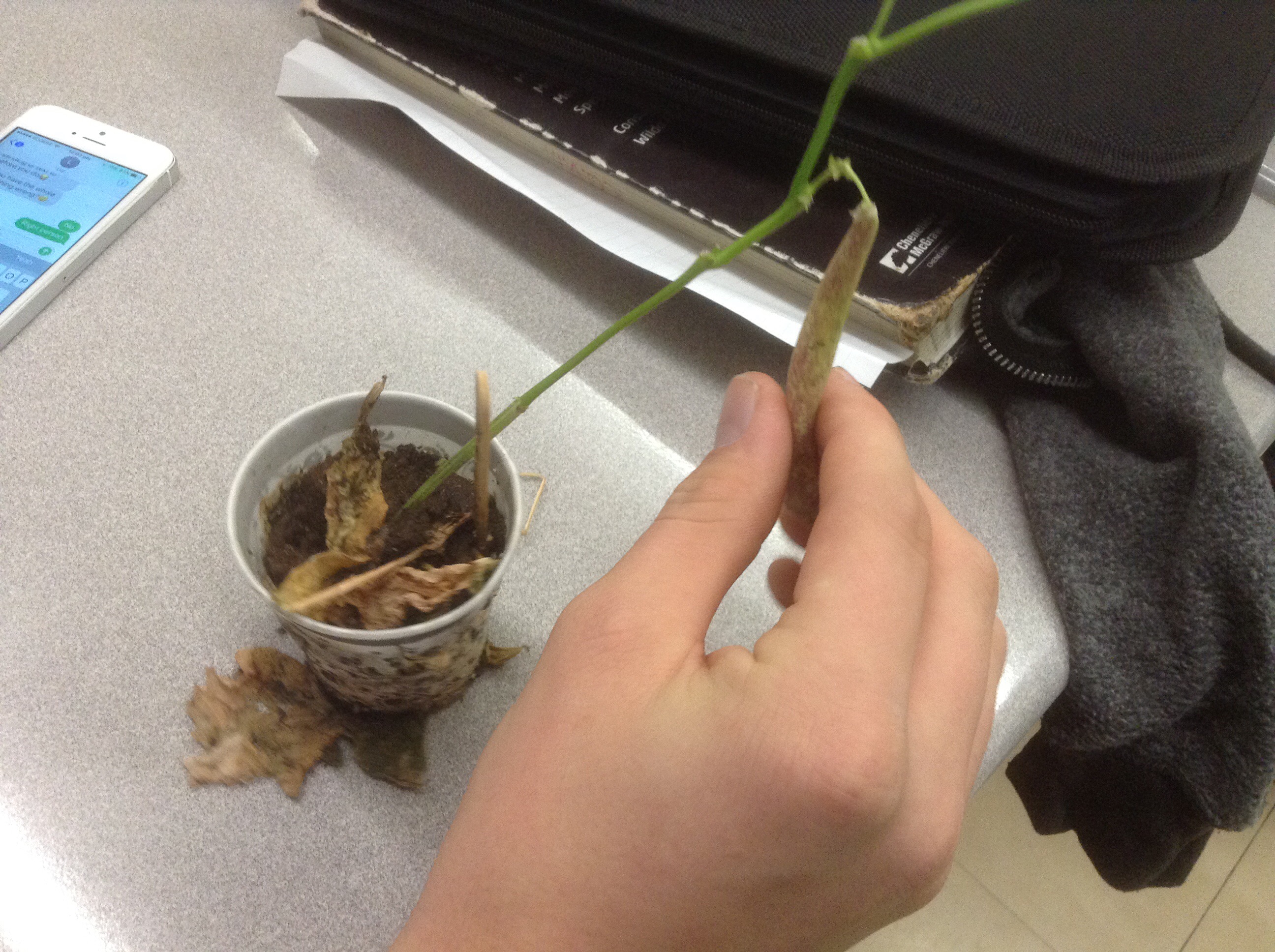
Algebra and Algetiles
We are getting pretty good at simplifying expressions and adding polynomials. 
We are using algetiles to help us visualize algebra. The most important idea we have used is that a positive something and negative something cancel each other out to create zero. So a small red square and small blue square cancel each other out. A red rectangle and blue rectangle make 0. A big red square and big blue square cancel each other out as well. 
We made some pictures today and then took turns cancelling out red and blue tiles and then telling what the finished polynomial is. This face is 2x^2 +3x-2
Some of the pictures were pretty cool!



Grade 10s
Here ya go!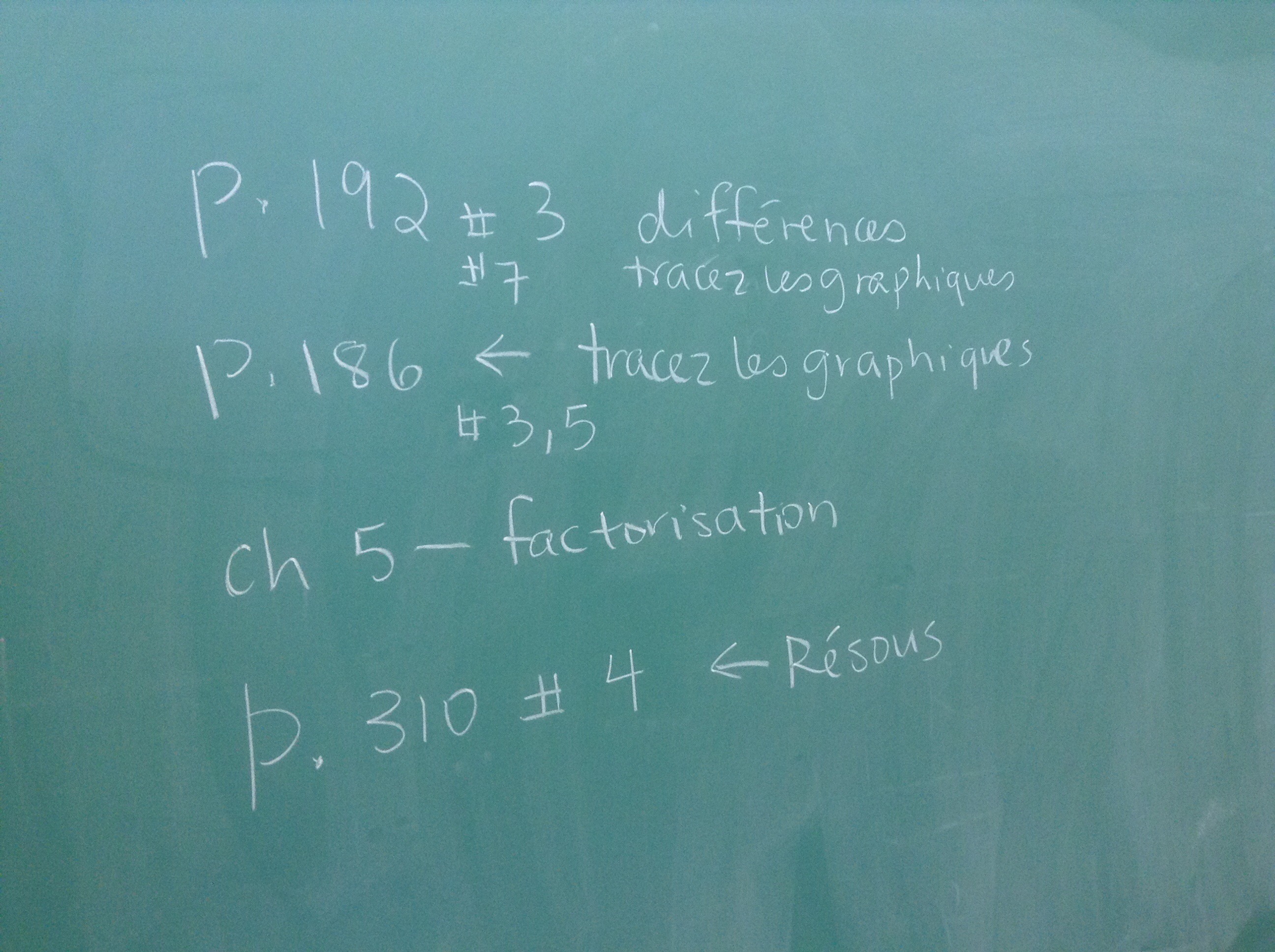

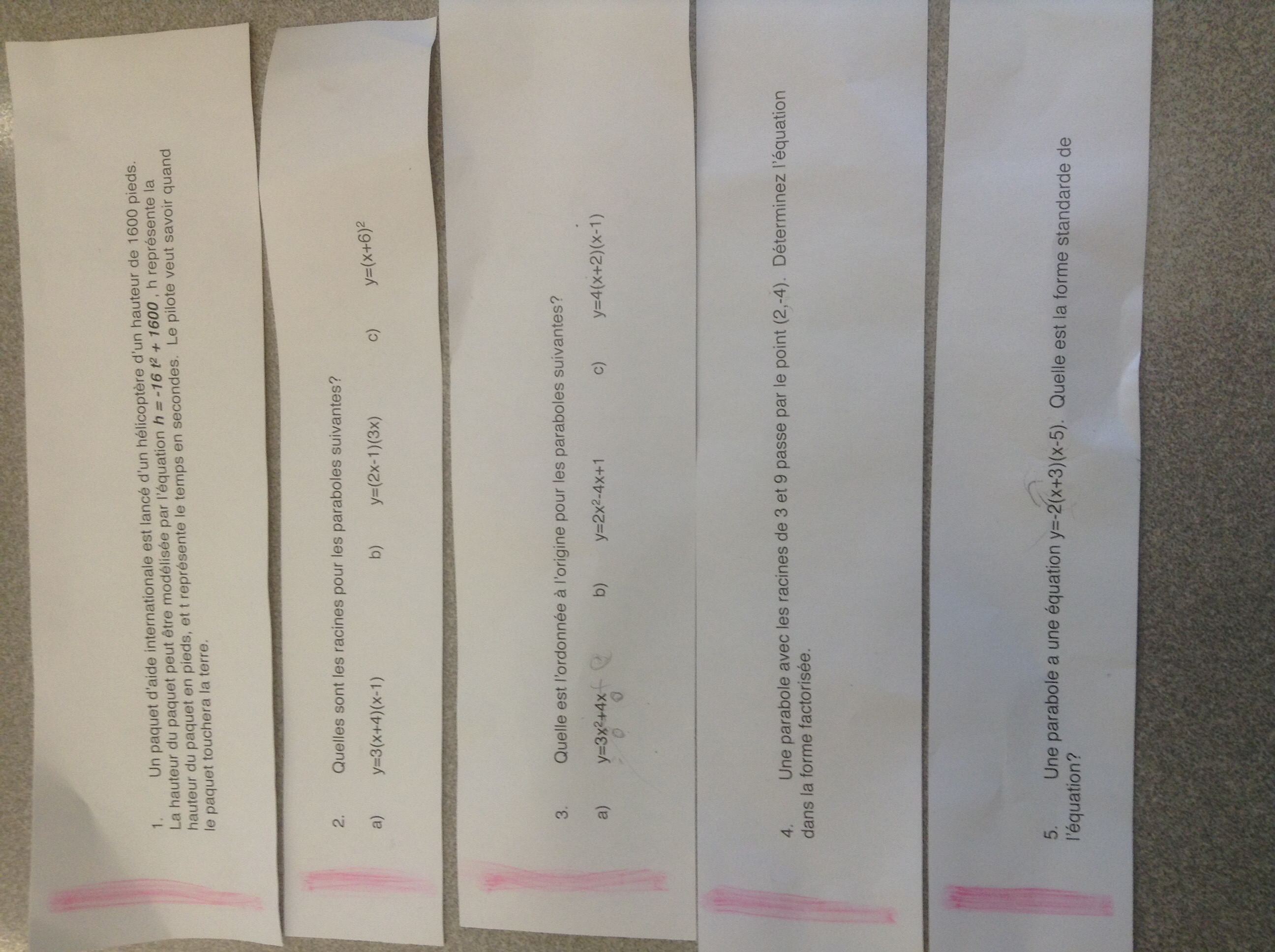
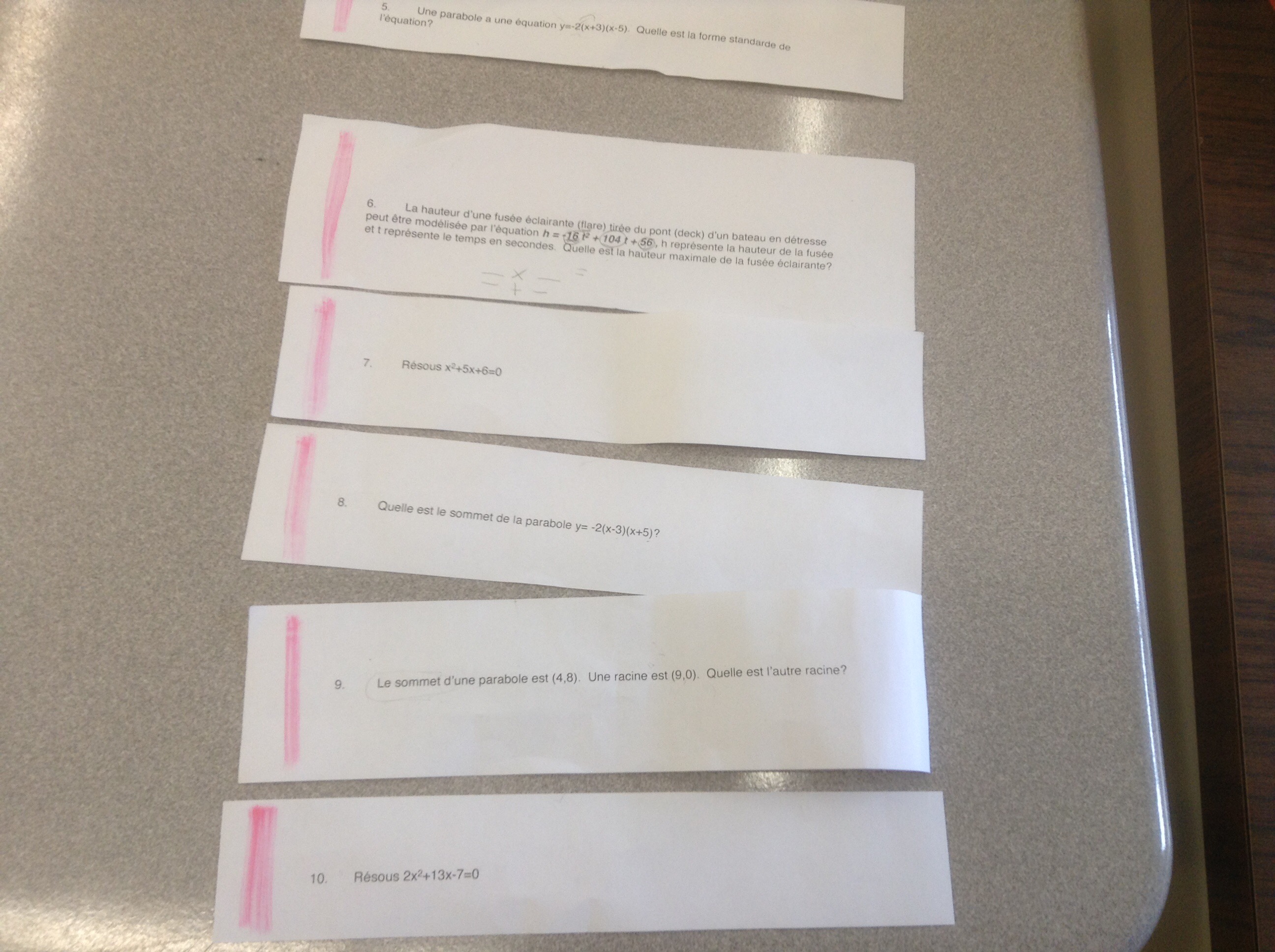
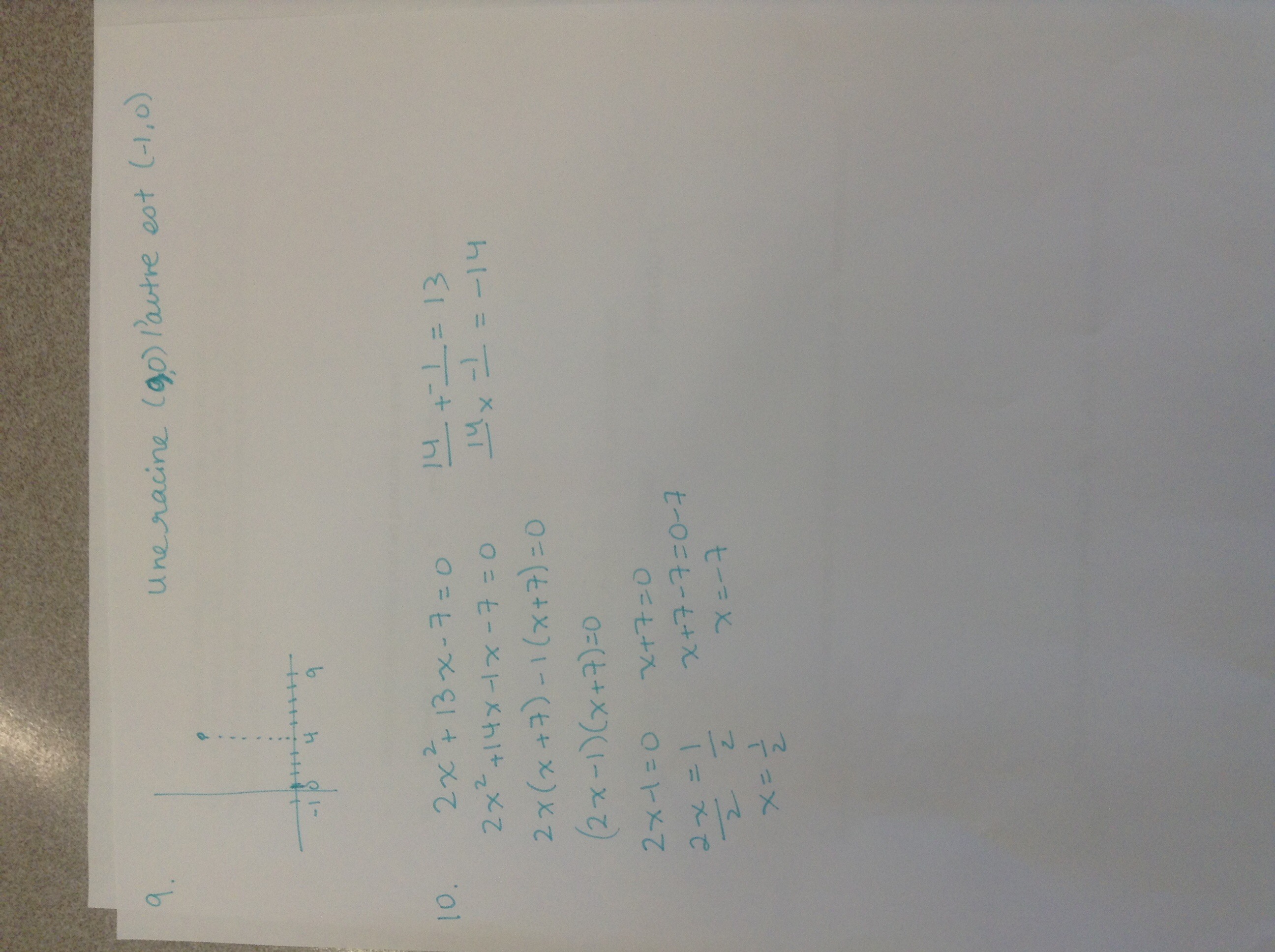
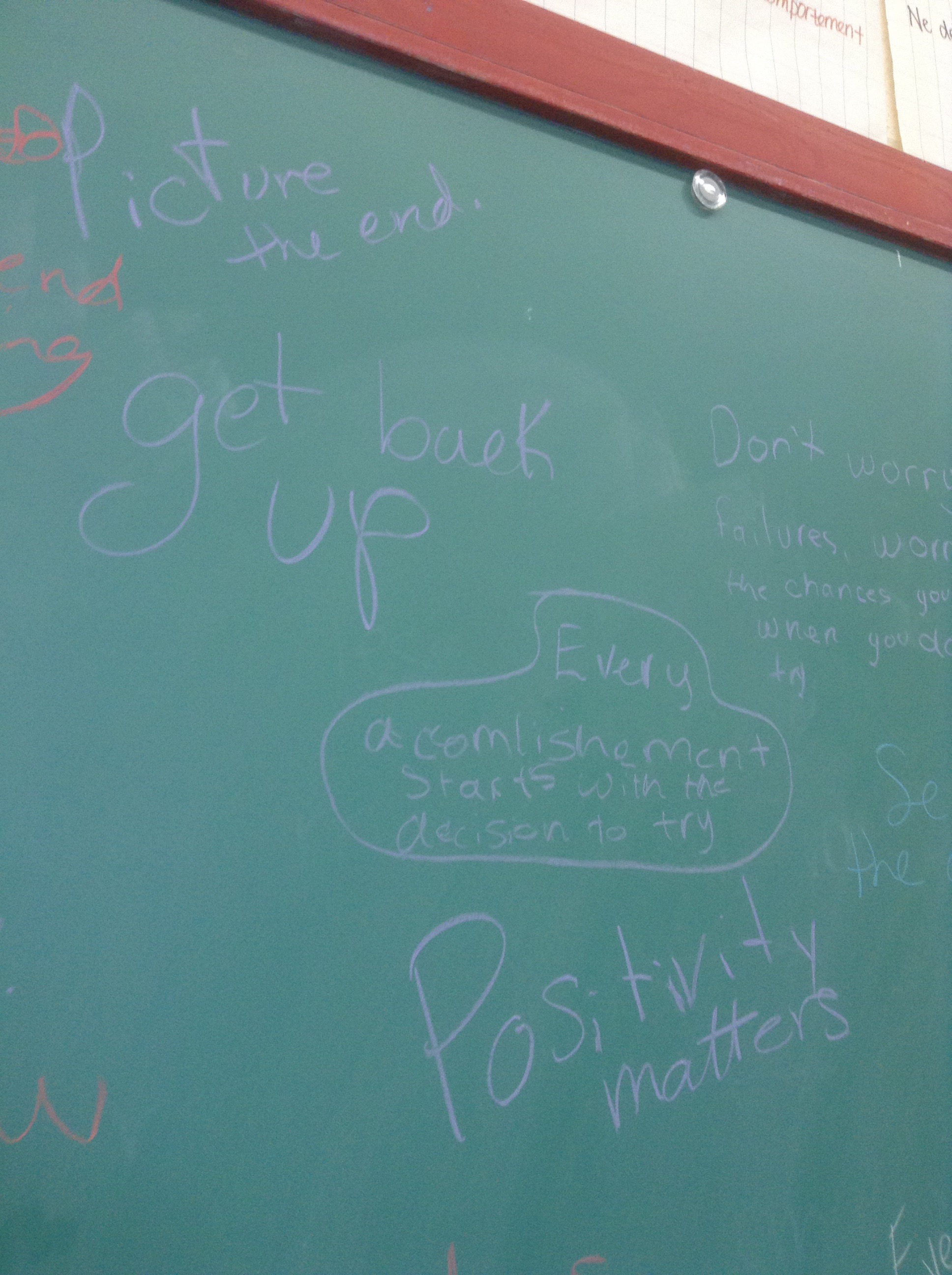
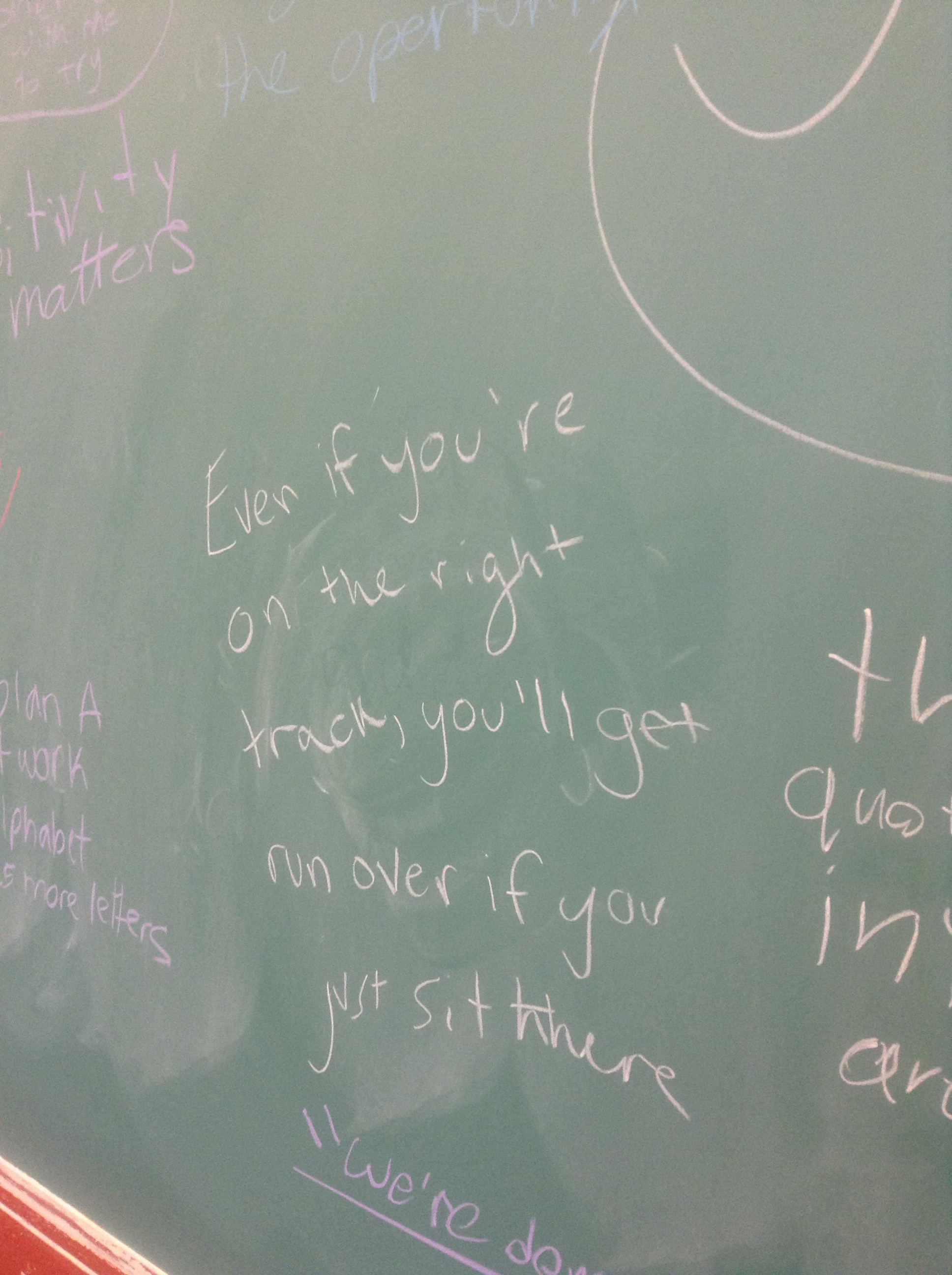
Inspirational Words
Everyone wrote some motivating and inspiring words on the blackboard before our quiz today. We are going to see if this can help reduce some anxiety around assessment.


Bean update
Here’s a blooming black eyed pea. Usually we dont have such luck!

Transversals and Angles
We put painters tape on the wall to make an X. 
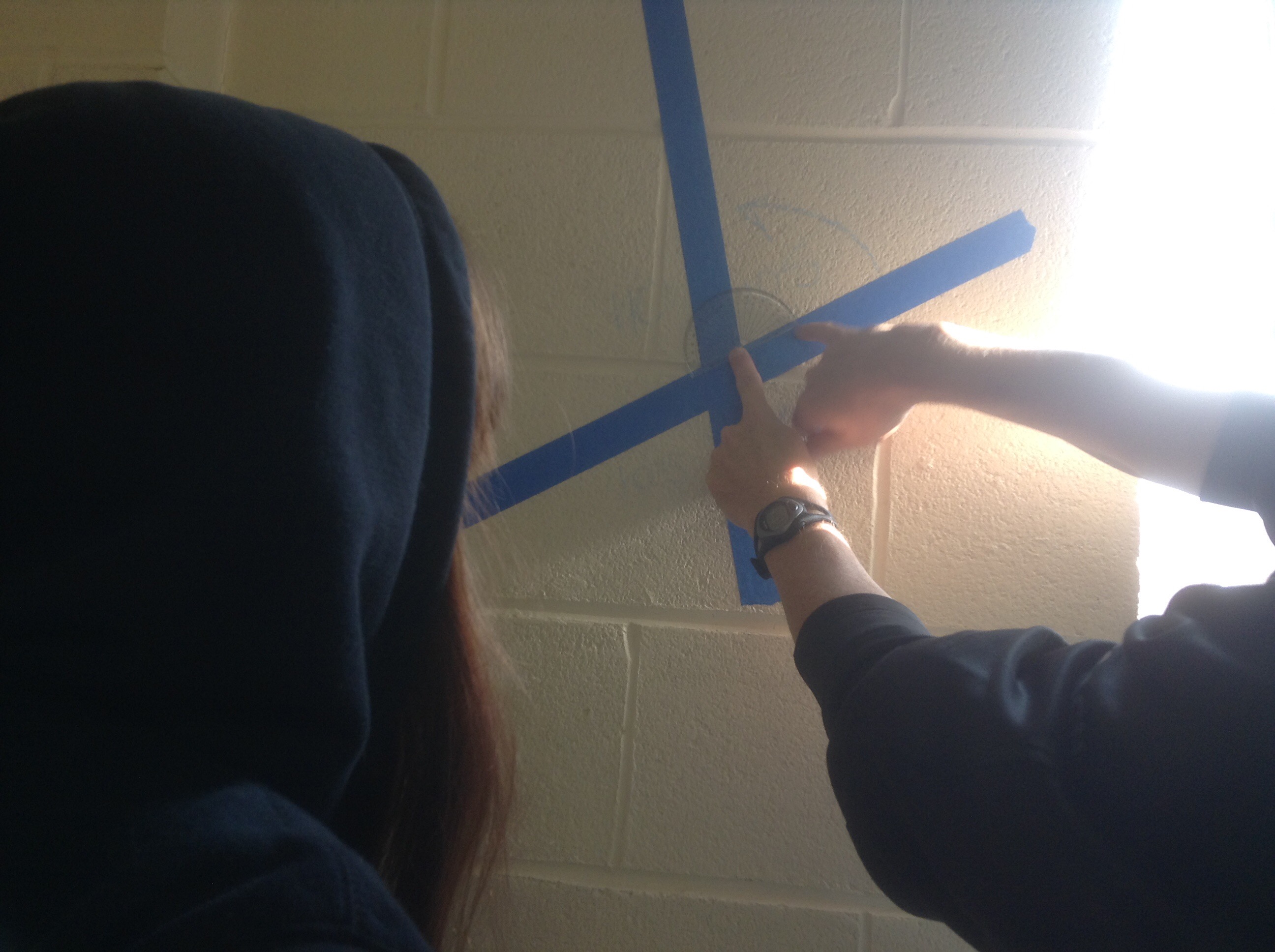
We looked at the opposite angles and measured them. We noticed that they are the same!
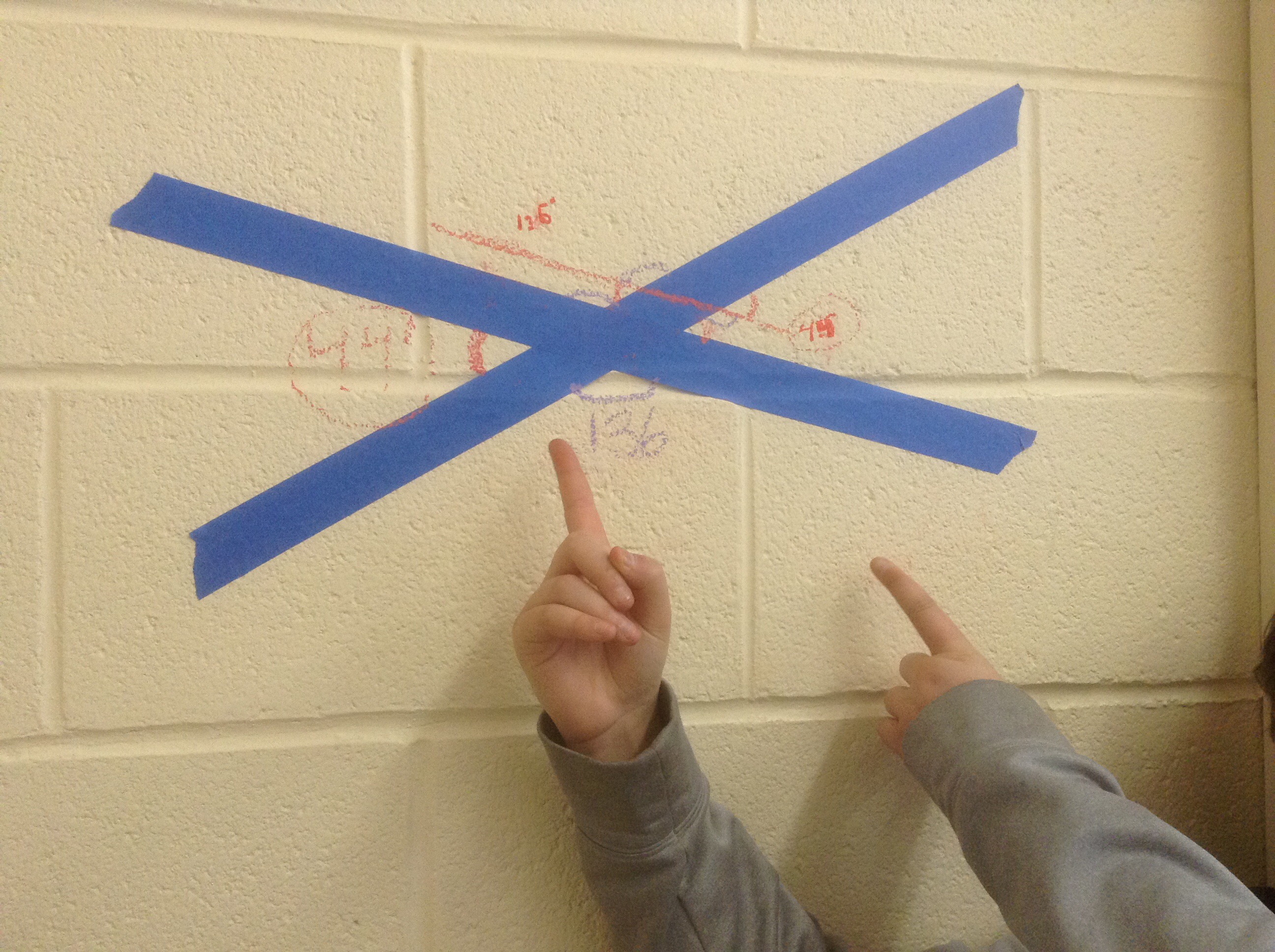 We then drew lines that were parallel. They needed the same angles! The obtuse angles were the same and the acute angles were all the same. Also the acute angle plus the obtuse angle was 180 degrees.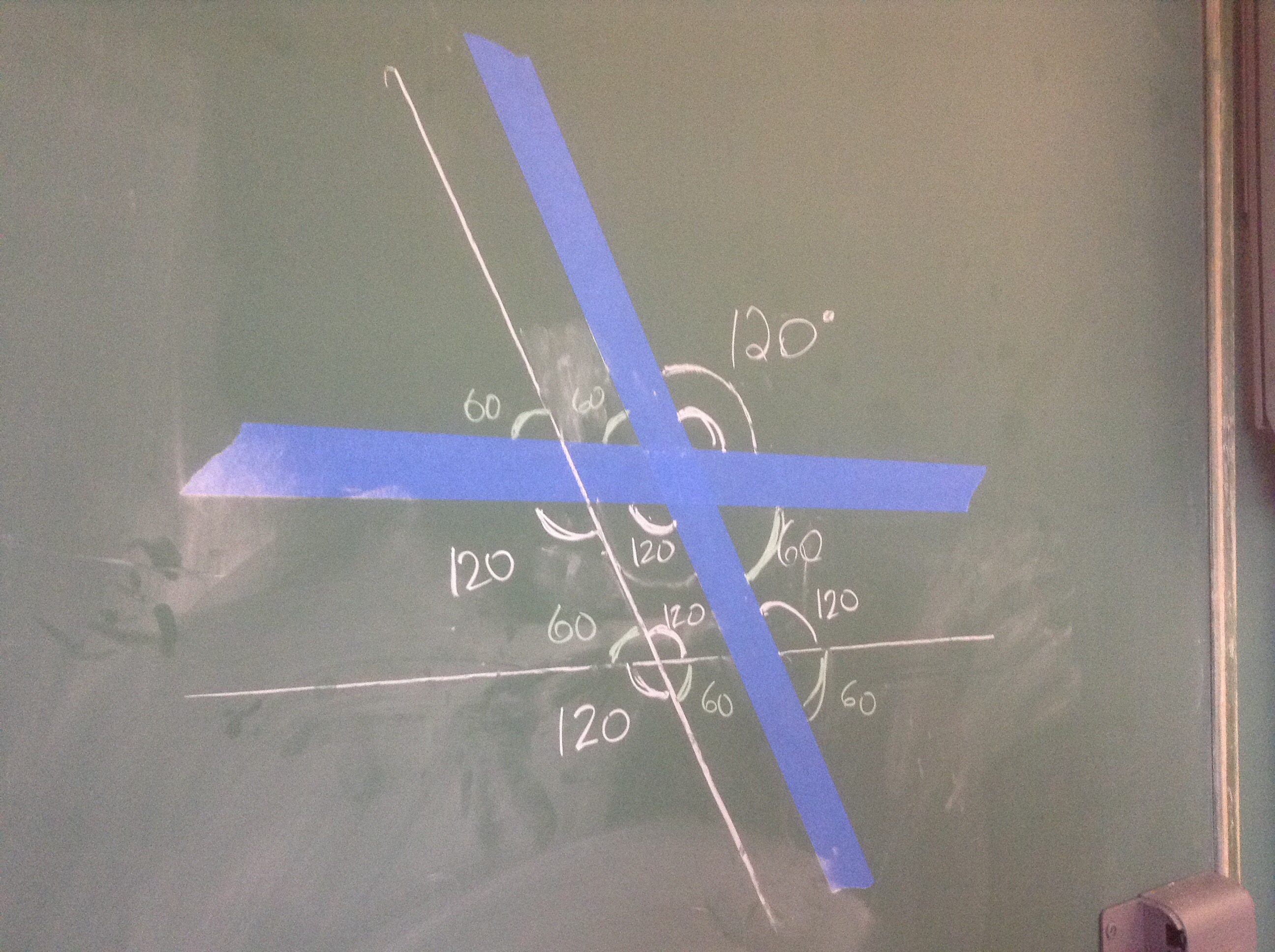

Test Preparations
We are working hard to prepare for tests tomorrow.
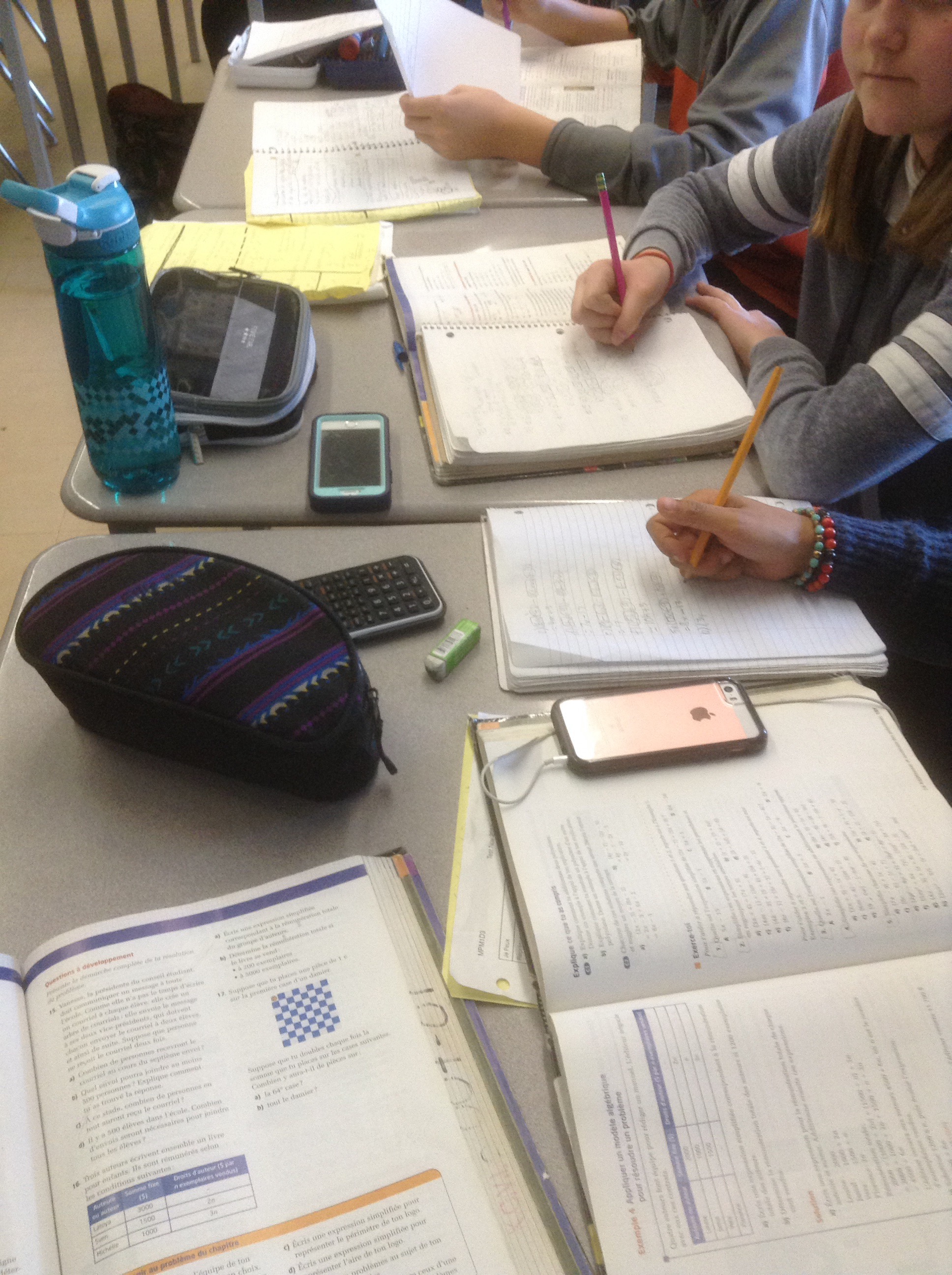
We are making sure we can do all types of problems, and asking for help from our peers when we’re stuck.
Angle Week!
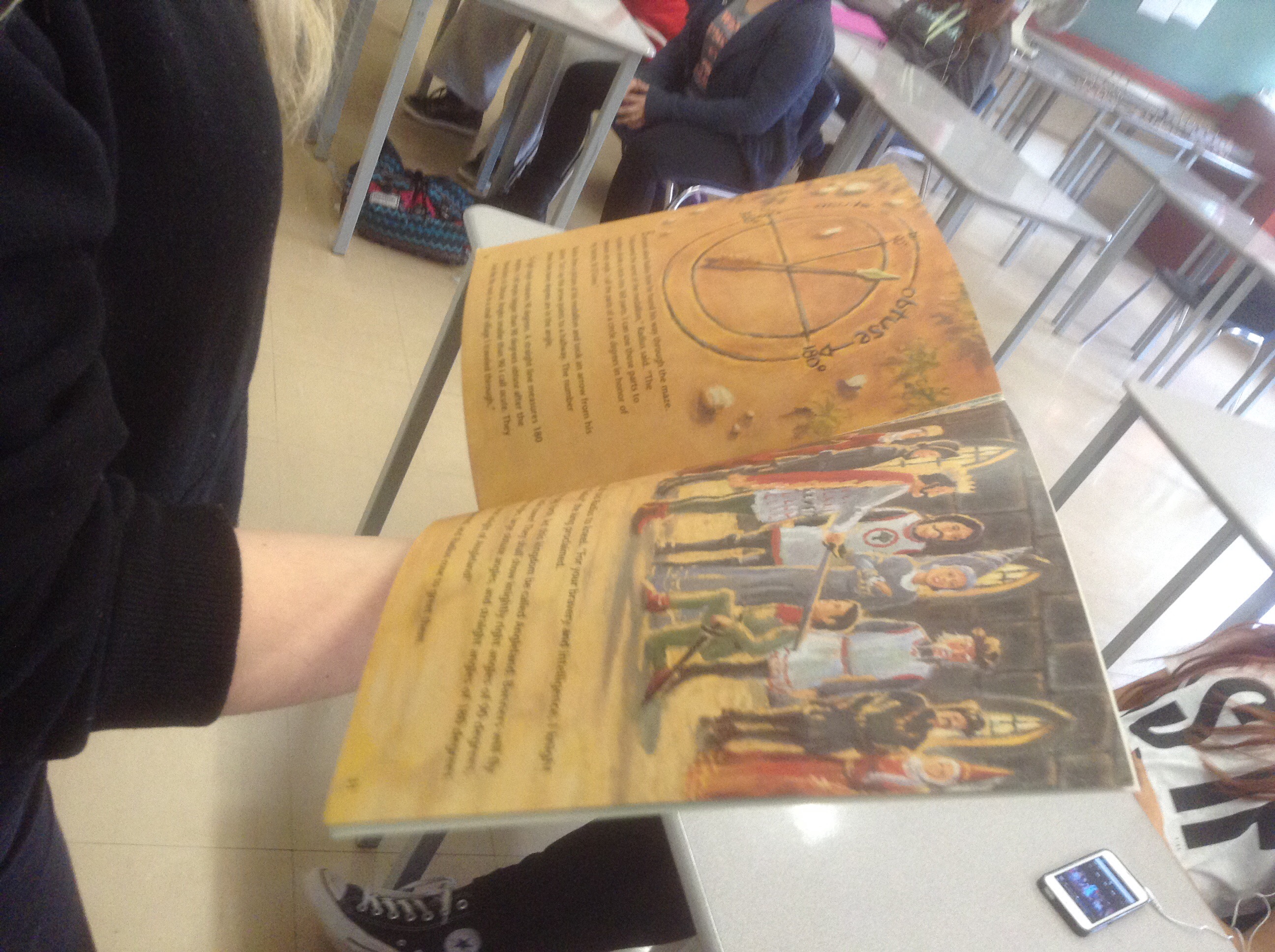 We kicked off our angle week festivities with a reading of “Sir Cumference and the Great Knight of Angleland”. Many thanks to our enthusiastic student readers.
We learned and practiced how to use a protractor to measure angles in a triangle. We also discovered that the sum of the angles in a triangle is 180 degrees.


