Speed dating in grade 10
We worked today on solving problems involving distance, midpoint, medians, perpendicular bisectors, and triangle/quadrilateral types.
We worked with the person across the table, and together solved the problem. One of the pair stayed to be the expert while the other side then shifter one person to the right. 
We got a chance to work with many different people, and different questions. We each got turns being the expert too.
We’re getting ready for our test at the end of the week.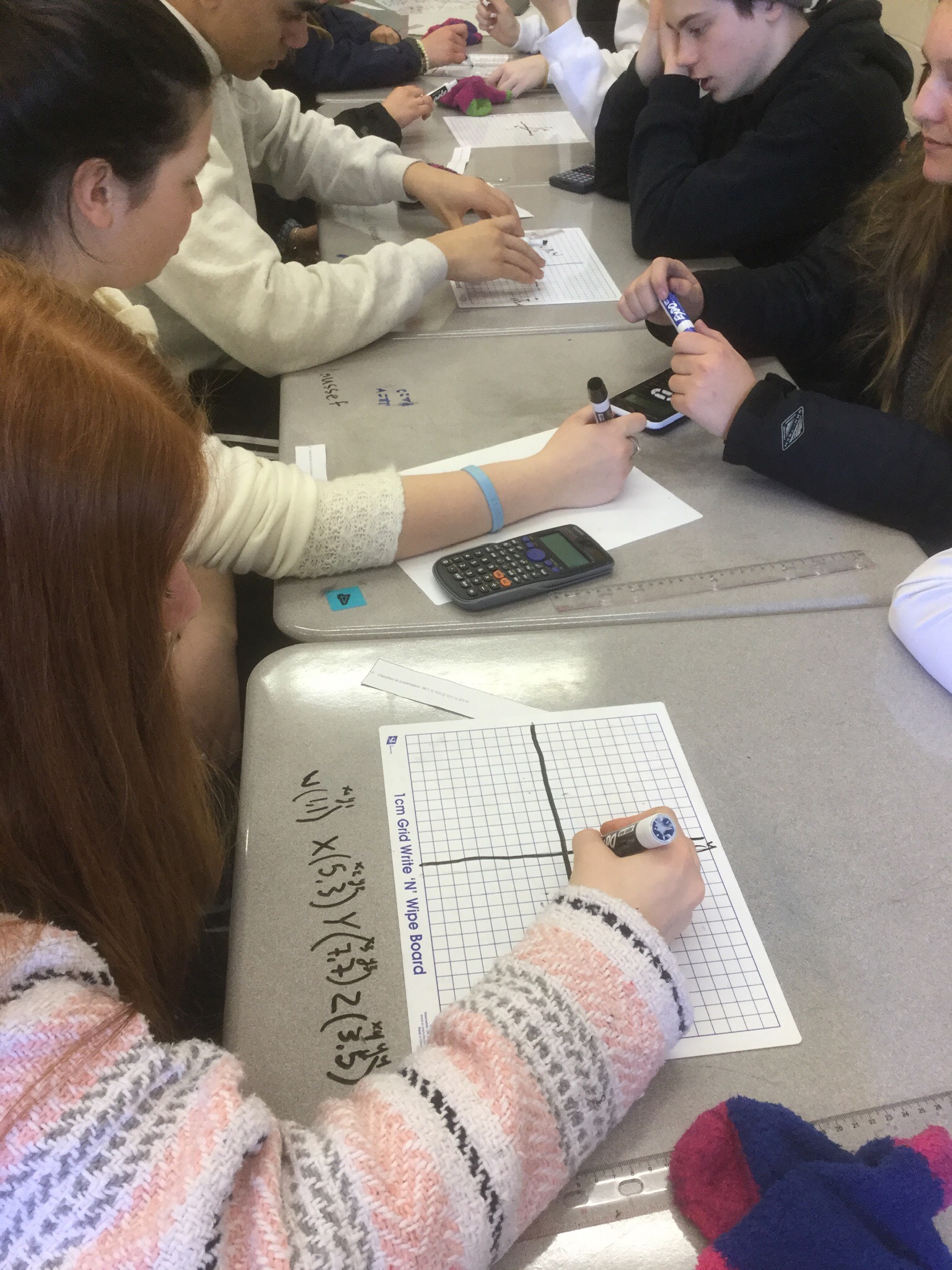
Preparing for our next portfolio task
We looked today at how to create an organized piece of writing that addresses all areas ur portfolio prompt. We need to discuss how we can choose and use appropriate formulae for calculating perimeter, area and volume, and also how to connect the algebra and geometric representation of expressions with exponents.
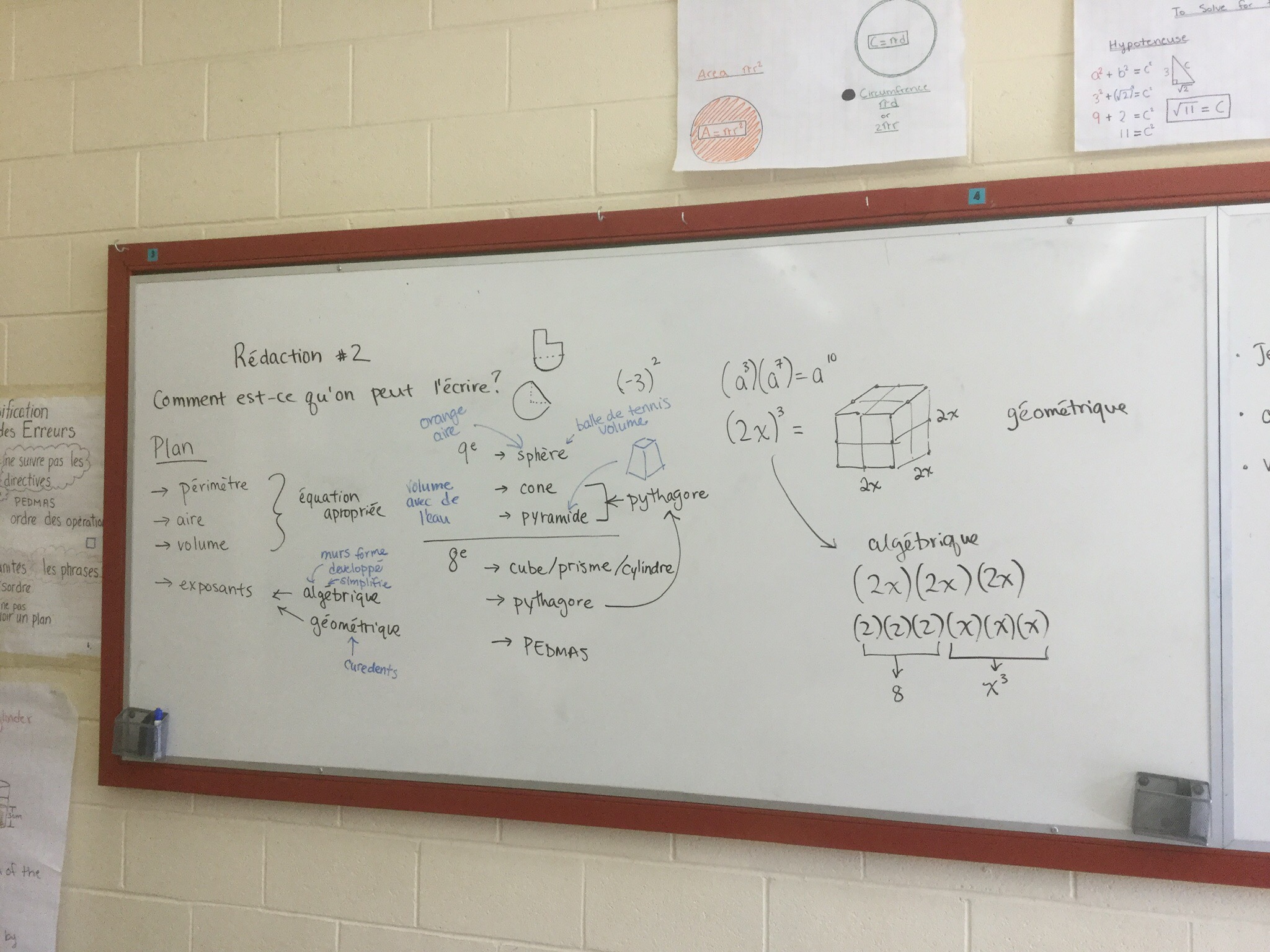
We brainstormed, and then we looked at which examples we might include, and how we could add in some reflections along the way.
Modelling polynomials in grade 12
We have been looking at polynomial functions for the last few weeks. We are getting comfortable with the equations in factored form, and understand how to draw graphs.
Today we looked at tables of values, and the information held within them.
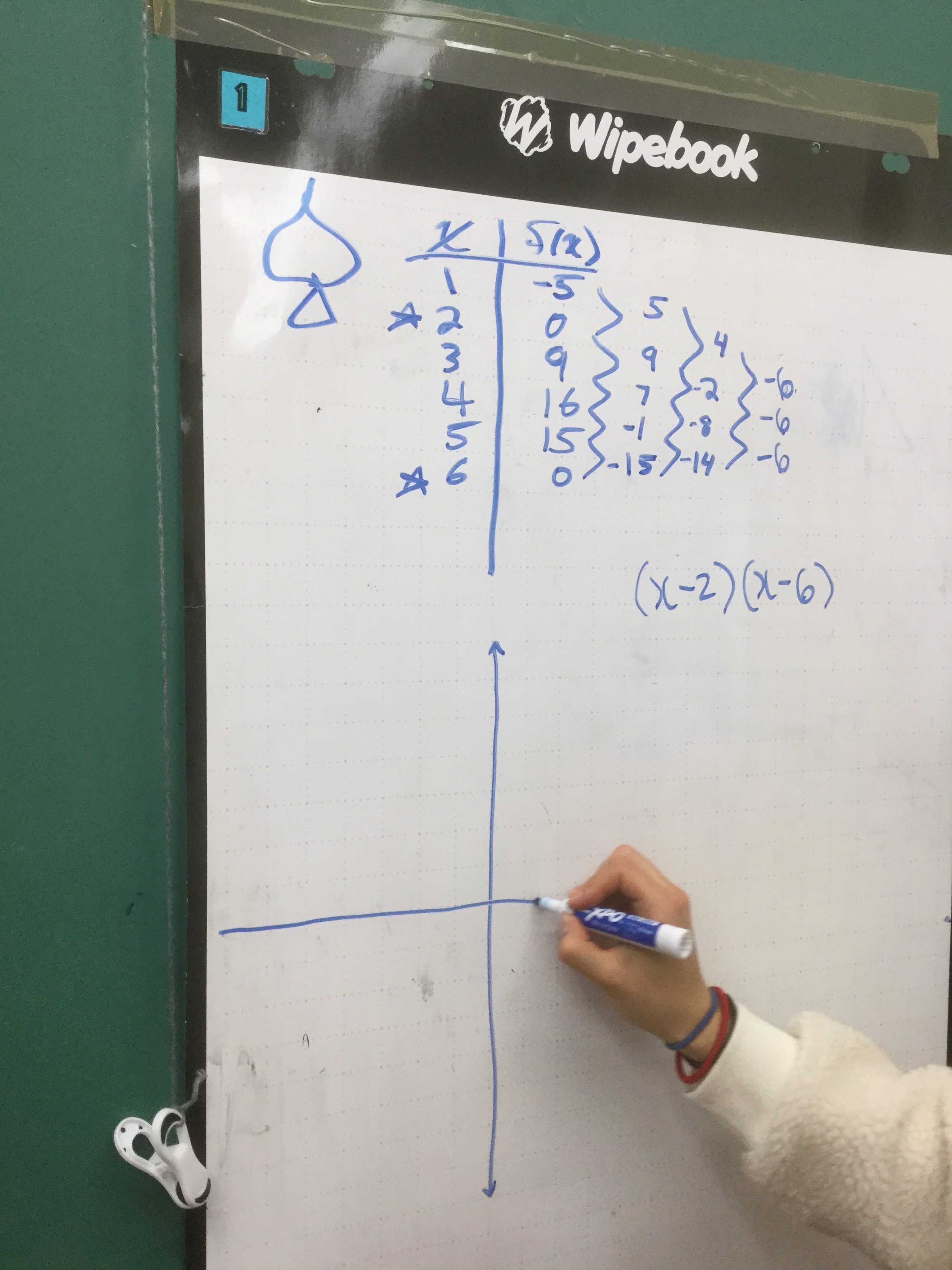
We looked for zeros, we noticed which of the finite differences is constant…
We drew graphs, and worked on making equations.

We determined that the constant 3rd difference played a part in determining the “a” value of the polynomial.
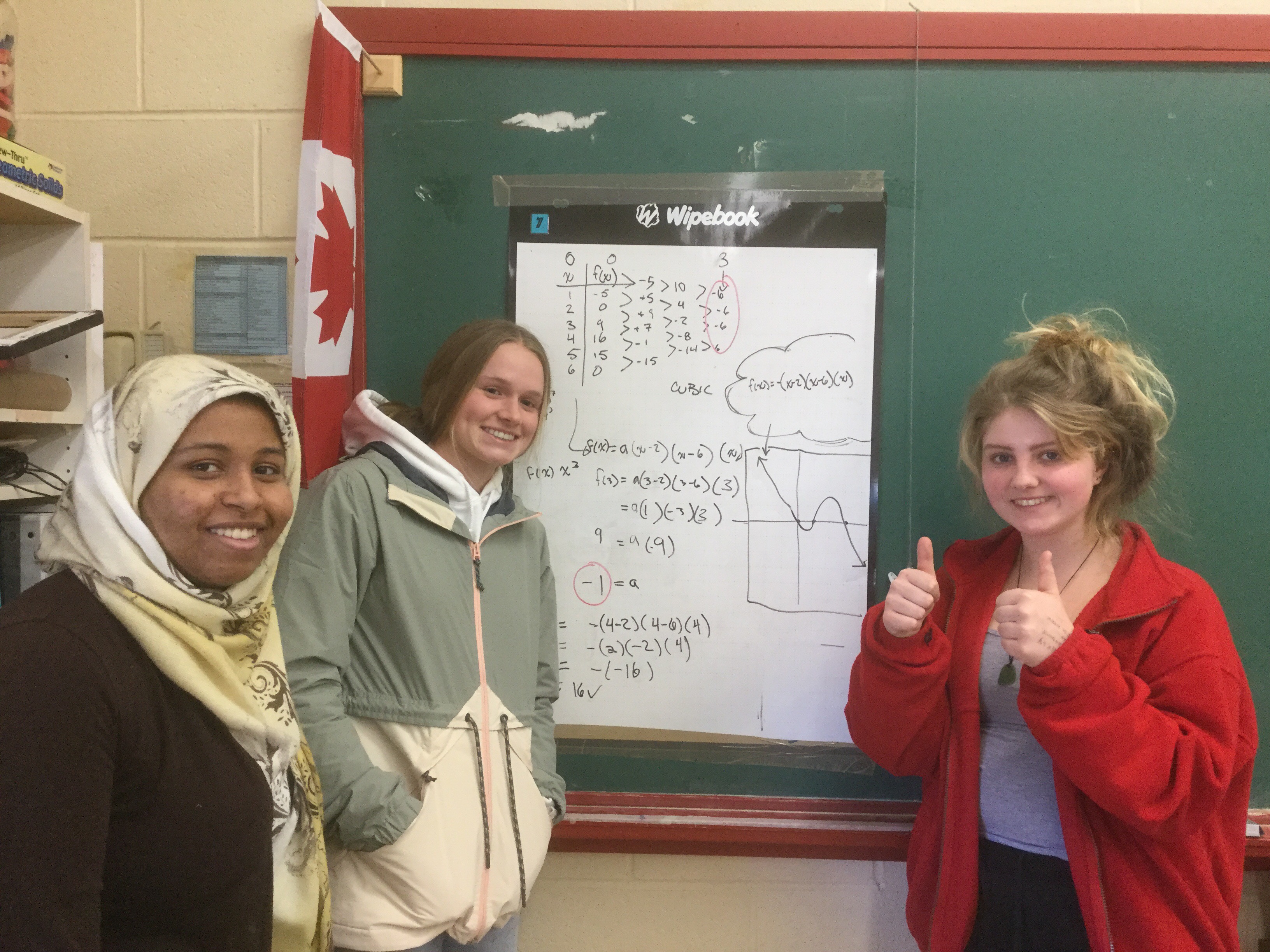
In fact, we determined that the constant differences in cubics, quartics, quintics etc all played a part in calculating the “a” value

In fact, the coefficient of “a” as shown above is equal to the factorial of the nth difference (the difference that is constant). For a quartic, n! Would be 4! Which is 4x3x2x1=24
So, if we find that the 4th difference is constant, and the value is -12 we can determine the leading coefficient (the “a” value) by recognizing that it is a quartic, so 4!a=-12 which means 24a=-12 so a=-0.5
Our problem that we ended class with dealt with pyramidal numbers.

We want to determine f(n) and f(18).
Speed dating in grade 9
 We worked in pairs (across from each other) to solve a problem involving building a model of an expression using exponents, and another with a simplification problem.
One side of the table stayed as “experts” and the other side of the table shifted one seat to their right. They now did the question in front of them, with the help of the expert. 
Then the other side shifted one to their right, and tried the next question, helped by the expert who had just completed that question the round before.

This method of group work is called speed dating because you meet with a partner for a short time, and then work with other different partners over the course of the class. 
We’re clearing up misconceptions, and practicing different ways to represent expressions both with algebra, and with concrete models.
In other news: our beans are starting to sprout!

Grade 10 Investigation
We looked at where to locate the sprinkler head if we wanted to water plants that are at A B C and D. We used the intersection of the perpendicular bisectors to find the point equidistant to all 4 points.

Math Music Helps!
Yesterday we were factoring polynomials, and we heard the factoring gangnam style song.
Today we were working on some new problems, involving sum and difference of cubes, we wrote out the polynomial and used the factor theorem to attack the problems.
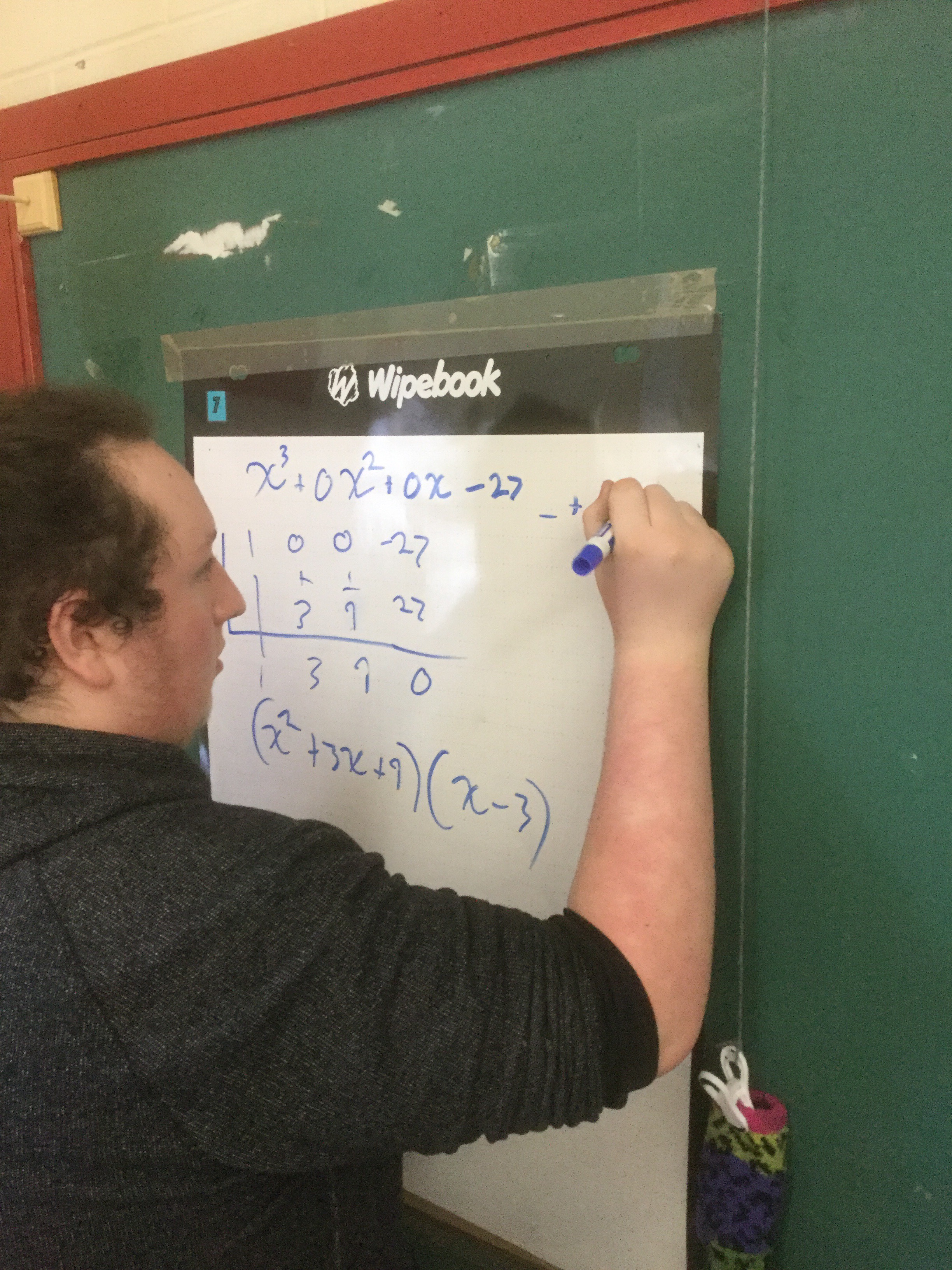
We looked for patterns, and made generalizations…and many students referenced using SOAP to help solve the problems
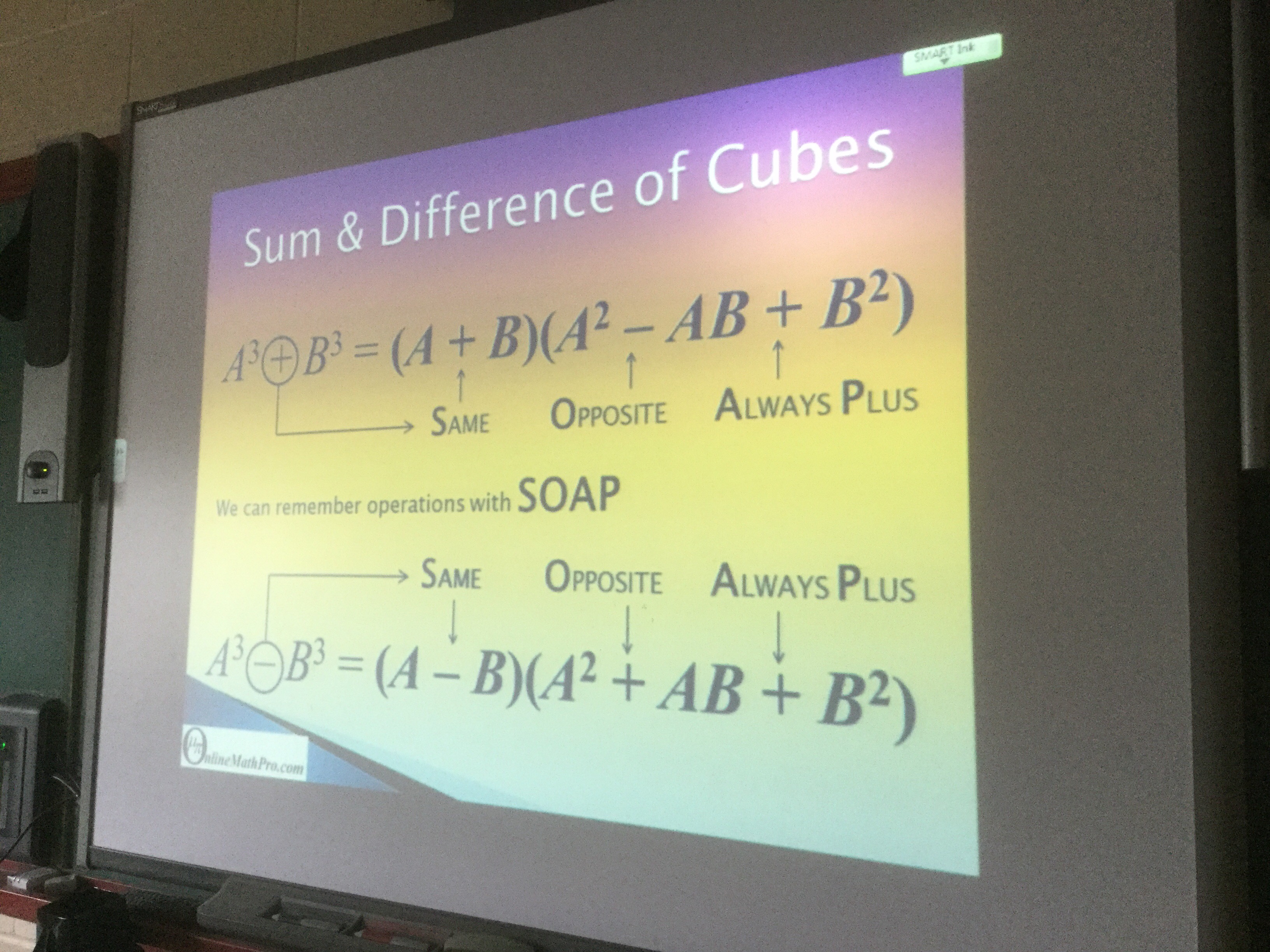
This was a reference from the wonderful song we heard the day before. Sometimes these catchy math songs can help us remember strategies and patterns.
Making plans for our portfolio submission
 Grade 9s are working on portfolio submission #2 all about surface area, perimeter, and volume, and understanding the connection between the algebraic and geometric view of exponents. We looked today at the important parts of their prompt, and how to be sure all parts get answered in their writing.
Word problems
Grade 10s are working on literacy activities a lot these days. Today we looked at word problems in math class and applied some literacy strategies as we read.
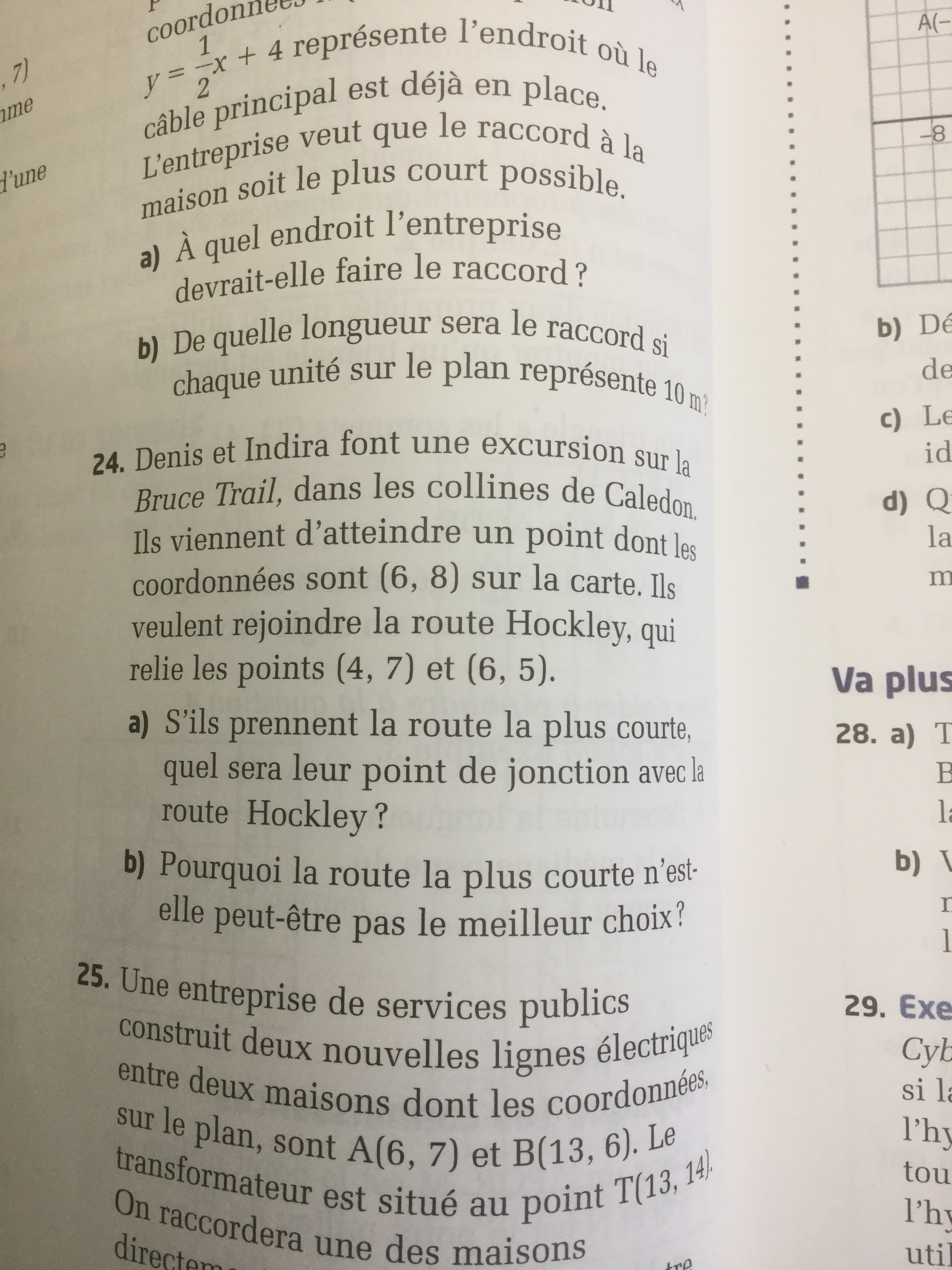
Step 1 is to read the problem a few times, and to try to make a picture to visualize the situation 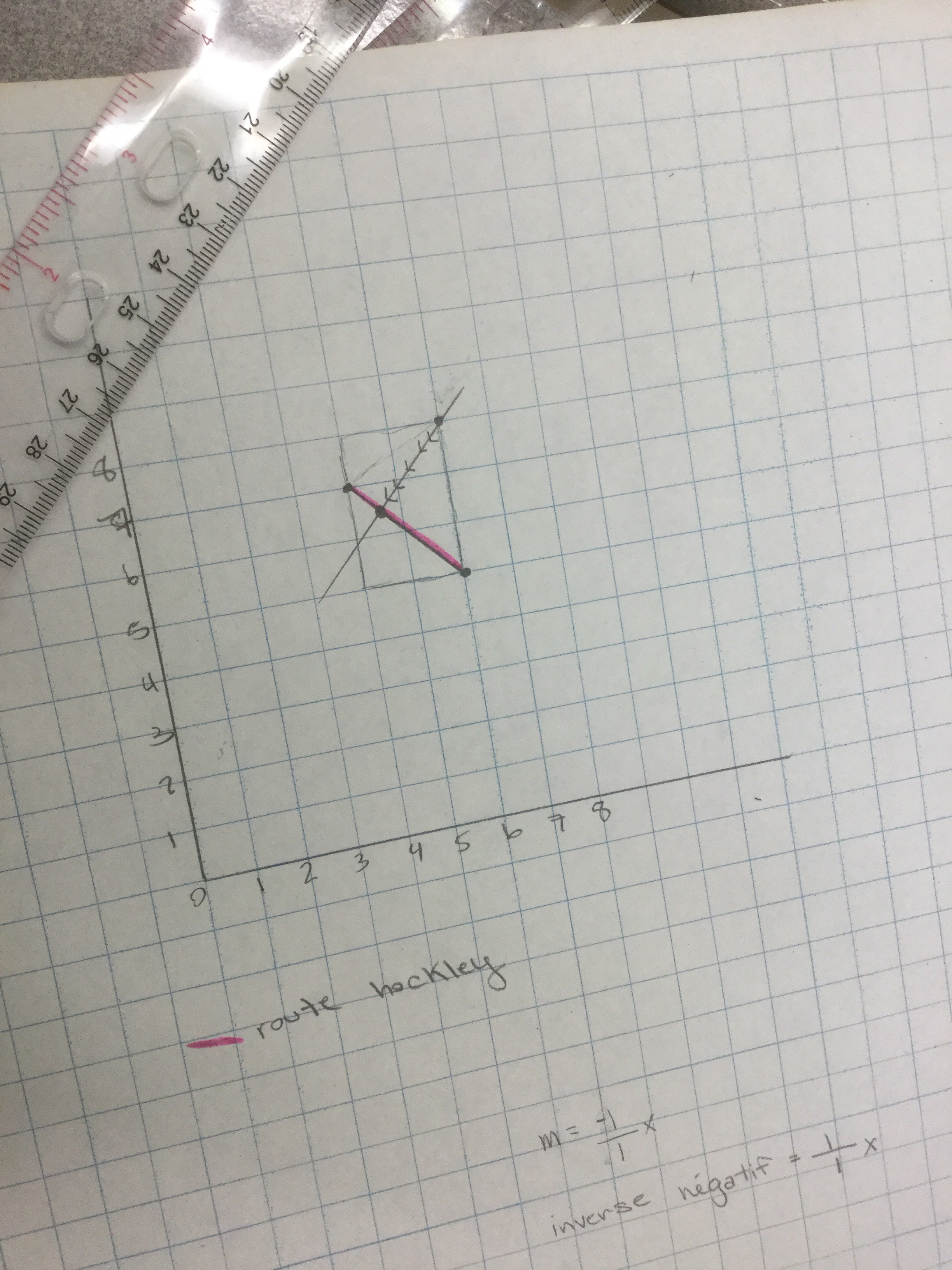
We need to then look at our information that we know, and make a good plan. We know how to calculate intersections, midpoints, slopes, distances….we just need to figure out what points to use, and what steps help us down the right path.

For some questions, the vocabulary was tricky, and we needed to use our resources to determine word meanings, and look for clues in the context. We also needed to justify our reasoning, and explain our answer for part d. Sometimes there is a lot of language needed for math class!
Evaluating, Expanding, and Simplifying
Grade 9s worked on understanding the difference between evaluating, expanding and simplifying expressions with exponents today.
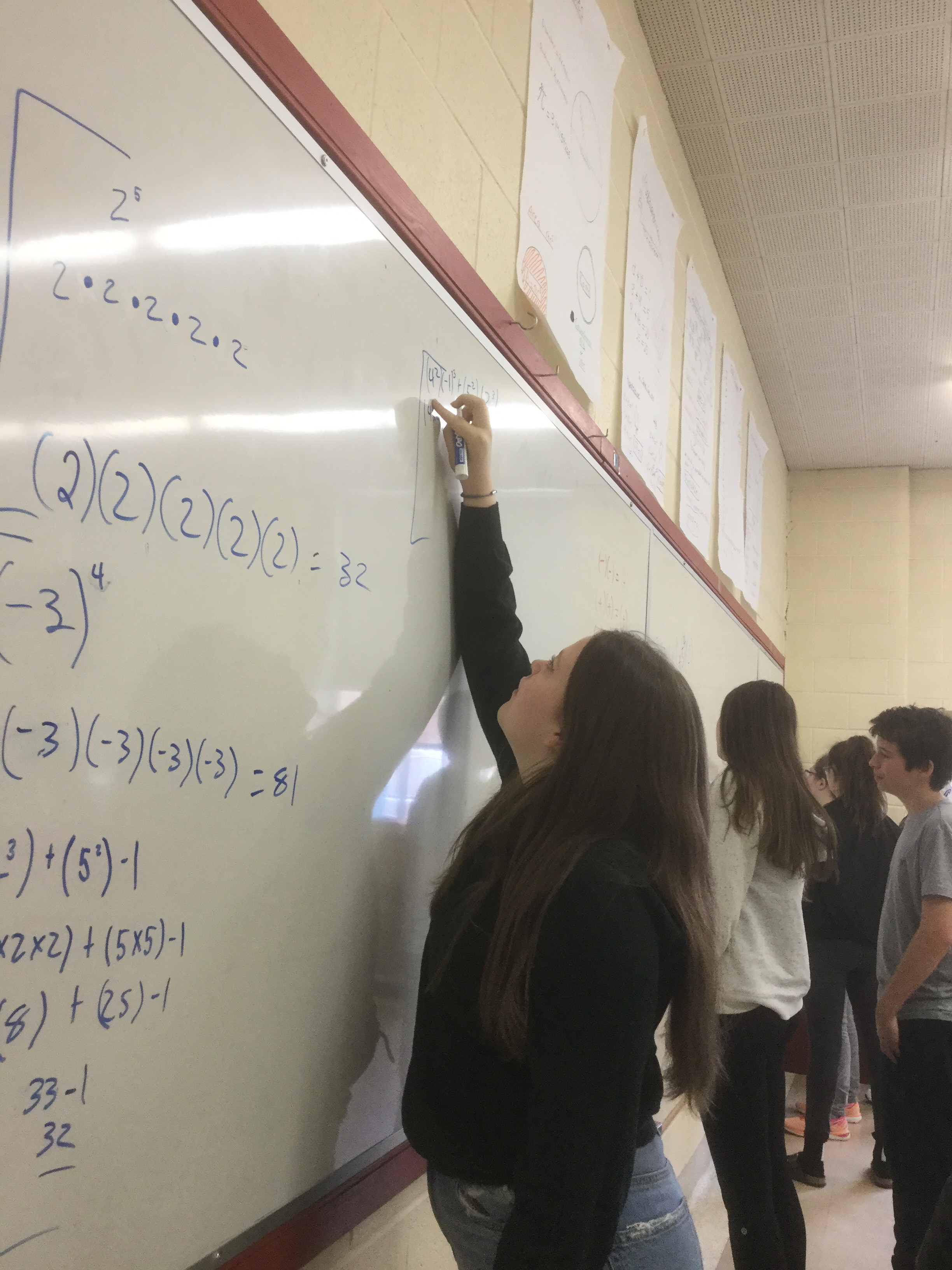
We worked with positive and negative bases, and had order of operations questions in the mix.
While we looked at order of operations, we found that a few key ideas needed some reinforcing. We looked at how we can represent our work with integers on a number line, and with coloured tiles.
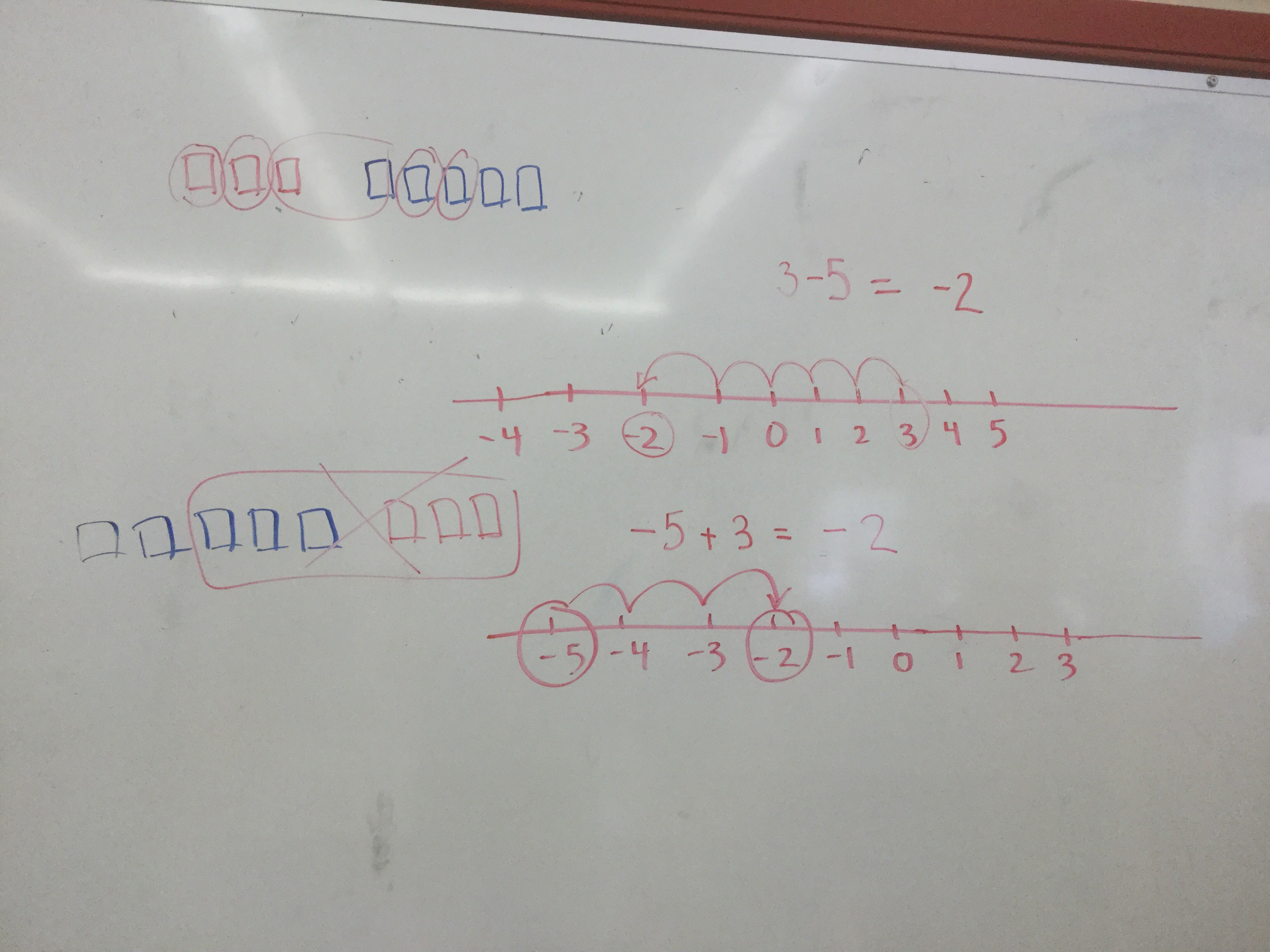
We also looked at rules for multiplying with positives and negatives.
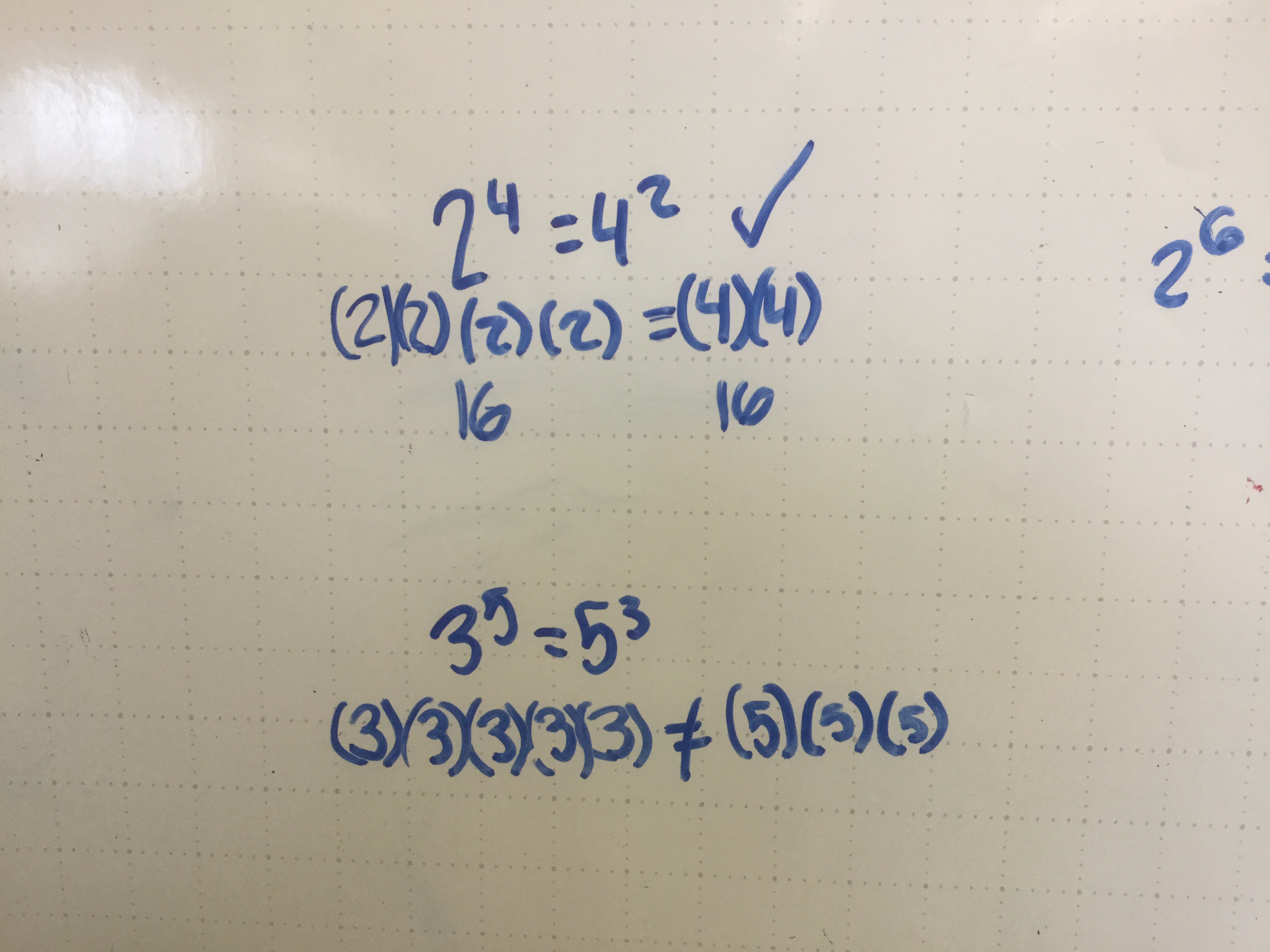
We tested some theories…
Learned what calculator buttons to use…
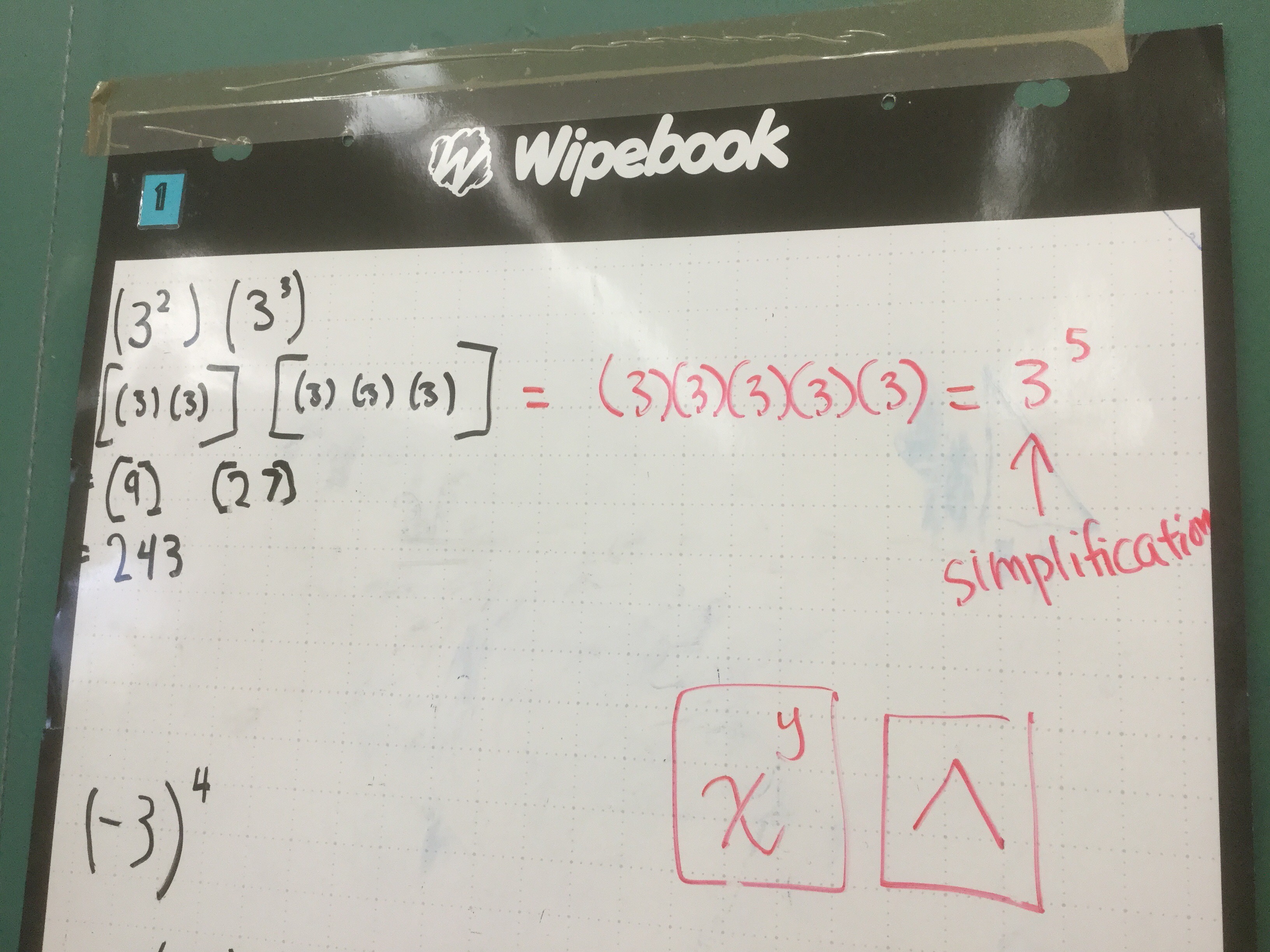
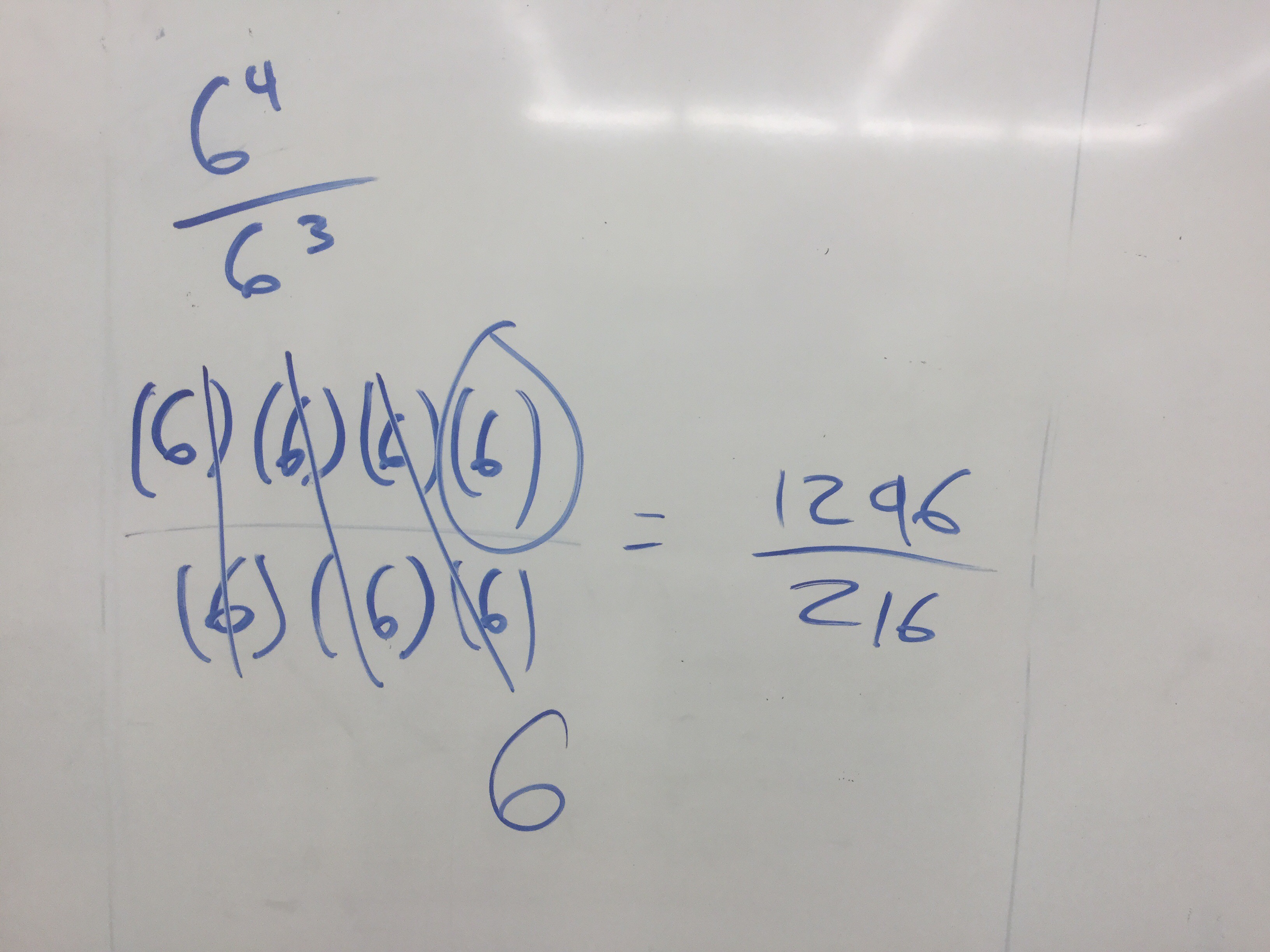
Figured out exponent laws for simplifying…
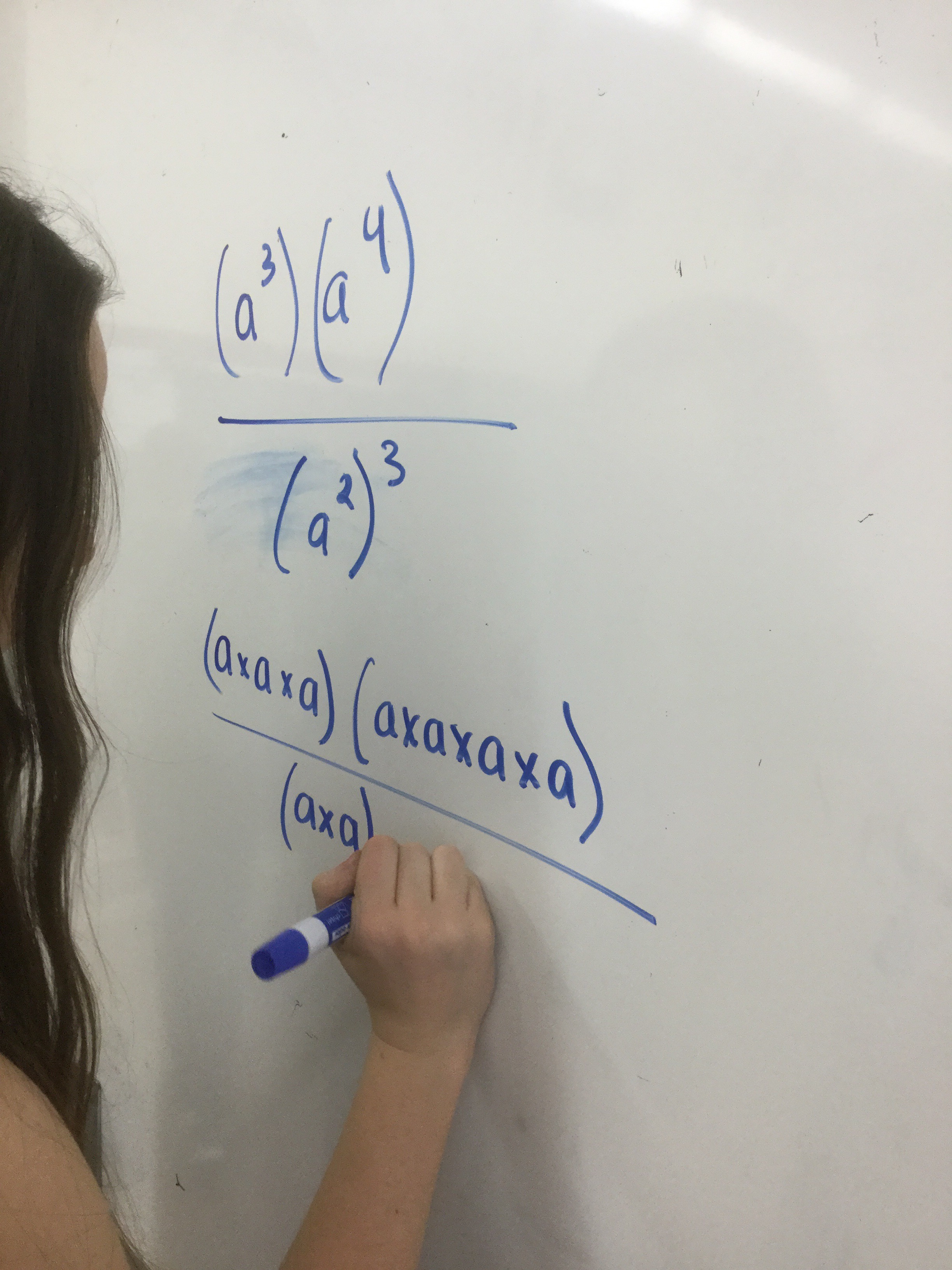
And finally transferred our skills to questions that had variables as the base.
We are working on approaching new challenges with confidence, checking our answers to see if they are reasonable, and working with peers to fix mistakes that we find.
We’ll have a quiz tomorrow to check our understanding!
Visualizing Exponents in grade 9
We are working with areas and volumes and now starting to explore how exponents can represent areas and volumes.
For example, we’ll call one tooth pick x, then this is x squared. The exponent tells us it will be 2 dimensional, and the base of the exponent is x, so that’s the dimension of the square.
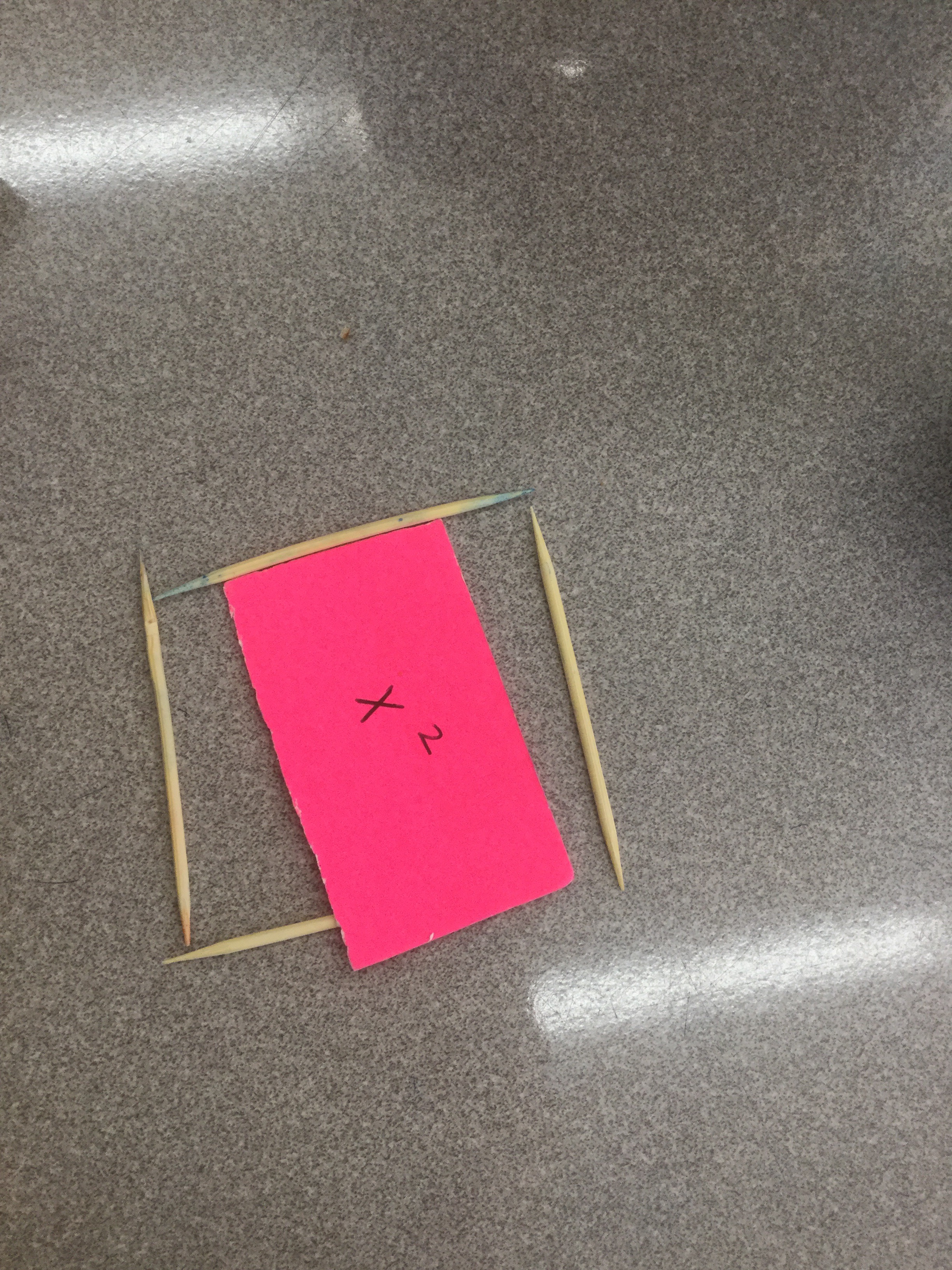
It gets more complicated if we have different dimensions. Here’s a square with side lengths of 2x. The 2x has to be the base of the exponent, so we put it in brackets to show that.

Here’s (2x)^3 or
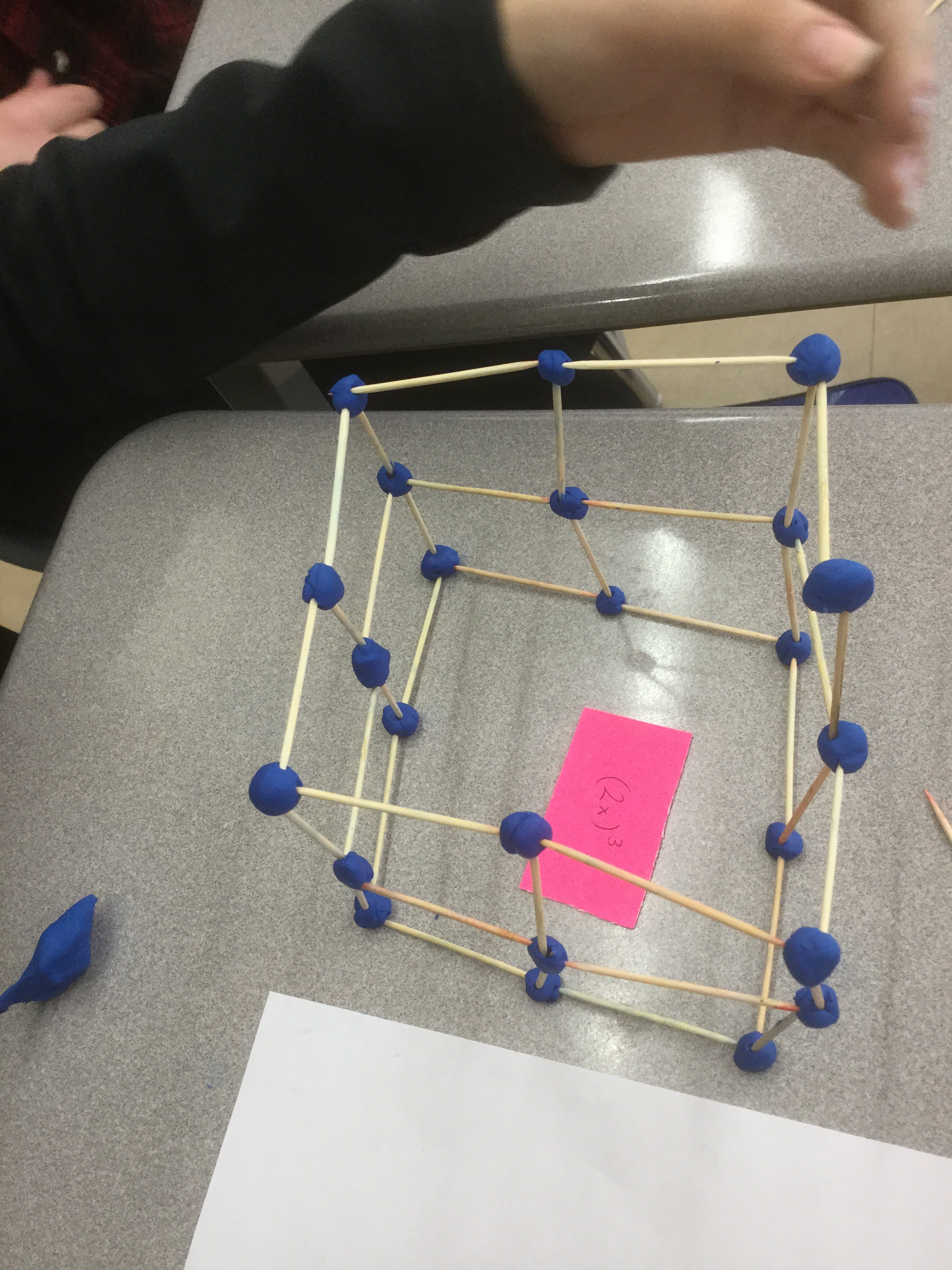
We explored a wide variety of expressions that are 2 dimensional and 3 dimensional, with brackets and without.
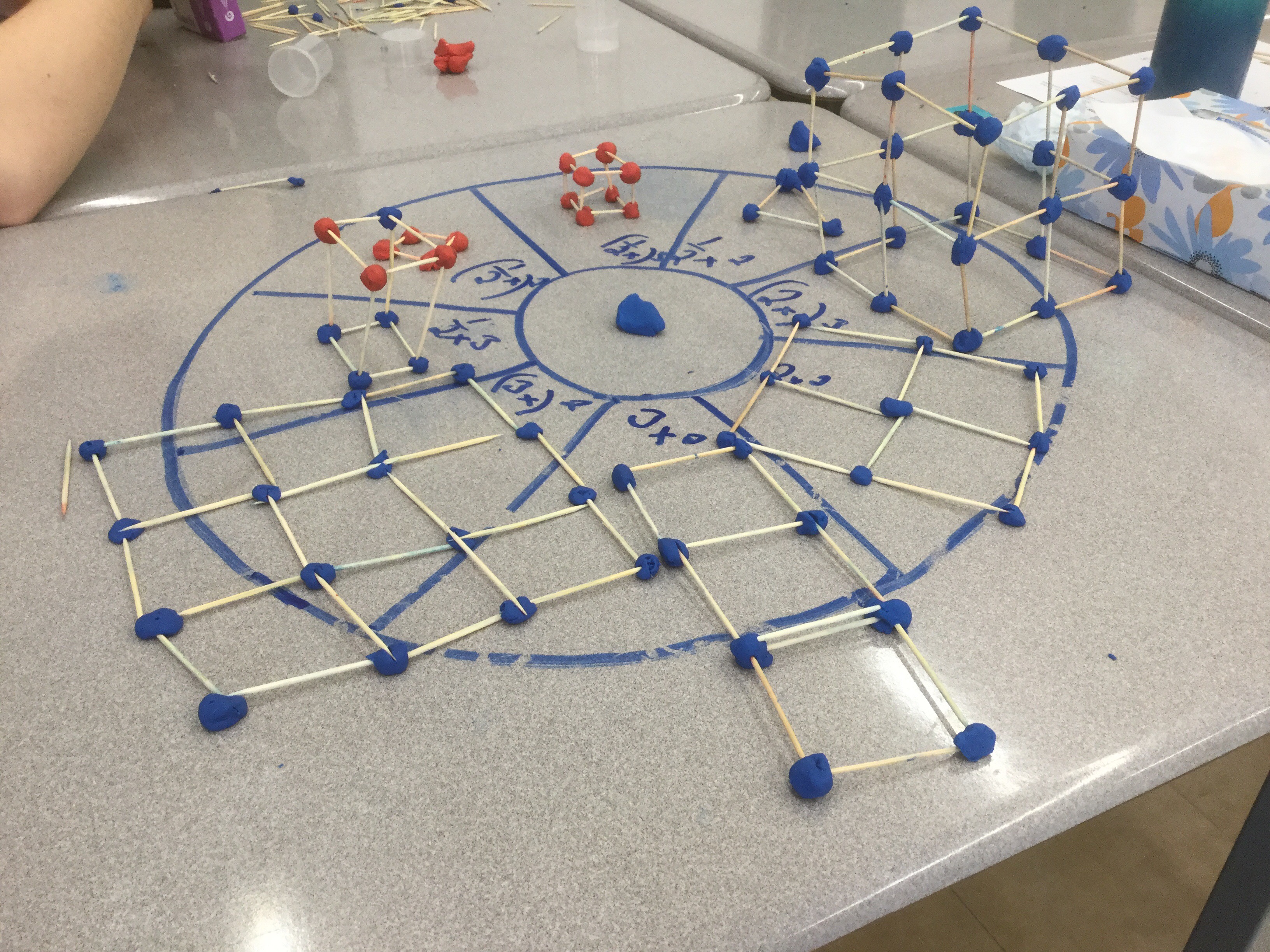
Having a good visual understanding of what exponents mean will help later on!
 Ms. Bearse's Site