Celebration of knowledge
Grade 10s had a summative today. We called it a celebration of knowledge, to maybe make it less scary than a test.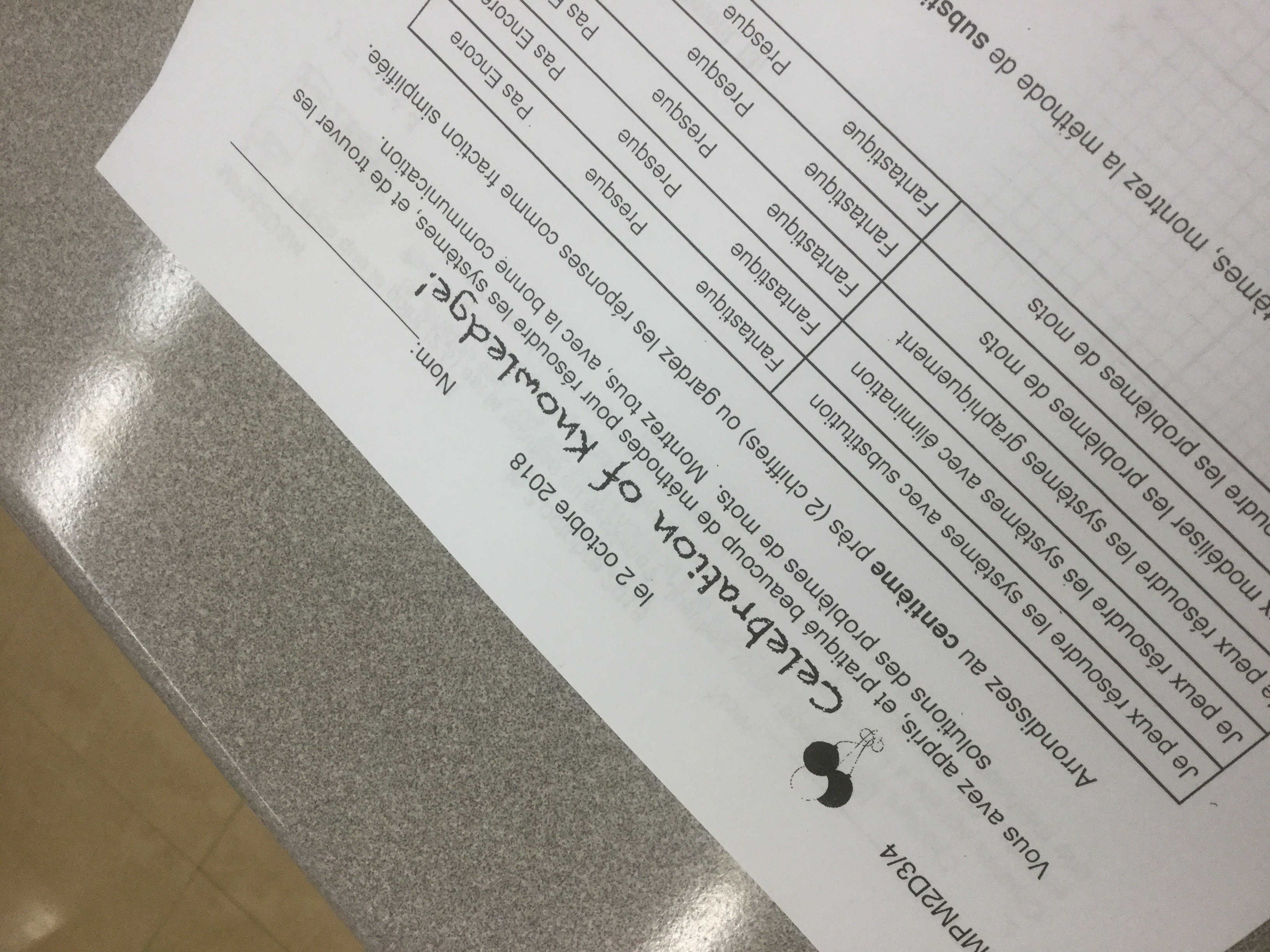
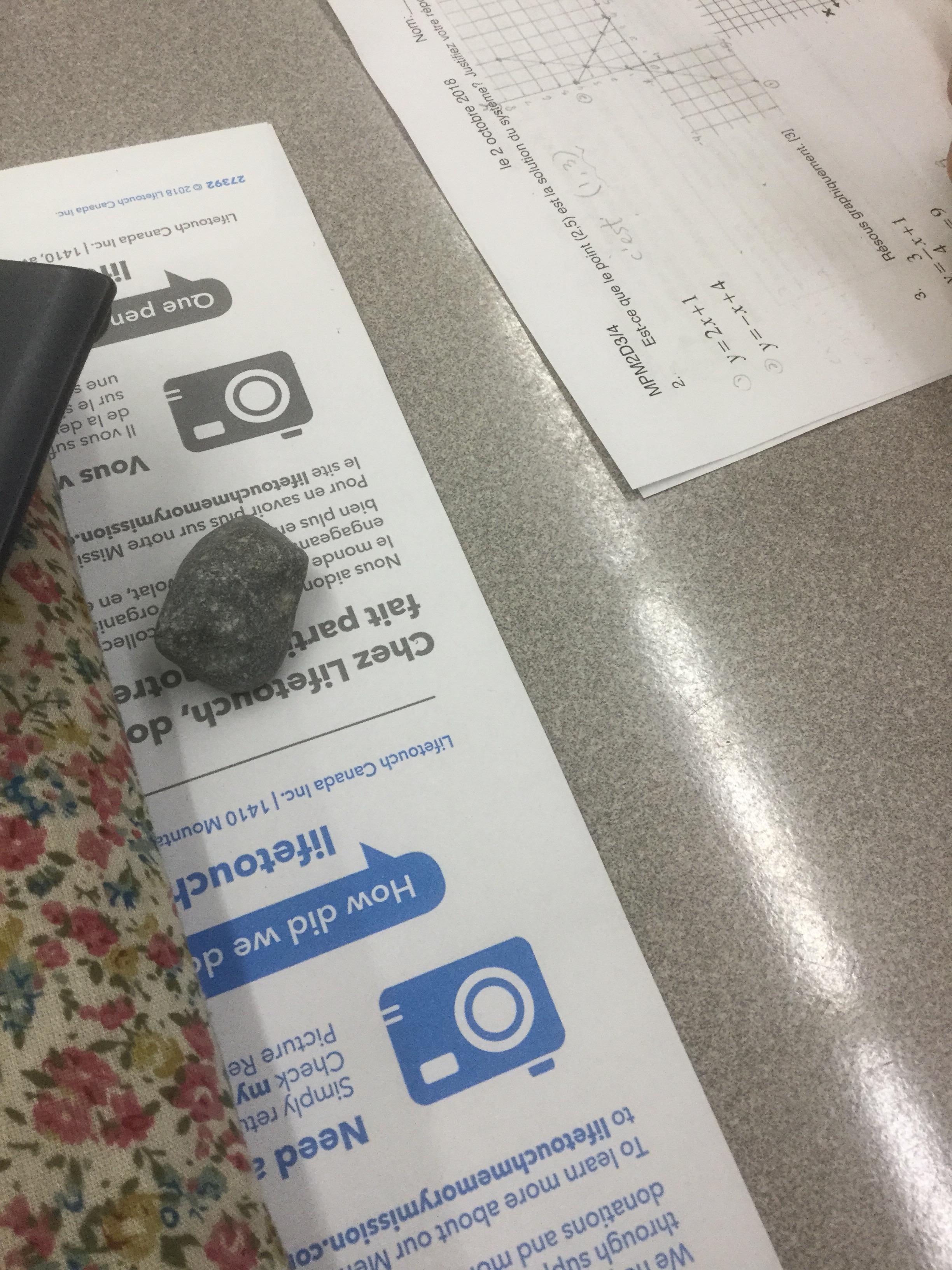
We got out our “roche dans la poche” worry stones, and did our best work.
We also had cake, because that makes it feel more festive, maybe…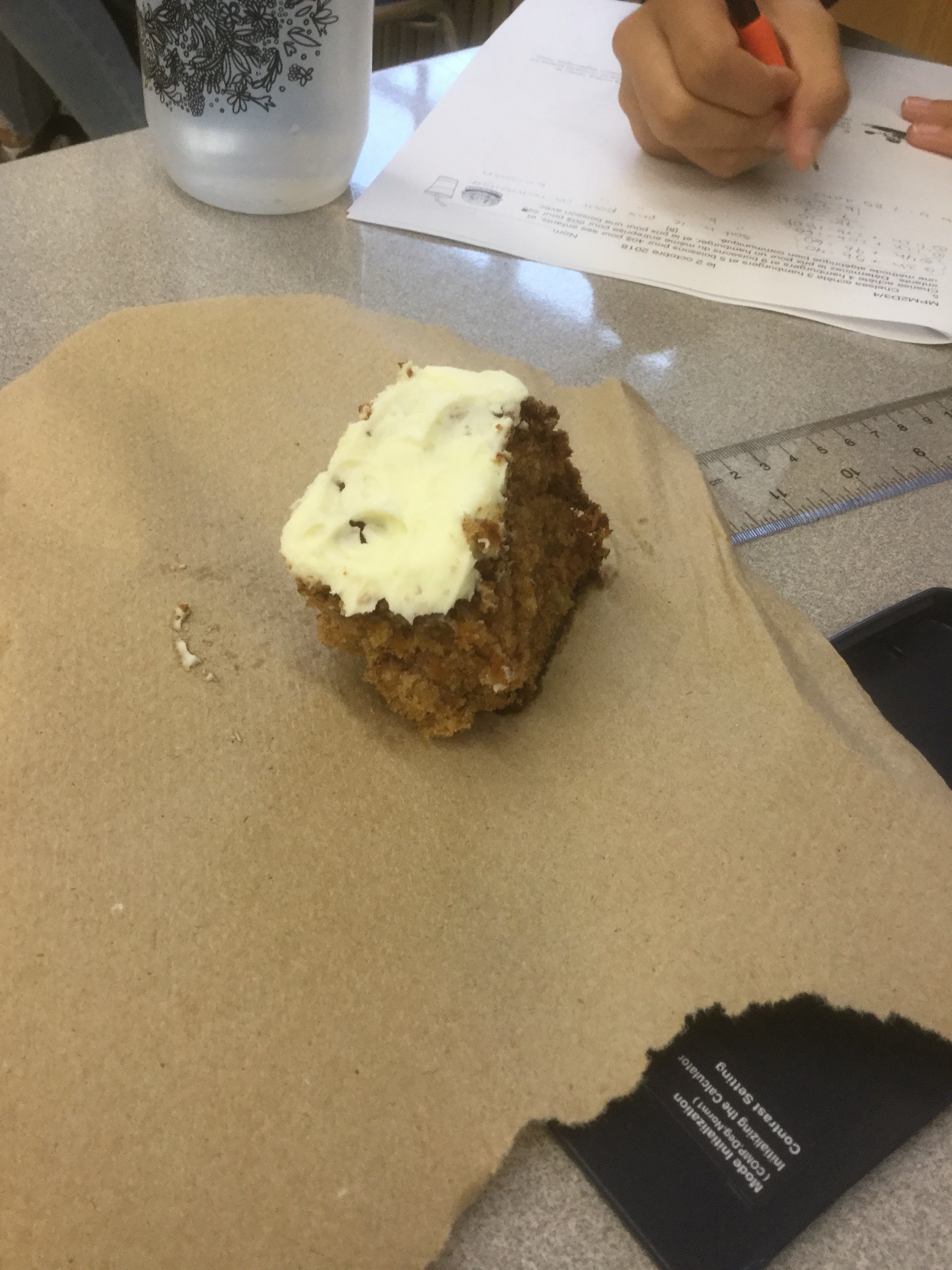
The first summative is always an interesting experience. We know that there’s lots of room for growth, and we can always get better at time and stress management. It is important to also recognize how far we’ve come since September, or even how far we’ve come since last year.
Busy day in grade 9
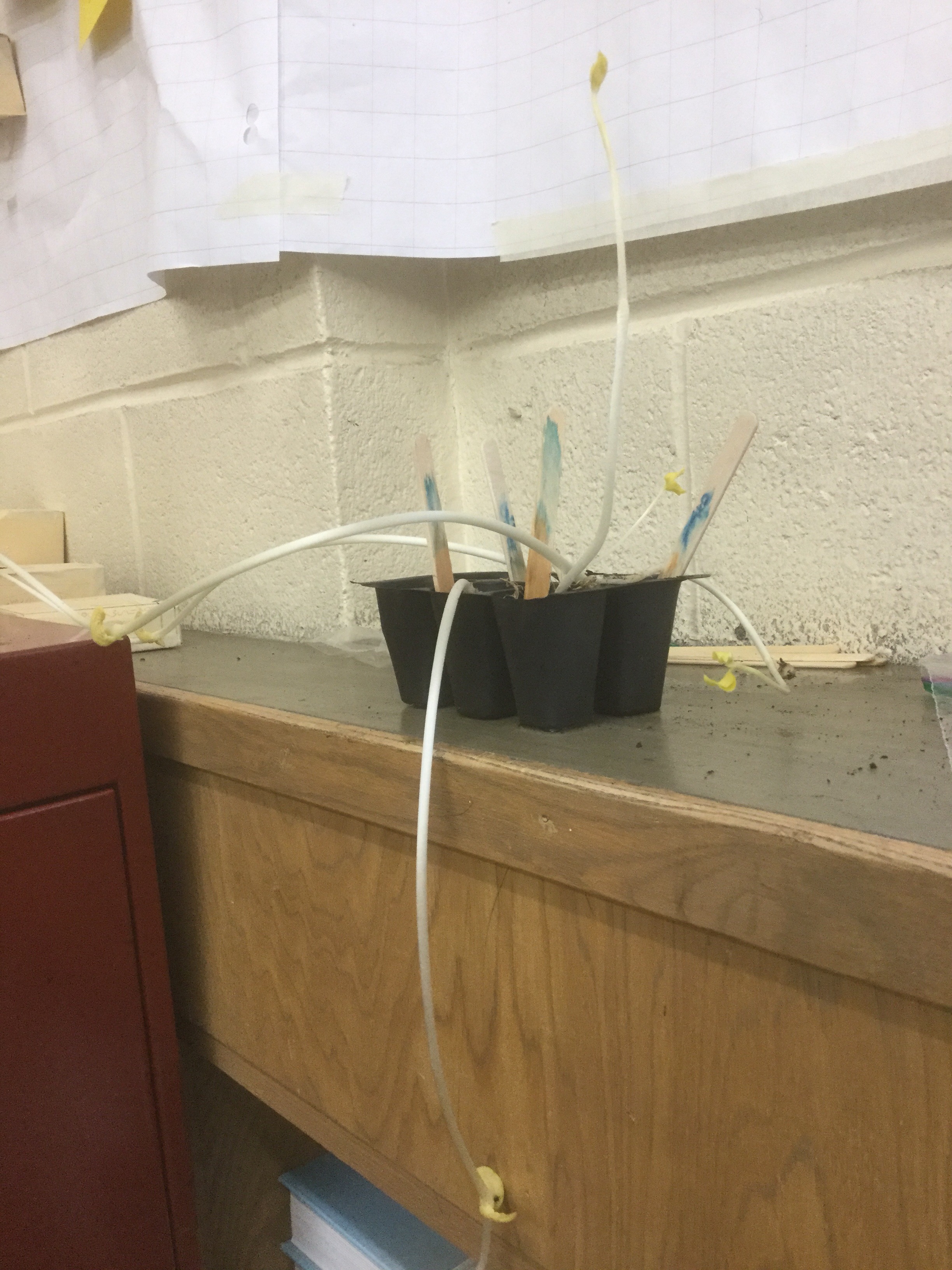
First of all, look at those beans!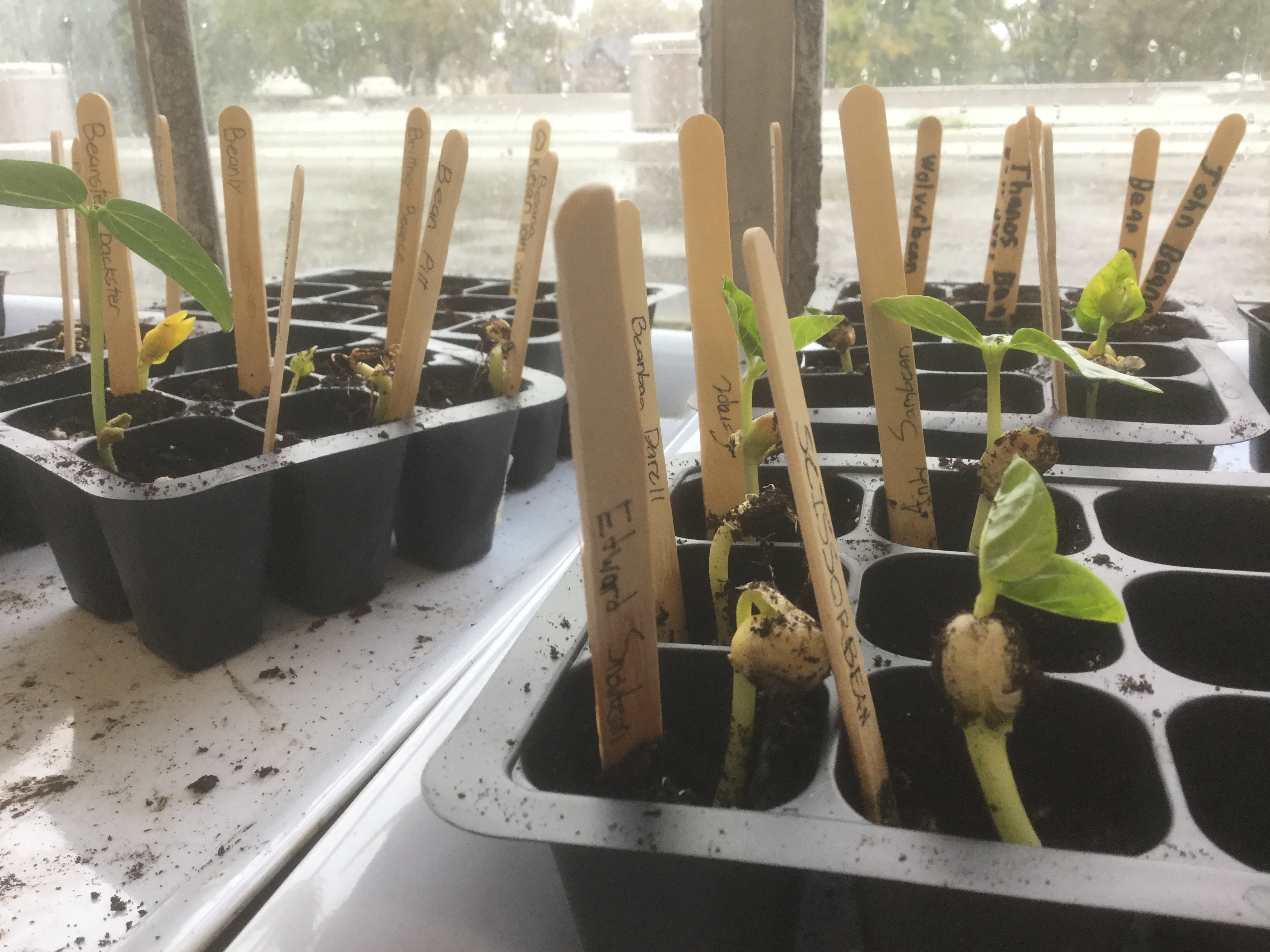
And those beans! Wonder what’s different with these ones….
We got to work today in 5 different stations.
For one, we used displacement of water to determine the volume of a sphere. Juice concentrate containers have the same radius as a tennis ball, so they work nicely. The container is cut so the height is equal to the diameter.
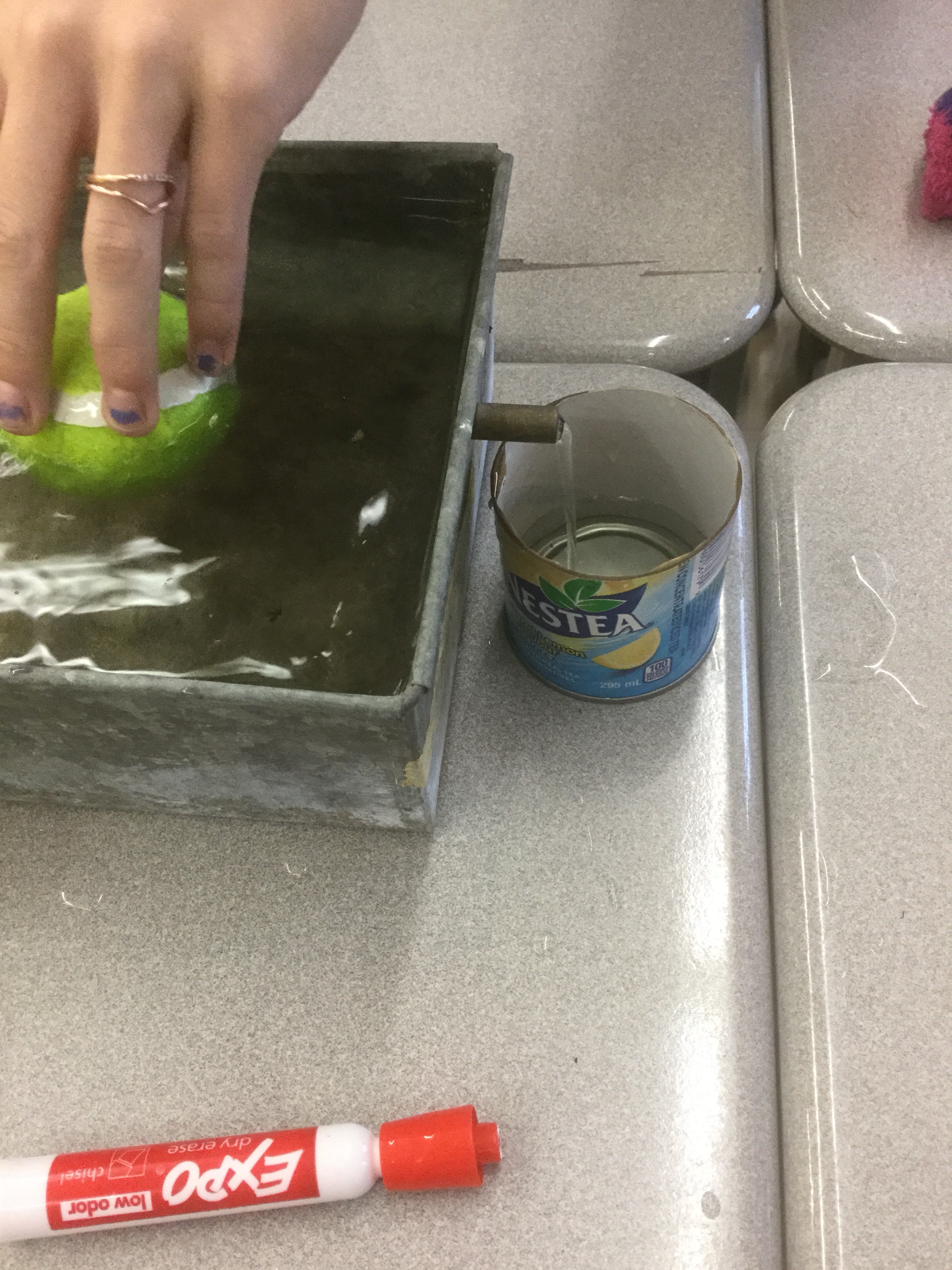
Water is displaced, and fills the cylinder 2/3 of the way.
The volume of the cylinder is V=(pi)(r^2)(h), but remember h=2r, so the volume is V=(pi)(r^2)(2r) which simplifies to V=2(pi)(r^3)
So the sphere volume is 2/3 of that.
V=(2/3)(2)(pi)(r^3)
V=(4/3)(pi)(r^3)
We also looked at the surface of a sphere. We drew circles with the same radius as the orange, then peeled the orange and tried to fill up the circles.
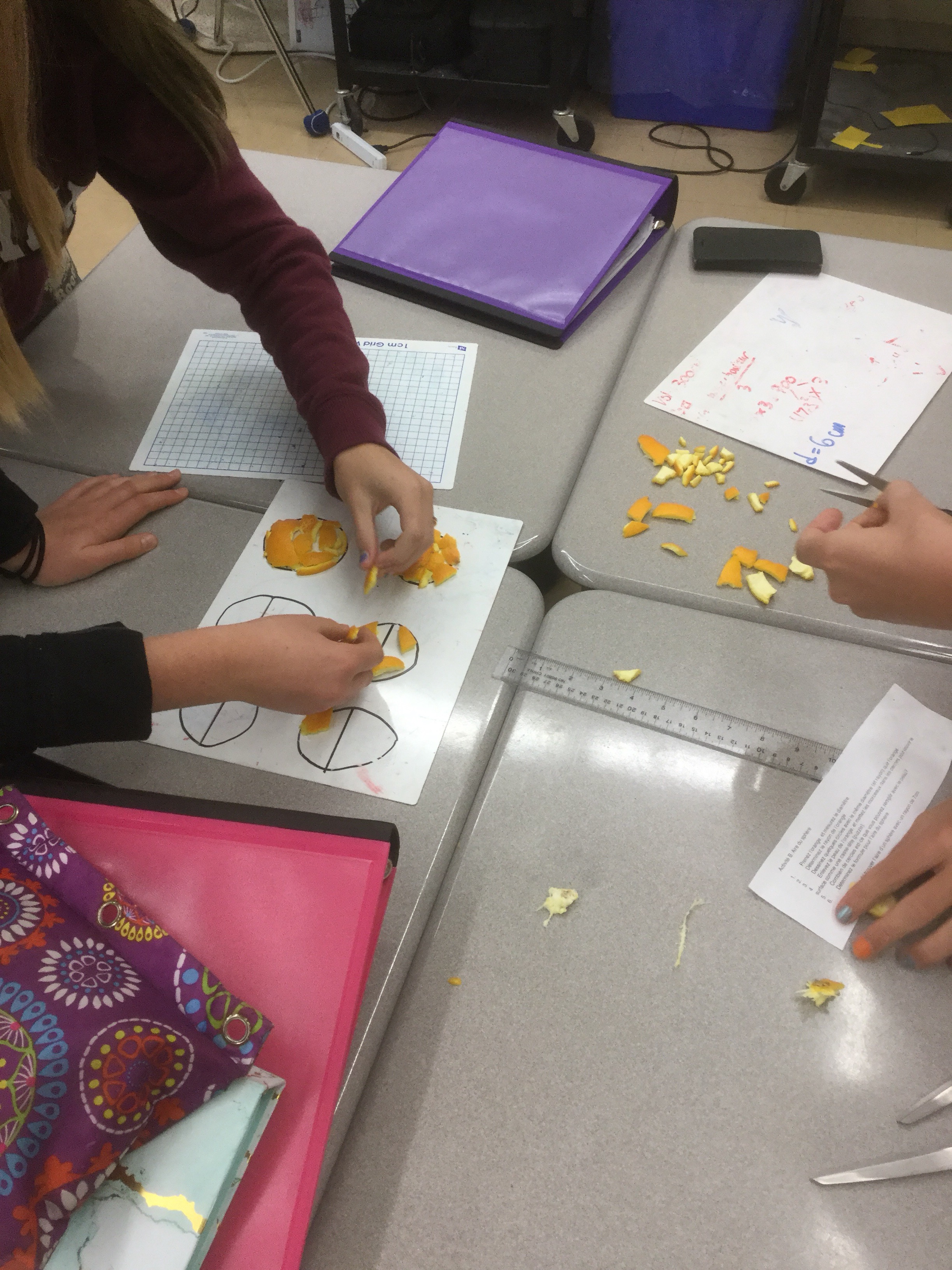
We ended up filling 4 circles. We know the area of a circle is (pi)(r)^2 so the whole sphere is A=4(pi)r^2
We did an activity with the lateral surface of a cone, using a “pacman” made from the centre of a paper plate. We looked at how slant height is related to the height and the radius using pythagorean theorem (again).
We also explored pyramids in Egypt to determine the area and volume of the great pyramid (in cubits). For this we needed to learn a bit about scientific notation.

We also learned about a pyramid in Mexico in the town of Cobà, which you can climb. We determined he lengh of “safety rope” that would be needed to run the length of the side.

With 12 minutes per station, we all got to experience every bit, and practice for our upcoming summative.
Pyramids and their prisms
Today we got our quizzes back, and had some good conversation about how to approach he questions, and how to interpret the results.
Look at all this! All from a discussion about how a square’s diagonal is related to its side length.

We also checked in on our beans.
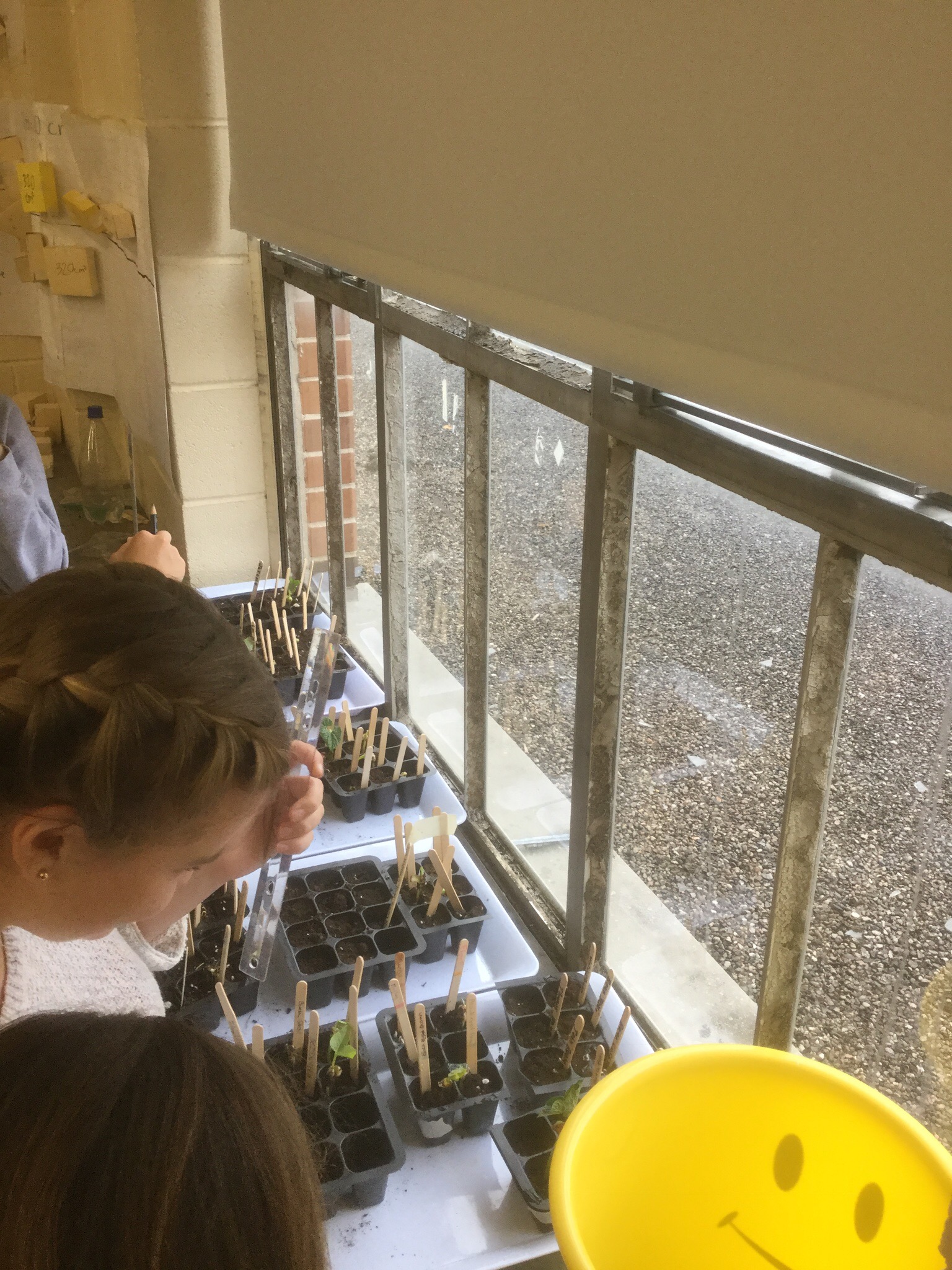
We are recording lots of measurements for the next week or two.

Finally we talked about pyramids and the prisms they are related to (with the same base, and the same height)

We predicted how many pyramids full of water we could dump into the prism. Many thought it’d be 2. It turns out to be 3, each time, even when the base is a triangle, or a circle. Pretty neat stuff!

Dear Parents…
Hello Grade 9s (specially those who were not here today because of the trip) you will get a blank quiz on Monday to try (or study from), hopefully someone in hour group watered your beans and checked on them. Here’s the framework for your email home this week. Have a great PA day.


We talked also about the summative. We will be looking at all the things we’ve worked on.
Our list so far of things that can be on the summative:
Pythagorean Theorem, area and perimeter of composite shapes, including circular bits. Maximizing area and minimizing perimeter (a.k.a. Make it more square), maximizing volume and minimizing area (a.k.a. Make it more cube-ish), surface area and volume of square based pyramids, cones and spheres (we’re still working on these solids next week). If you are looking for things to work on this weekend, the material is in chapter 8, and a little bit of chapter 9.
We are looking for a more creative and less scary/stressful word than a test. If you think up a good name please let me know. Some of the good ones so far are “brain workout” or “celebration of knowledge”.
Problème de la semaine
If you would like, you can sign up for a weekly problem from the university of Waterloo. They email the problem on Thursday, along with last week’s solution(s). There are different grade level problems available. This is one for grade 9&10. For more info check it out here.
Pyramids
We started our exploration of pyramids today with a challenge. It was based off of work done yesterday. Today’s challenge was to build a pyramid with a volume of 300 cubic centimetres.
We made plans, decided on dimensions that we thought would work…
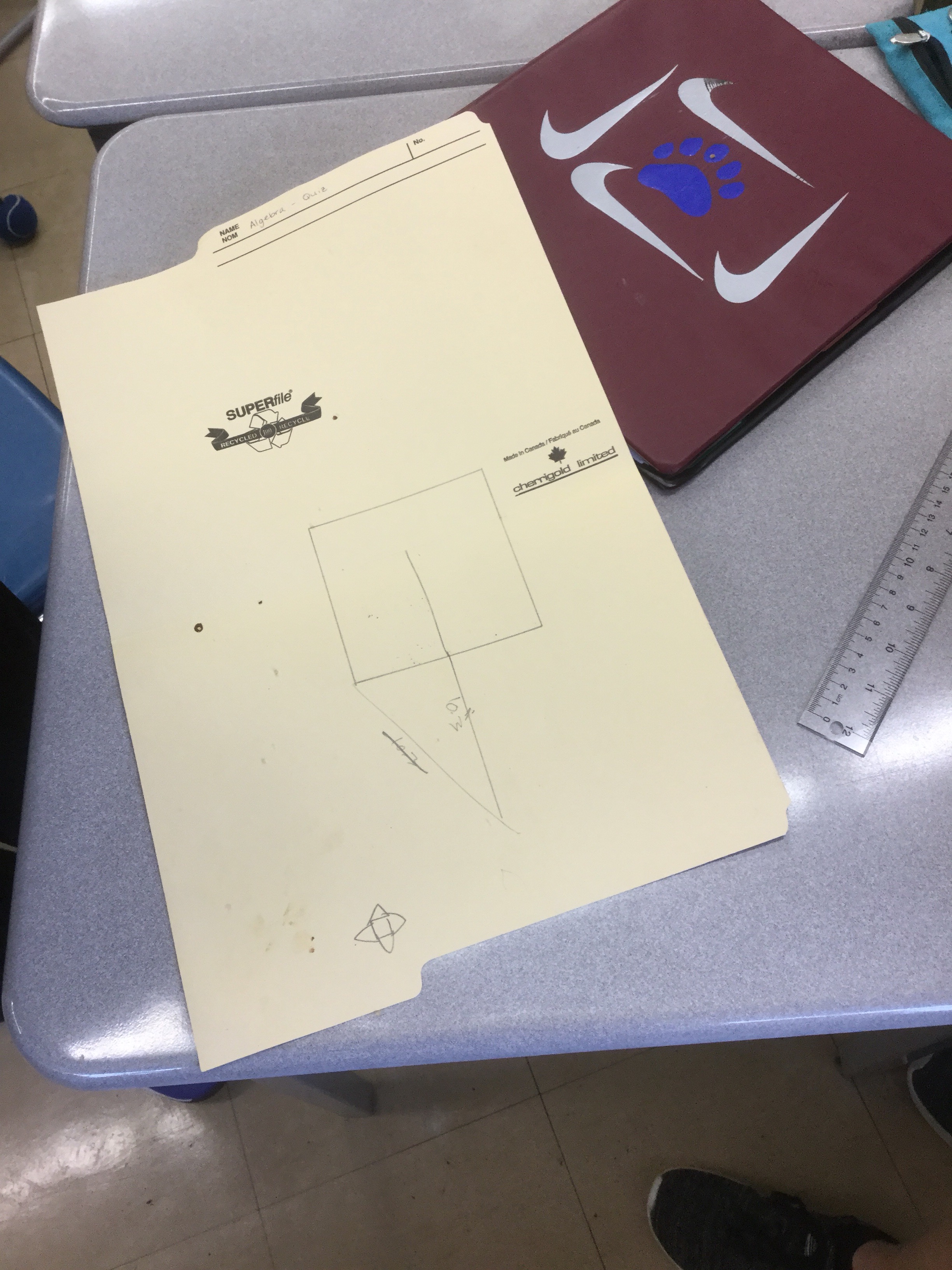
Cut out pieces….

And taped them together…

Some groups made long tall pyramids,
Others made short flat pyramids
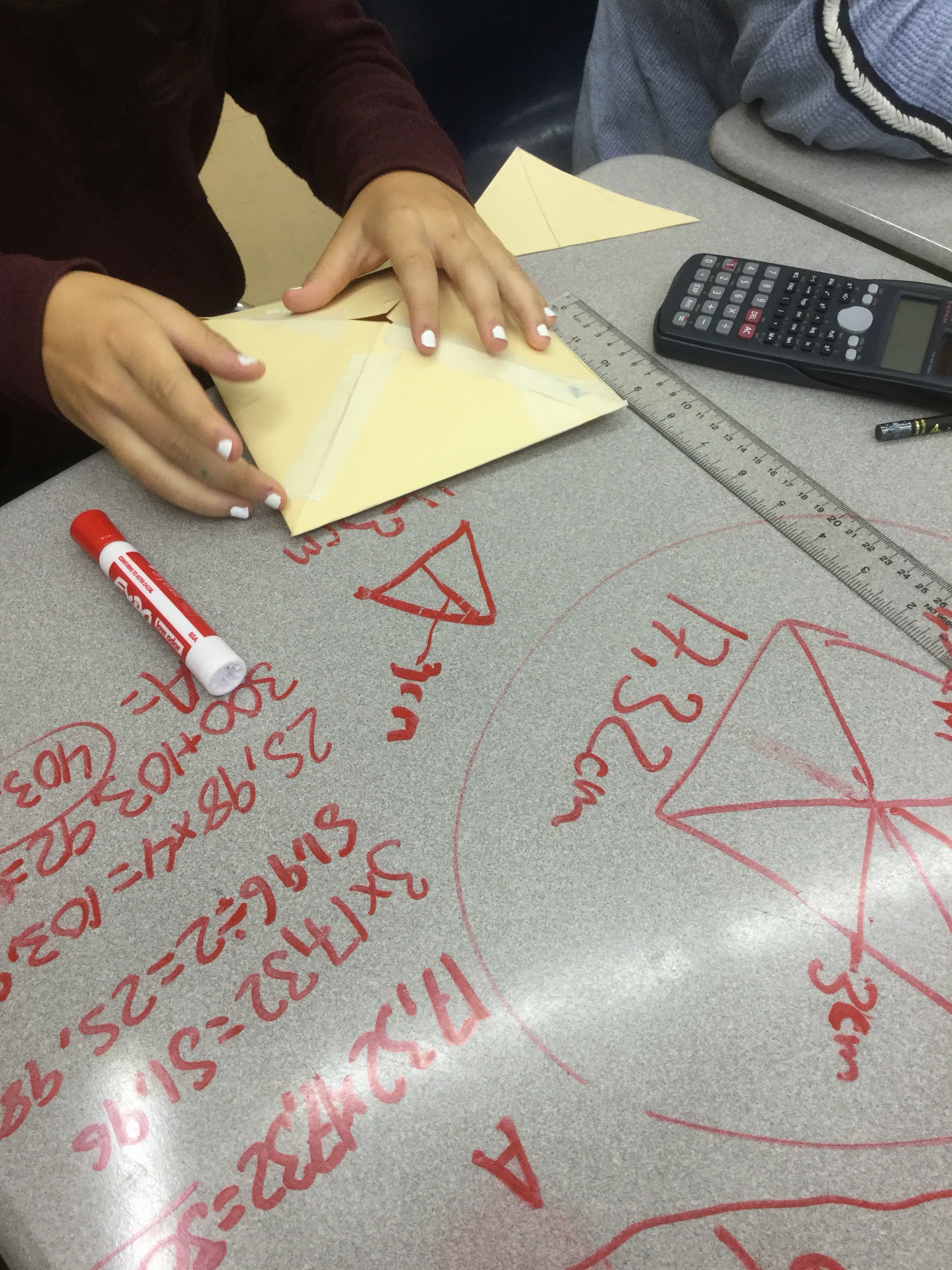
Some of our pyramids ended up shorter than we had planned….
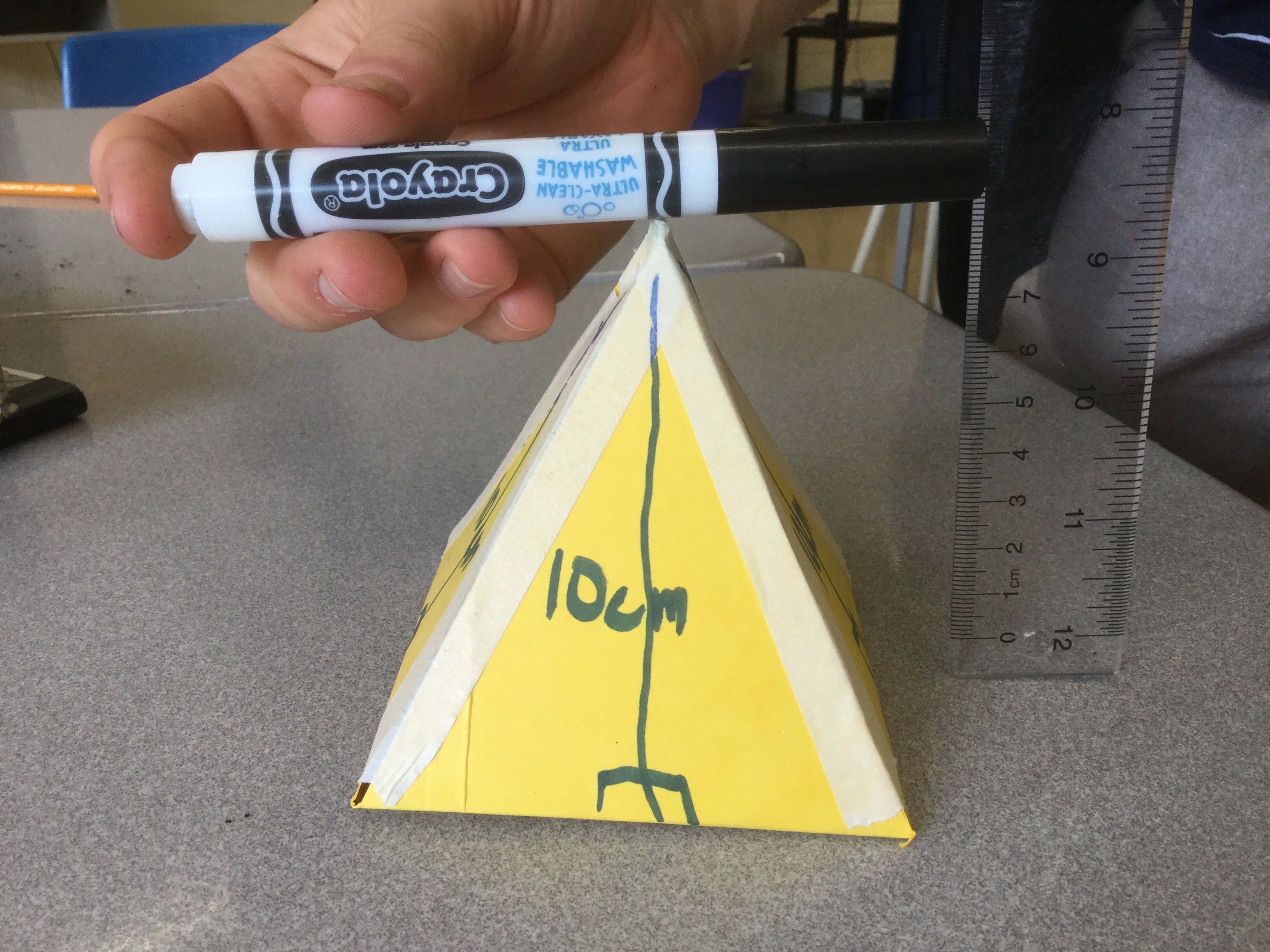
We need to use the pythagorean theorem when we design pyramids like this. We had figure out what height we wanted the pyramid to be overall, but that is not the same as the height of each individual triangle that makes up the side of the pyramid.
Some of us were challenged today by the openness of the task, and lack of direct instruction at the start. No, we have never learned about pyramids, but we have the ability to think, and reason, and try things, and work through a problem even if (at the start) we have no idea how to get to the end. It’s not always a comfortable feeling, but this struggle is a productive one, and we learn that it’s ok to try, and it’s ok to be pushed out of your comfort zone, because that’s where the most growth can happen.
Beans!
We have now got a garden established on our window sill. We looked at the sprouting beans. Most groups had close to 100% success with germination.
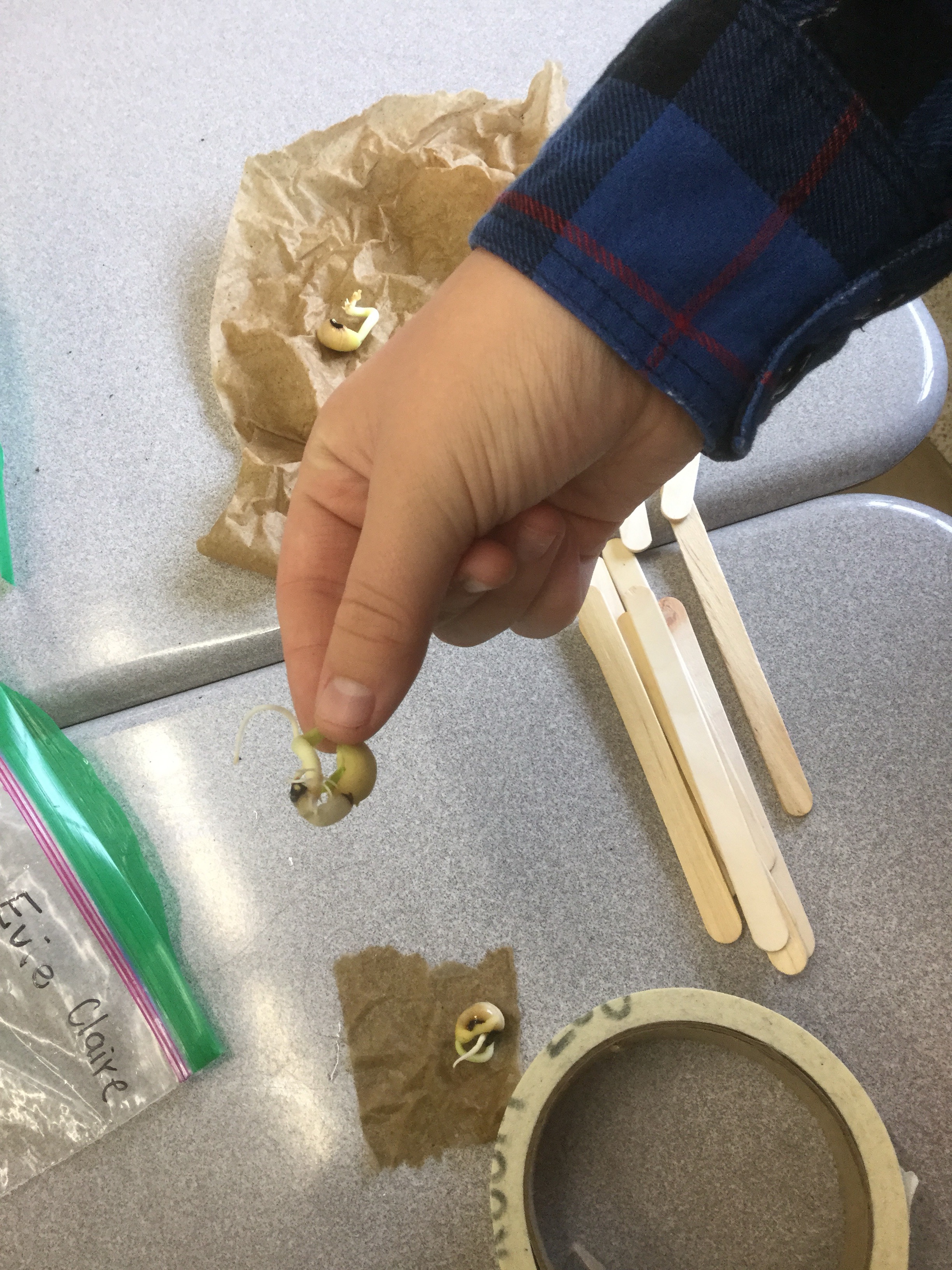
We labelled our plants with the type of bean, and the name of each bean (because that’s pretty important)


We were careful to put the roots down, and the leaves up.
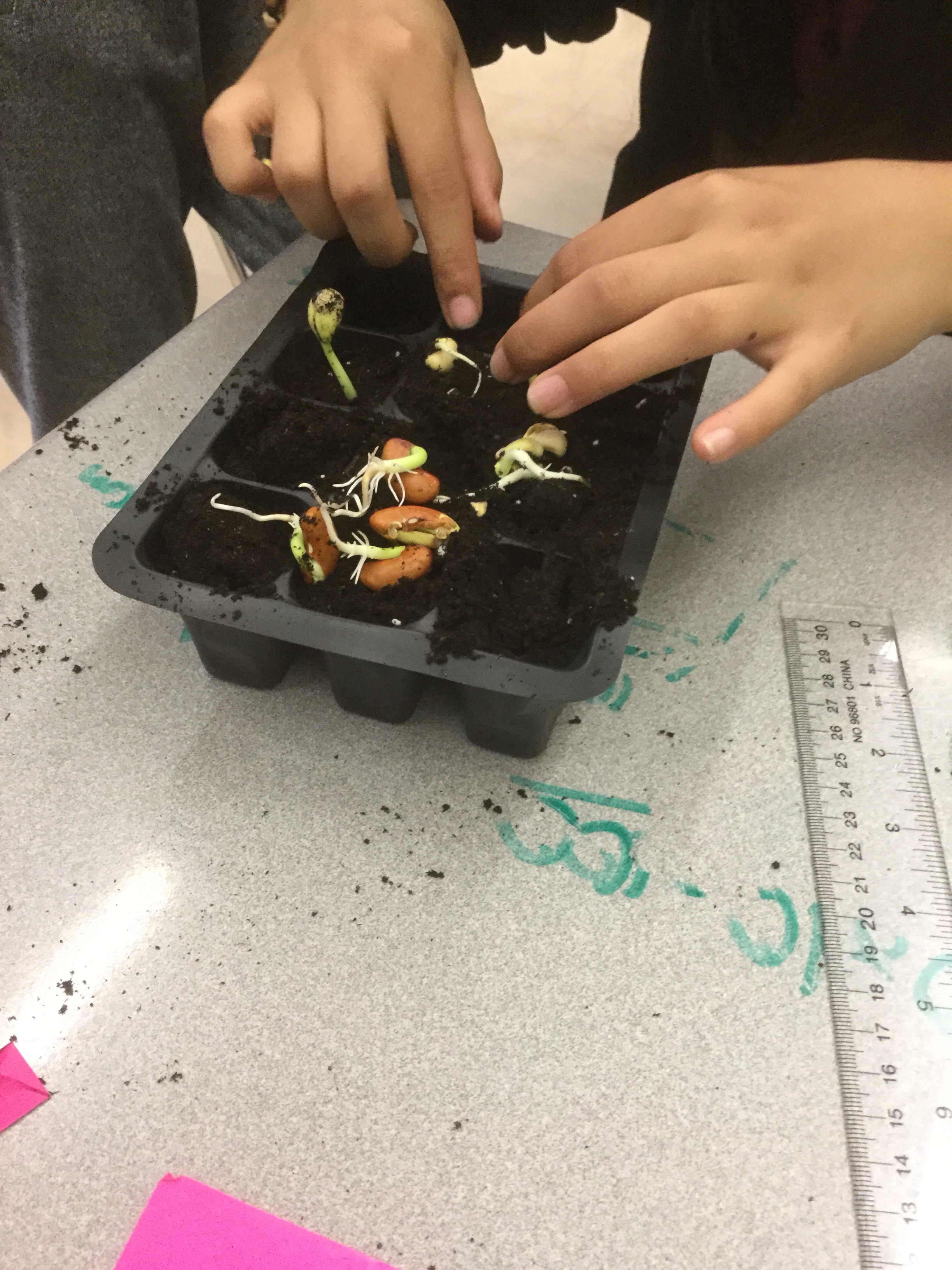
We will be measuring them and graphing the results in the upcoming weeks.

Thanks to all who helped with the clean up!
One Volume….and So Many Prisms!
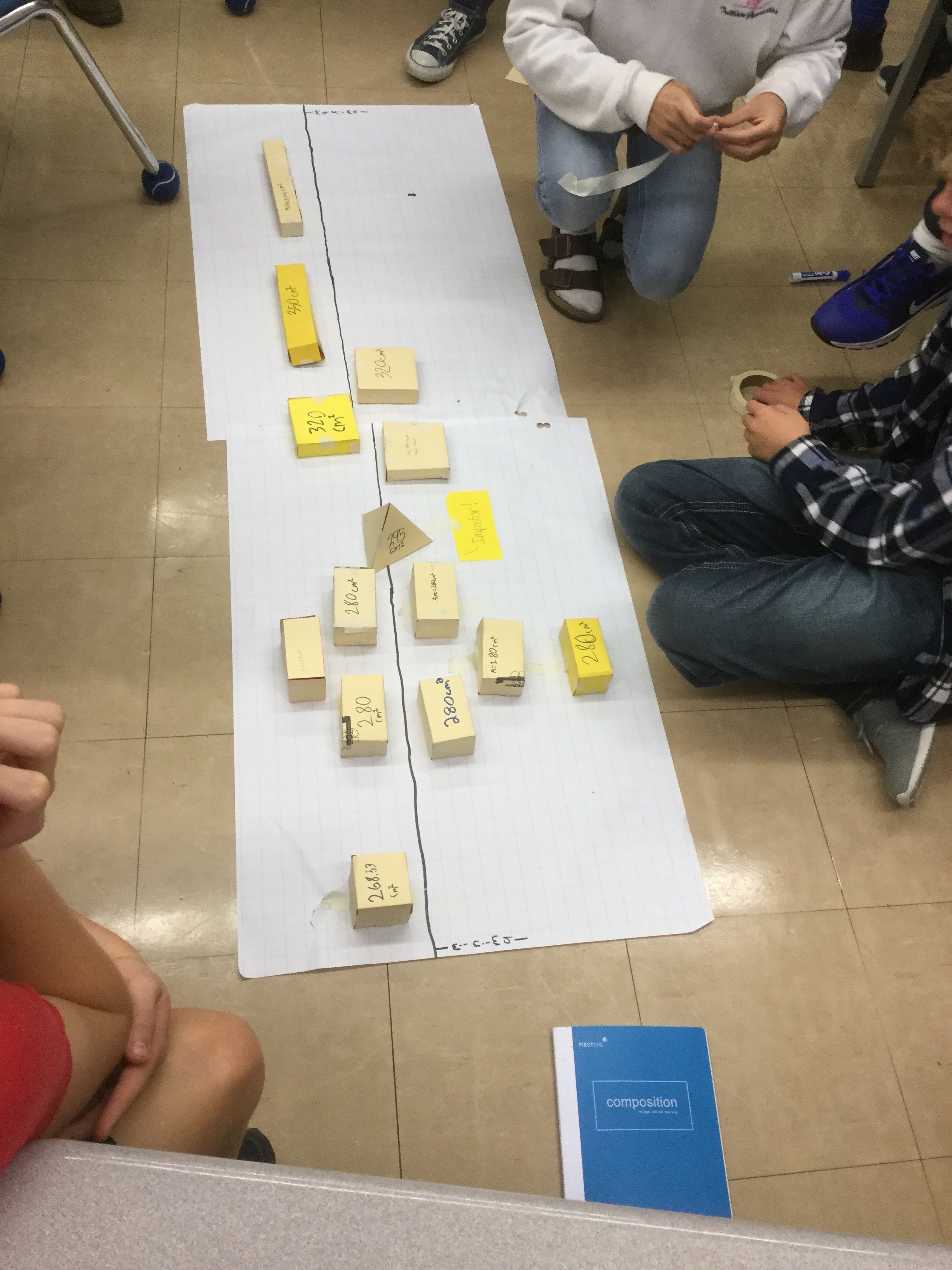
Grade 9s made a lot of rectangular prisms today. Each one had a volume of 300 cubic centimetres.
Calculations were made, and shapes were mapped out.
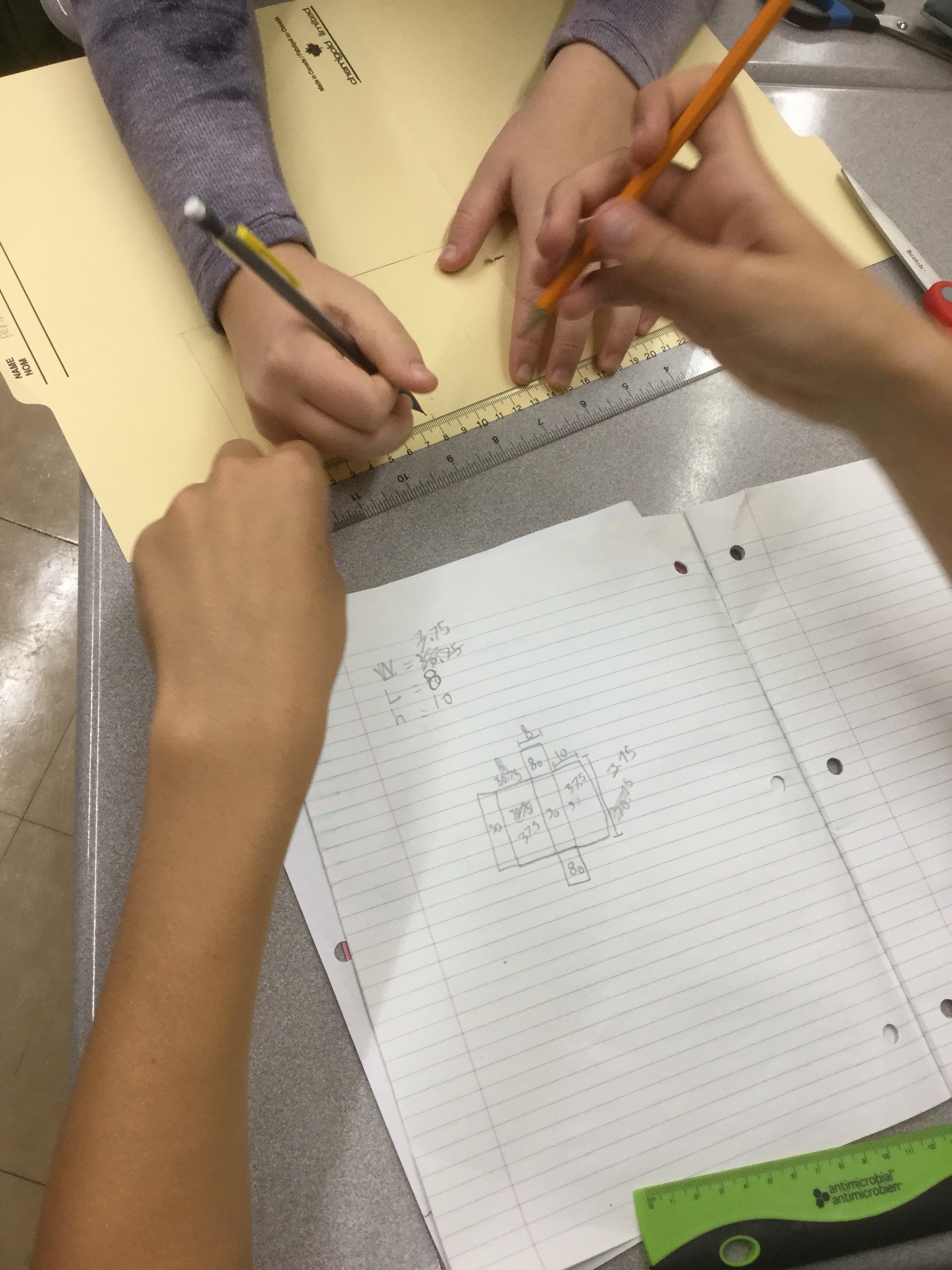

We cut out our nets, and formed the prisms.
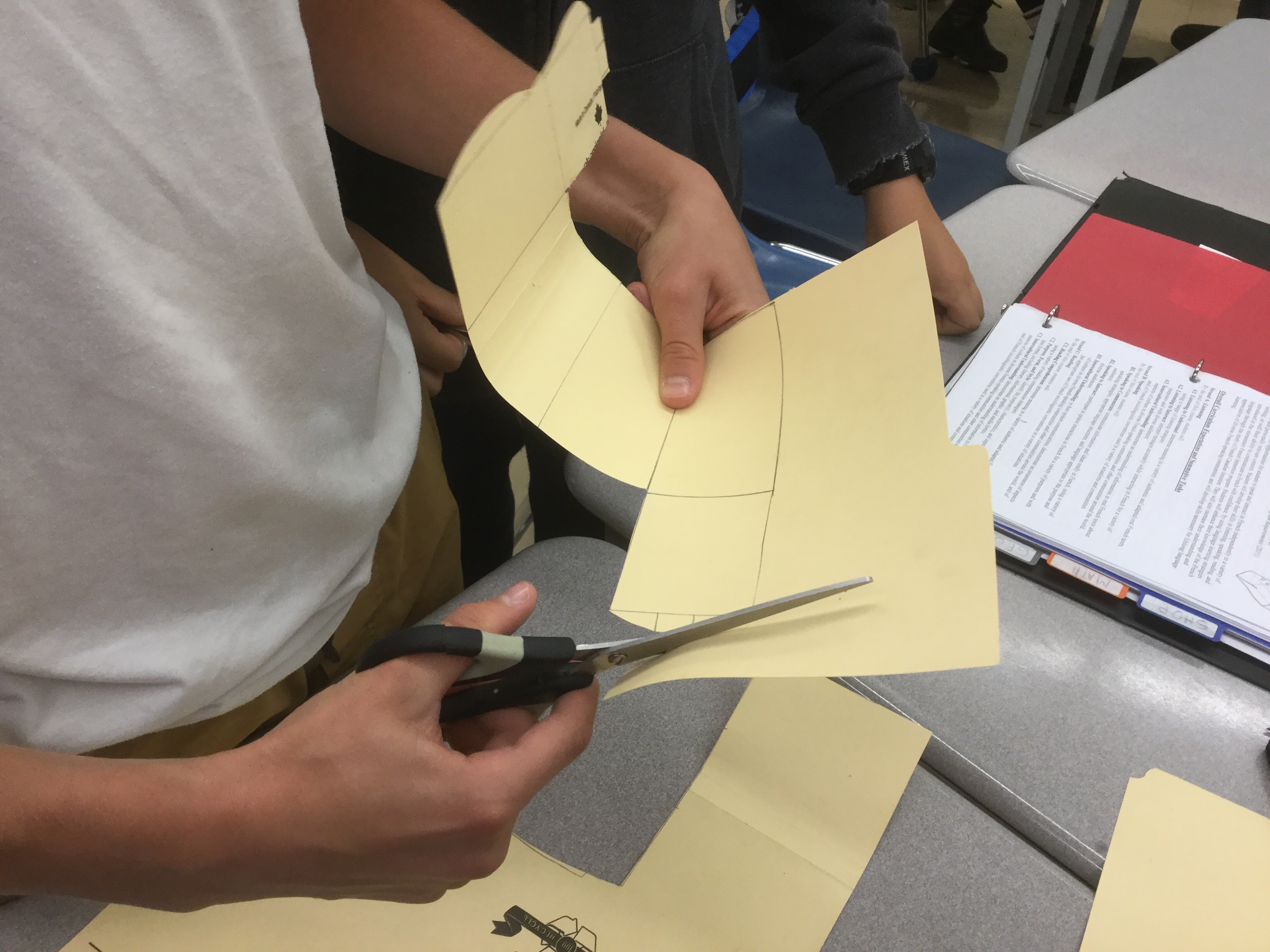
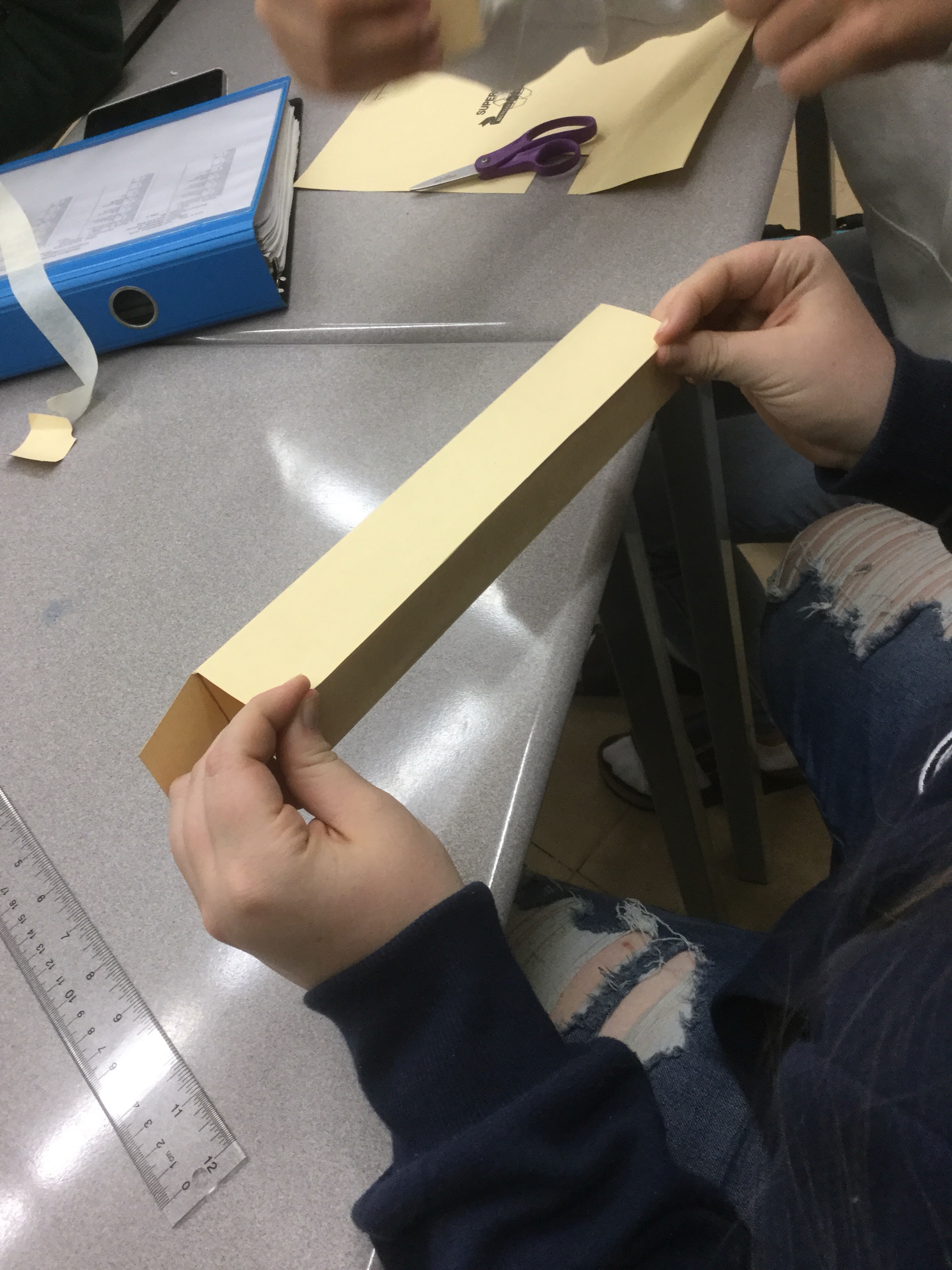
There were so many different prisms! Each one had the same volume….but quite different surface areas.
We classified them from biggest surface area to smallest surface area.

Some groups took this to an extreme….and made very long skinny prisms.
Period C’s prisms were infiltraded by an imposter…..(one of these things is not like the other!)
We talked a bit about how surface area and volume are very important in biology. We have lungs that maximize surface area….our cells divide when they get too much volume compared to surface area….and worms (much like our long prisms) have a big area compared to volume, and they take advantage of this and breathe through their skin!
Graphing review
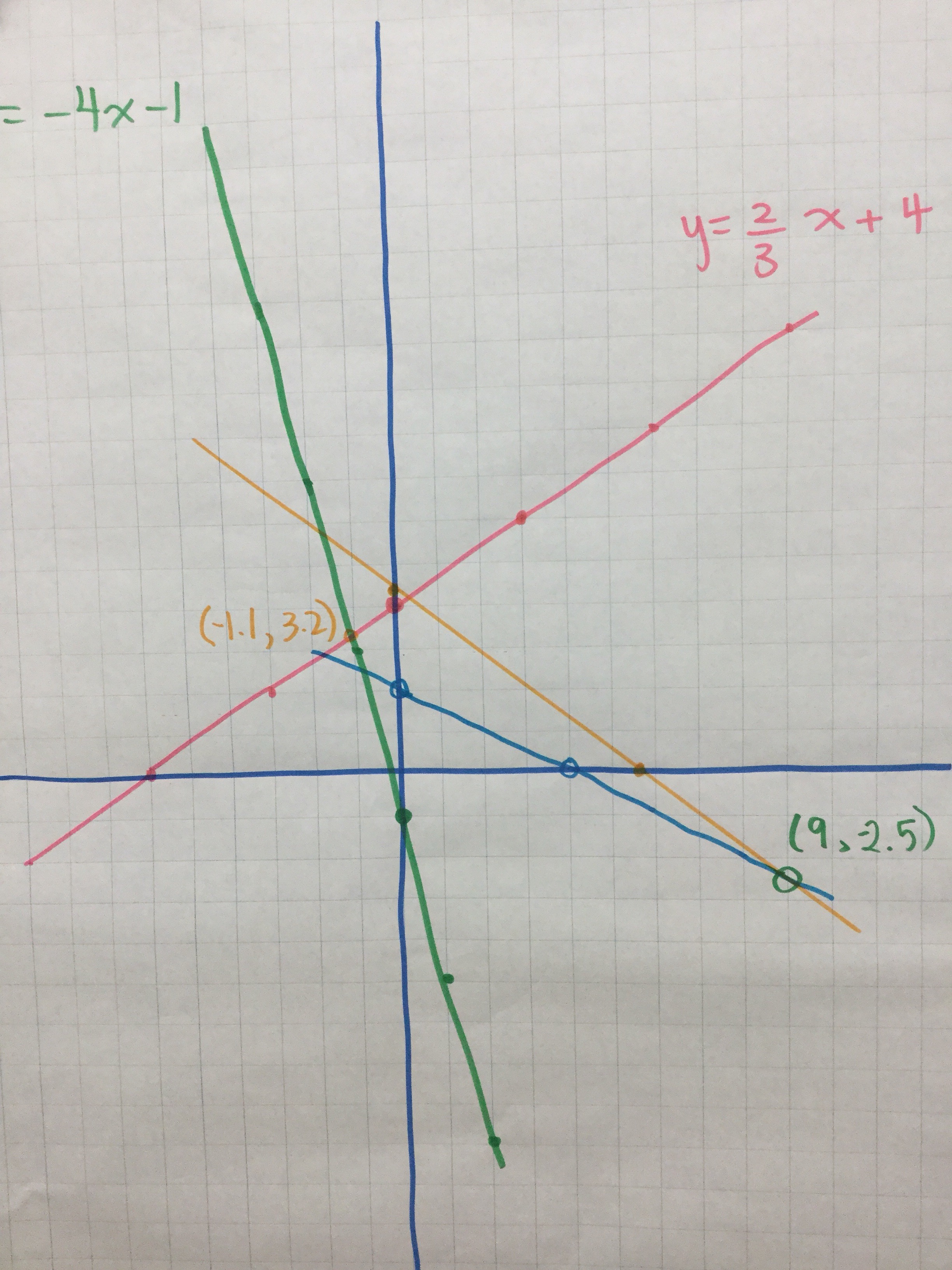
Grade 10s are plotting lines, and verifying algebraically that the graphed intersection point is correct.
We graphed using y=mx+b (slope and y intercept) and we also graphed by calculating the x intercept (make y be 0) and the y intercept (make x be 0).
Optimizing!
In grade 9 We explored shapes with a perimeter of 20 popsicle sticks. Some thought outside the box…
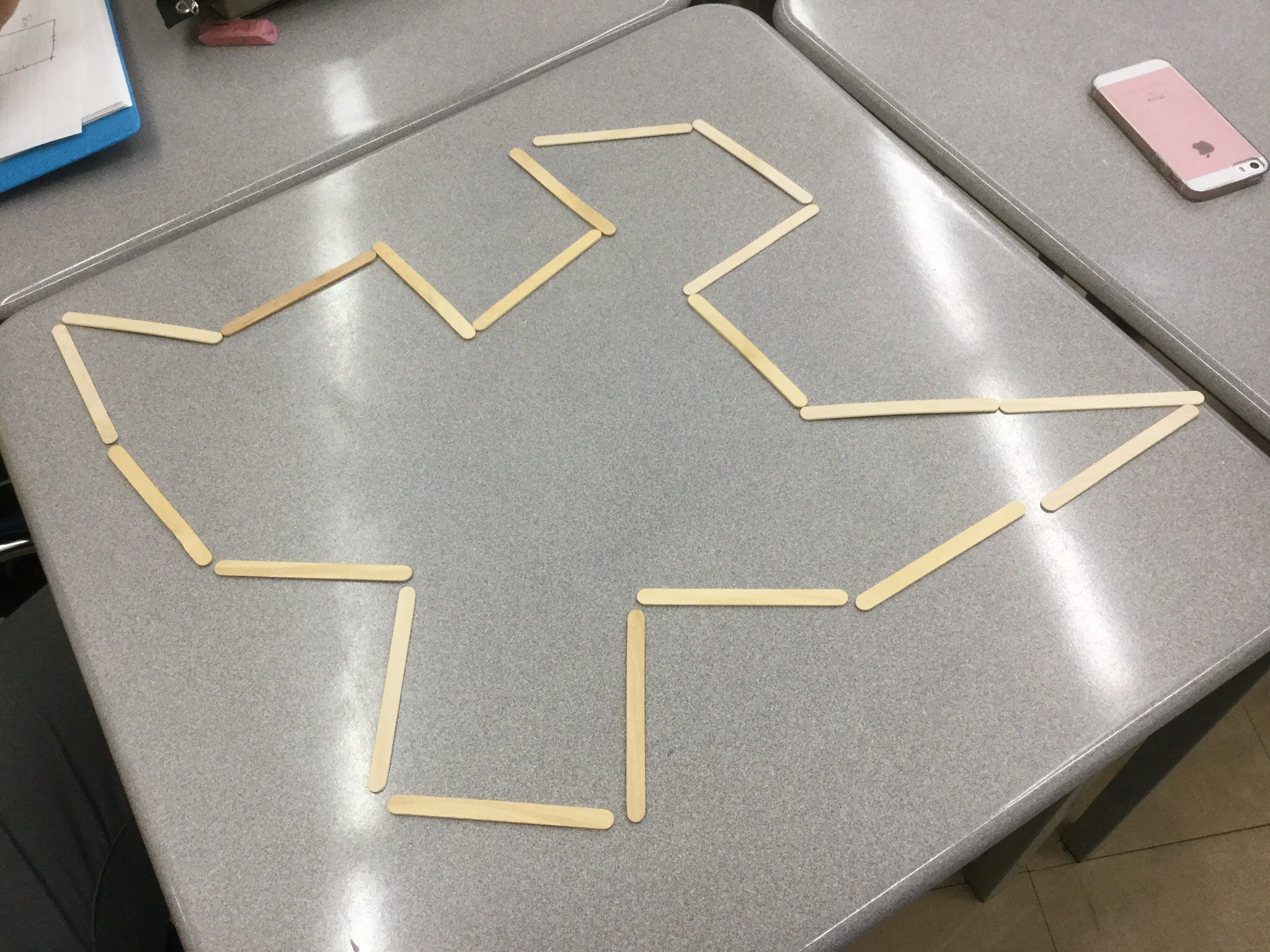
And others were more constrained to the box….this group had lots of boxes!
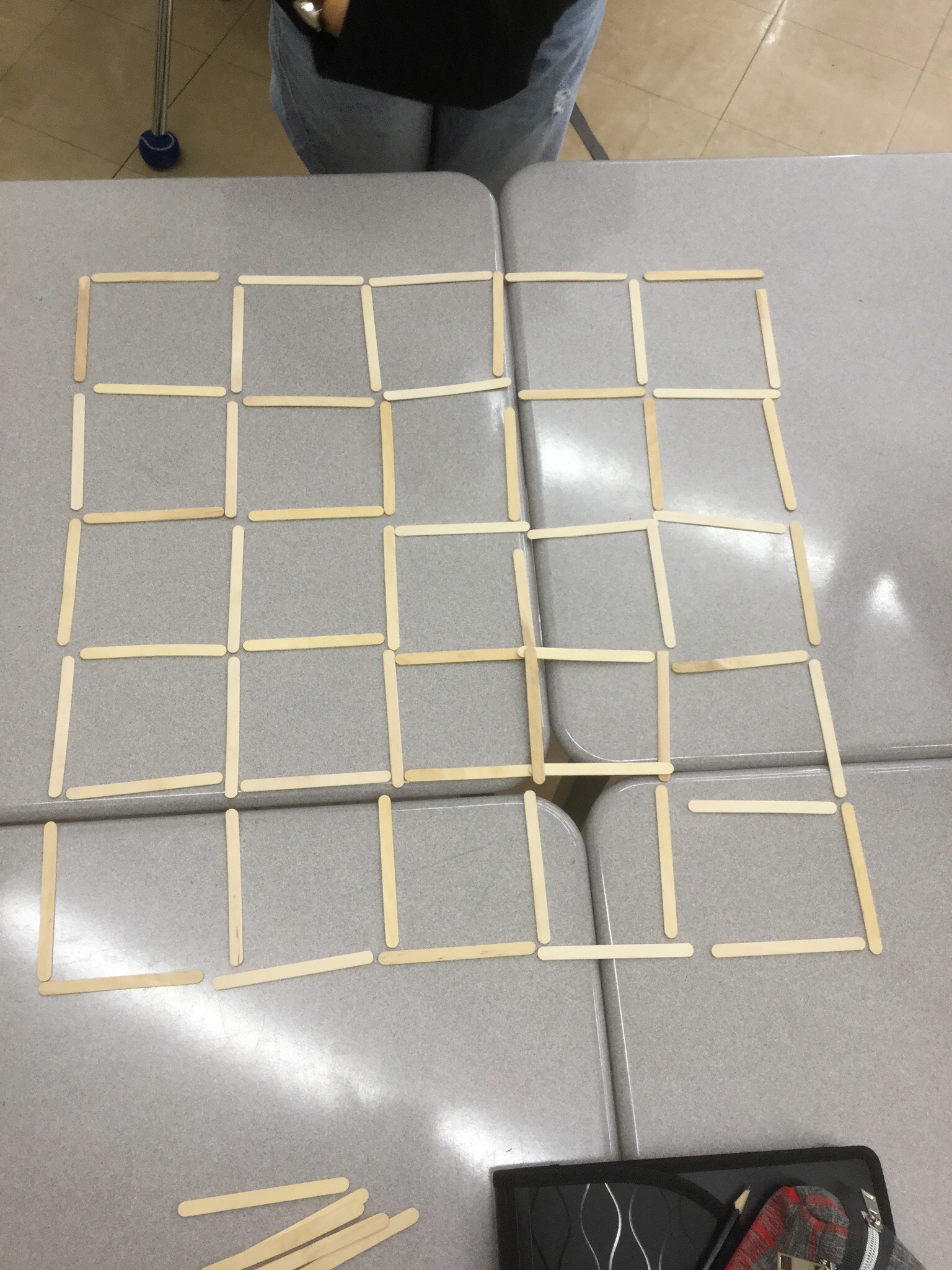
This model was easy to use to show the area. The first one was less straightforward.
Some groups could show many options!


We tabulated the dimensions of all the possible rectangles using desmos, and used our words to describe the trends.
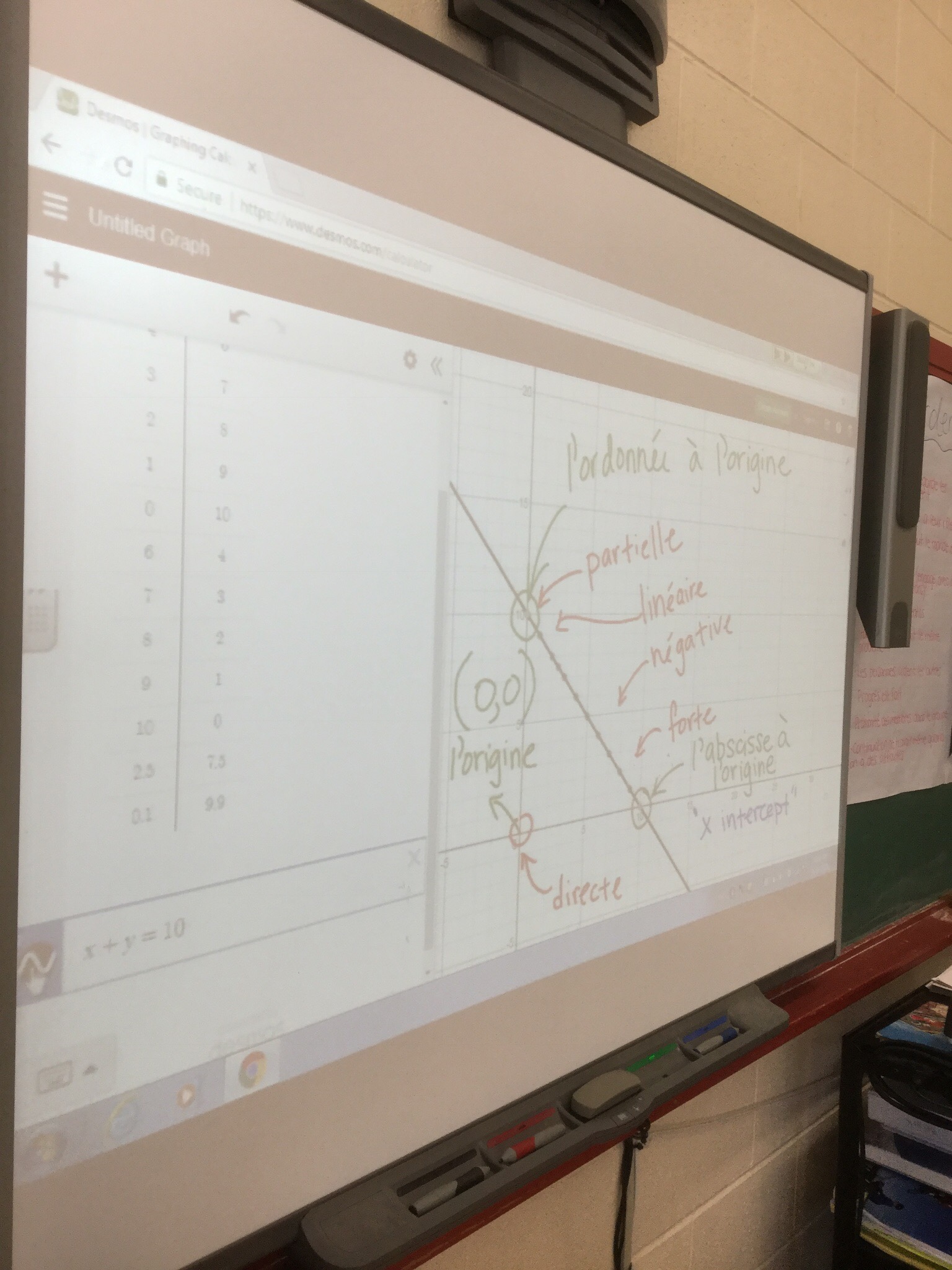
We also graphed the area of the rectangle, and used length as our independent variable. It was a different looking graph for sure! We used our words again to describe it.

We even looked at removing the constraint of having a quadrilateral….and tried to optimize the area again.
We made some octagons, and tried circles too!

Did you know there’s an octagon calculator online?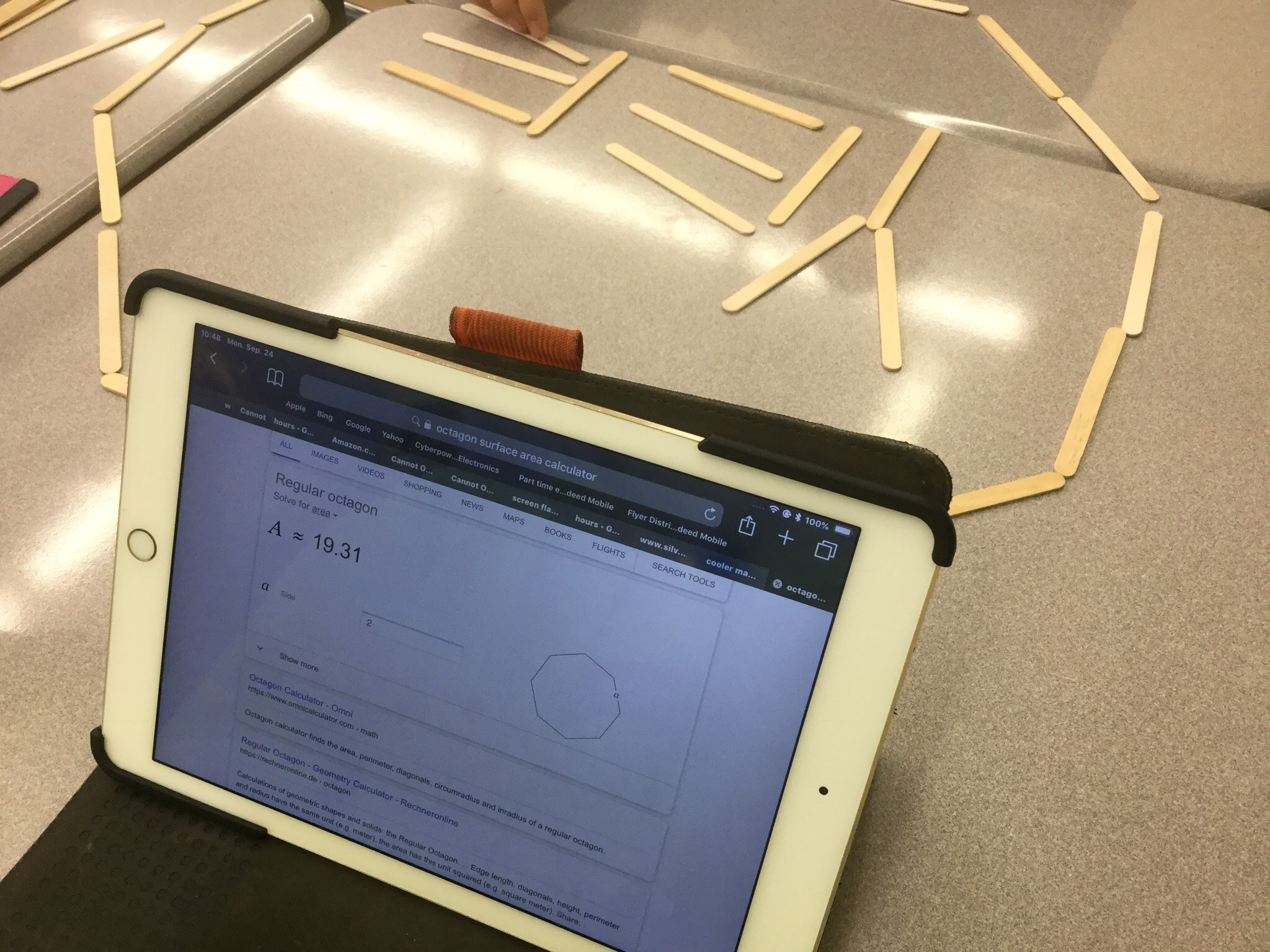
Good work today grade 9s!
 Ms. Bearse's Site