Discovering Formulae
We looked at the formulae for volume and surface area of spheres today.
We used oranges and a grapefruit as our spheres. First step was to determine the radius, diameter and circumference of the sphere.

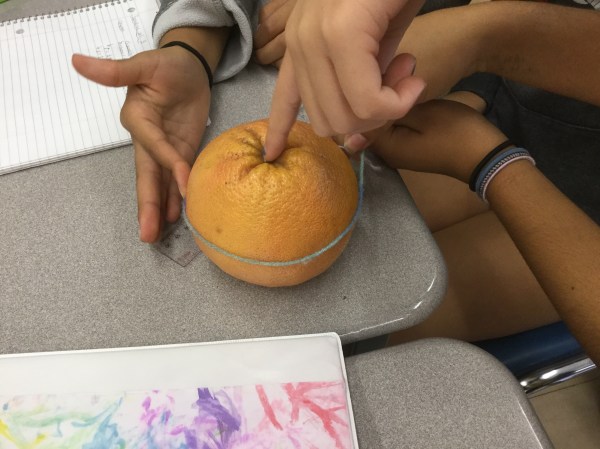
The next step involved peeling it, and making the peels into a rectangle. We measured the dimensions of the rectangle, and then calculated the area of it, using length times width.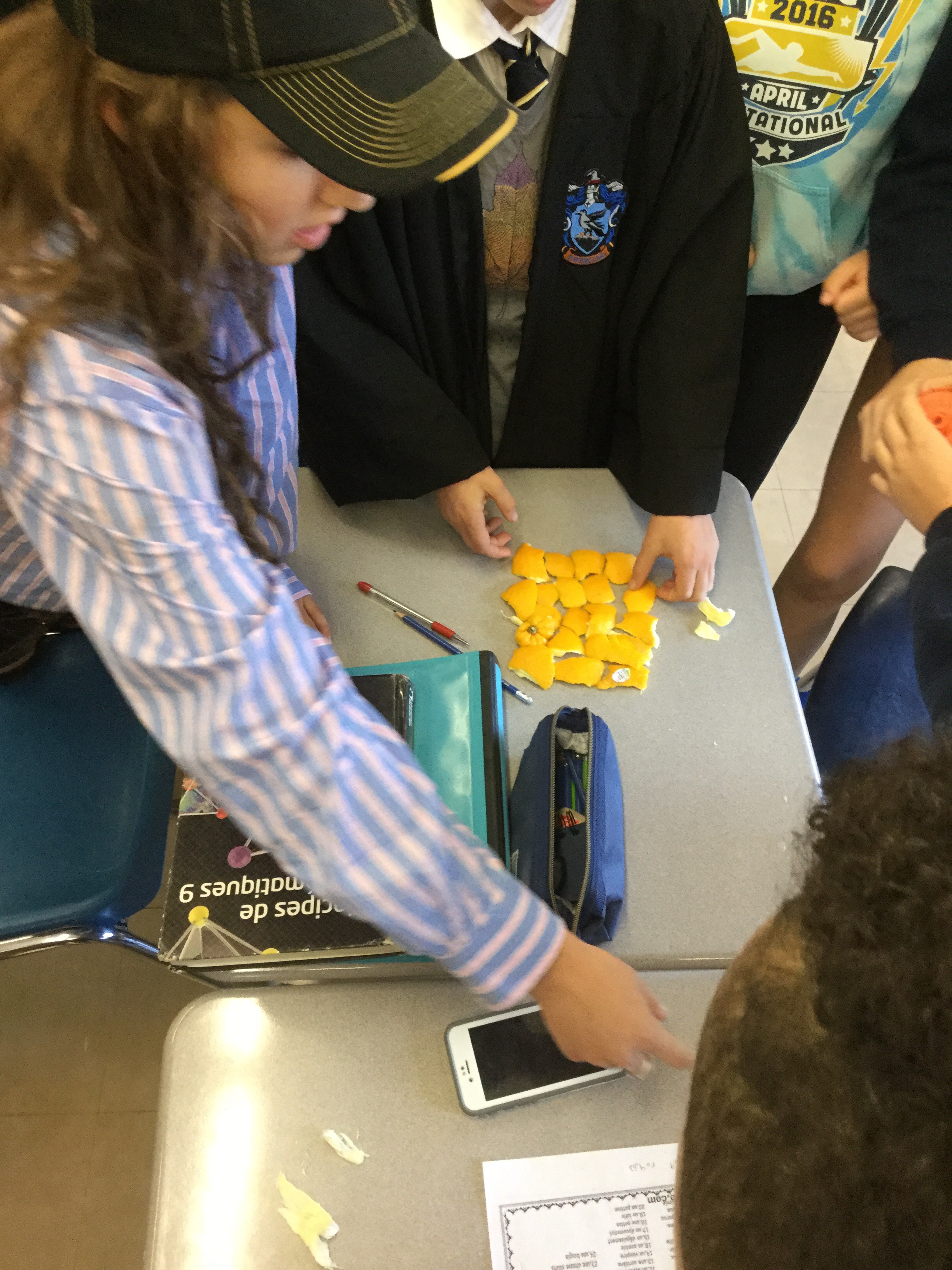

The next step was to relate the values we found. We compared the square of the diameter with the area, since we need to compare things with similar units.
Our groups had a variety of answers, but most of them were close to Pi times diameter squared is equal to the area of the sphere.
We used our algebra skills to show that (pi)(d^2) is the same thing as 4(pi)(r^2).
To determine the volume of a sphere we used a tennis ball a juice concentrate container and a displacement tank. We cut the juice concentrate container so it had a height equal to its diameter (which is conveniently the same as the tennis ball).

We used the displacement tank, and submerged the tennis ball, and held it until the water stopped pouring out. We collected the water in the juice container.
It filled the cylinder 2/3 of the way.
We used algebra skills to examine the formula for the cylinder (replaced height by 2r, since the height is equal to the diameter, which is twice the radius). The new formula for cylinder volume is Pi(r^2)(2r) which becomes 2(pi)(r^3)
Since the sphere displaced water equal to 2/3 of the cylinder’s volume, the sphere’s volume is (2/3)(2)(Pi)(r^3) which simplifies to (4/3)(Pi)(r^3).
Grade 9s, this is what will be on your test

Pyramids and Perseverance
Today’s task was to make a pyramid with a volume of 300 cubic centimetres. What was interesting was each group independently decided to use dimensions of the base as 10cmby 10cm and the height 9cm.
One group realized at first that the height of the triangles on the side needed to be longer than 9 in order to have the pyramid height be 9. After a bit of reasoning, they divided the base in half, and used that along with the 9cm height and used the Pythagorean theorem to calculate the hypotenuse, which is the slant height, and the height of each triangle. 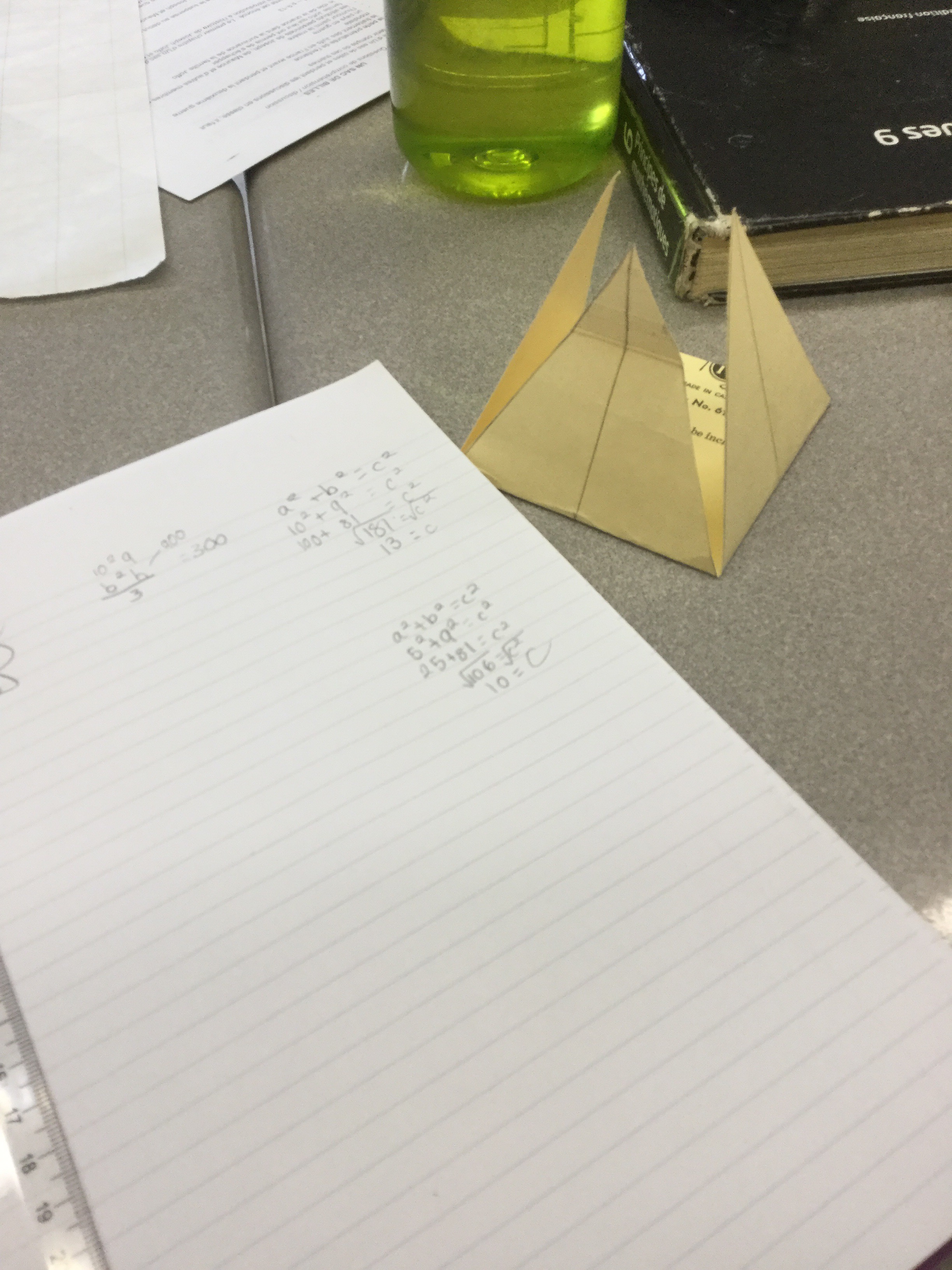
Other groups decided that the 9cm should be the height of each triangle, which ended up with a slant height of 9cm.

This makes a pyramid that is too short!
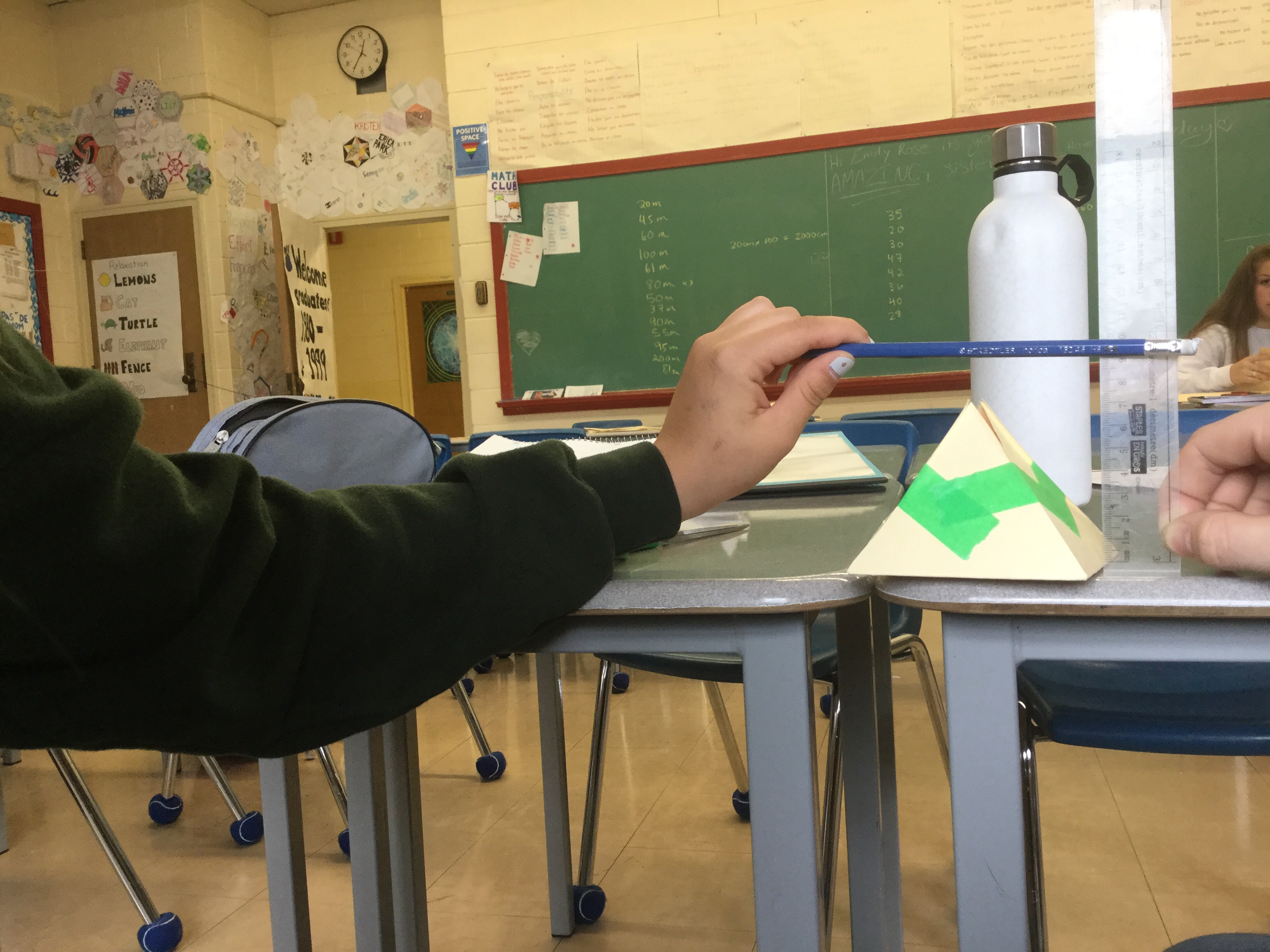
Another group measured 9cm along the edge of the pyramid.
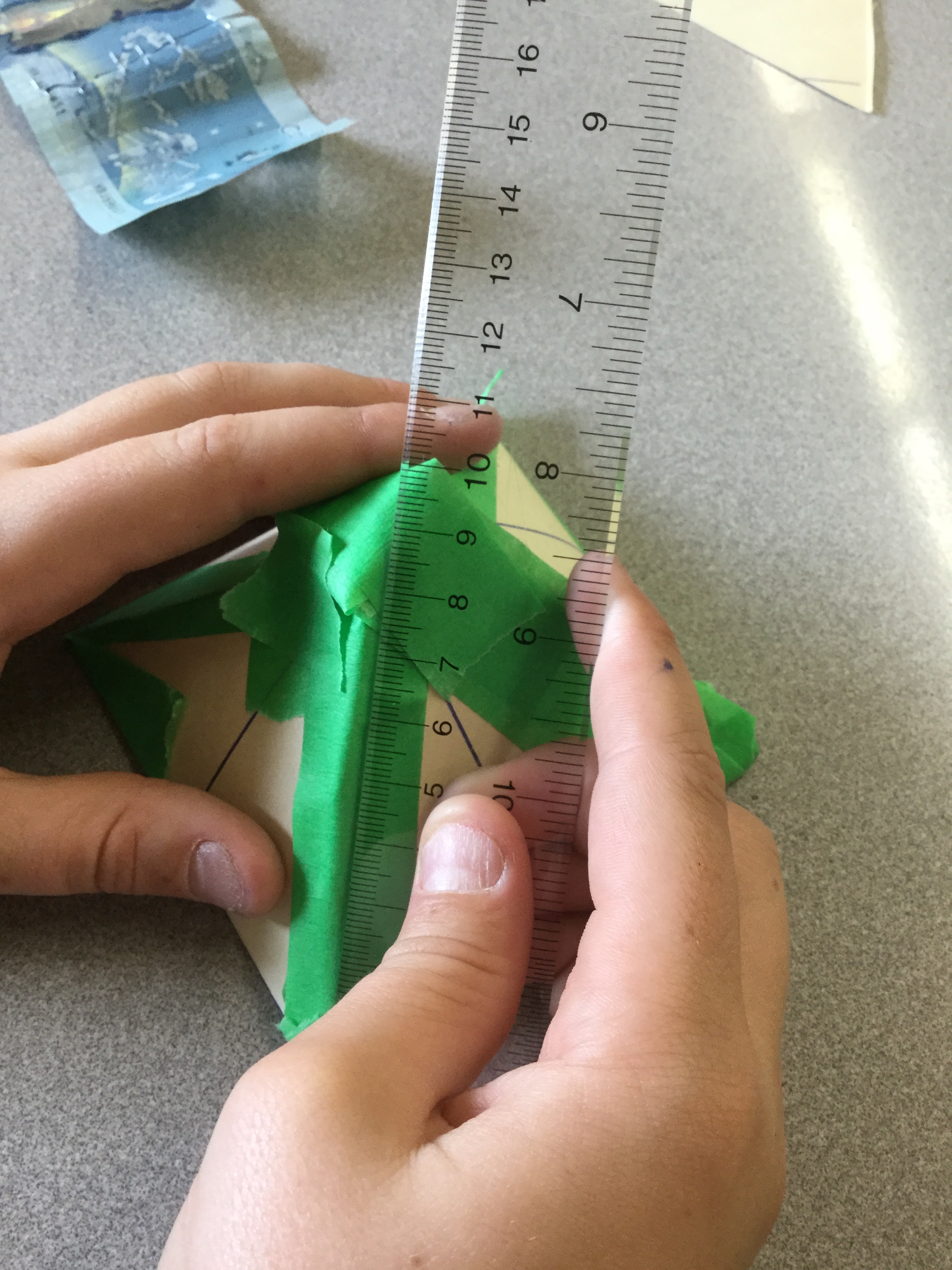
This pyramid was even shorter than the other!
Some groups needed a few iterations before their pyramids were the right height. Persistence pays off thought! We persevered through several challenges today!
We calculated surface areas, and then set out to design a square based prism with a volume equal to our pyramid. We’ll build towers, and figure out the surface area of the combined solid.
What do you notice? What do you wonder?
Watch this (no sound=no spoilers)… what do you notice and wonder about this demonstration?
(for more information check out the article)
Dynamic geometry with desmos
 Desmos has a beta version of dynamic geometry software. We used it today to construct medians, perpendicular bisectors, altitudes and see how they intersect. It’s pretty neat that all of these intersections are always colinear.
Portfolios and proof cards
We are working hard to demonstrate our learning in many ways. We are keeping a portfolio and reflecting on what work is evidence of our skills.
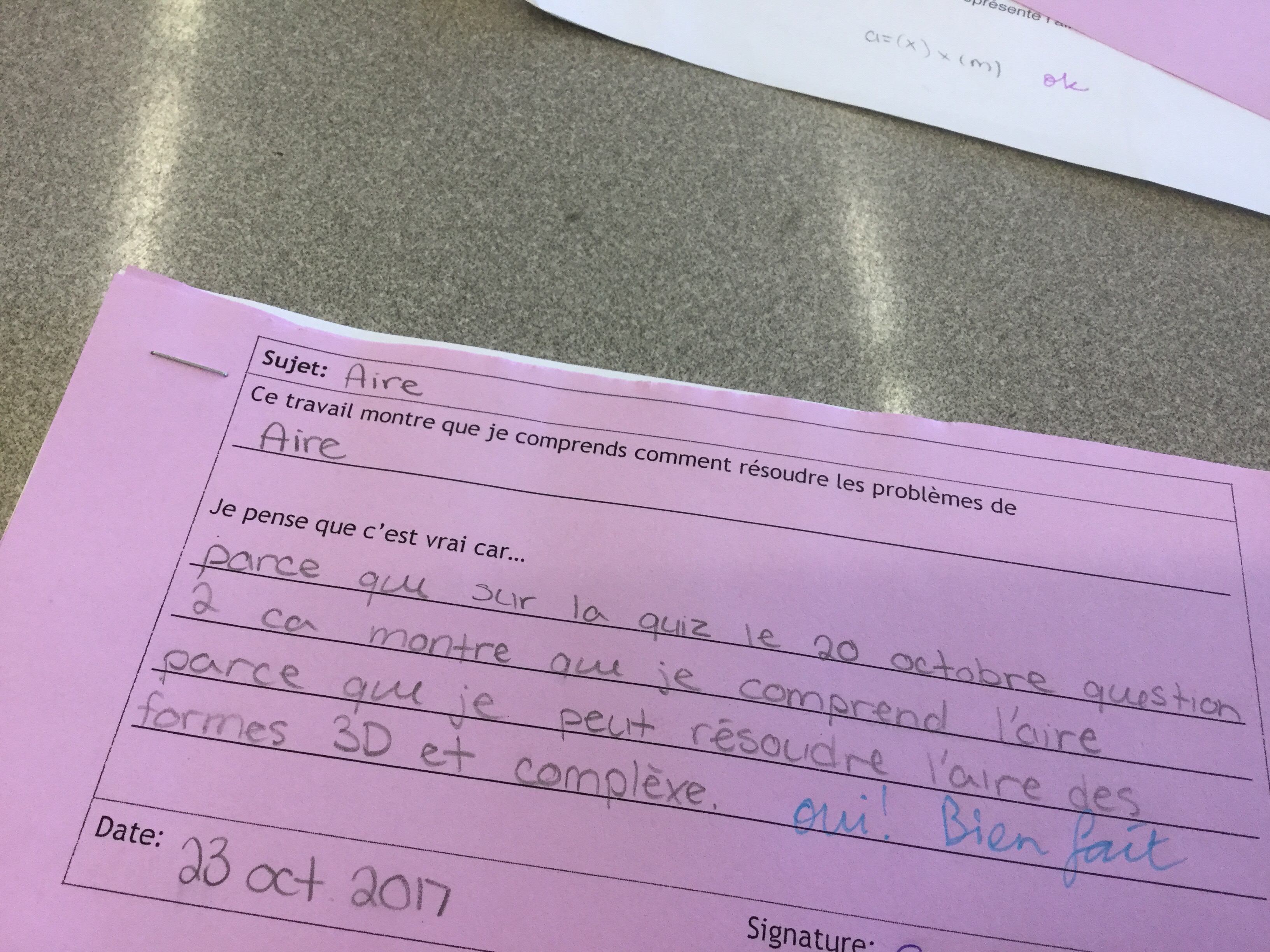 We are attaching proof cards to selections of our work . These prompts had us looking for evidence of skills. Other prompts in the future will focus on different aspects of our work.

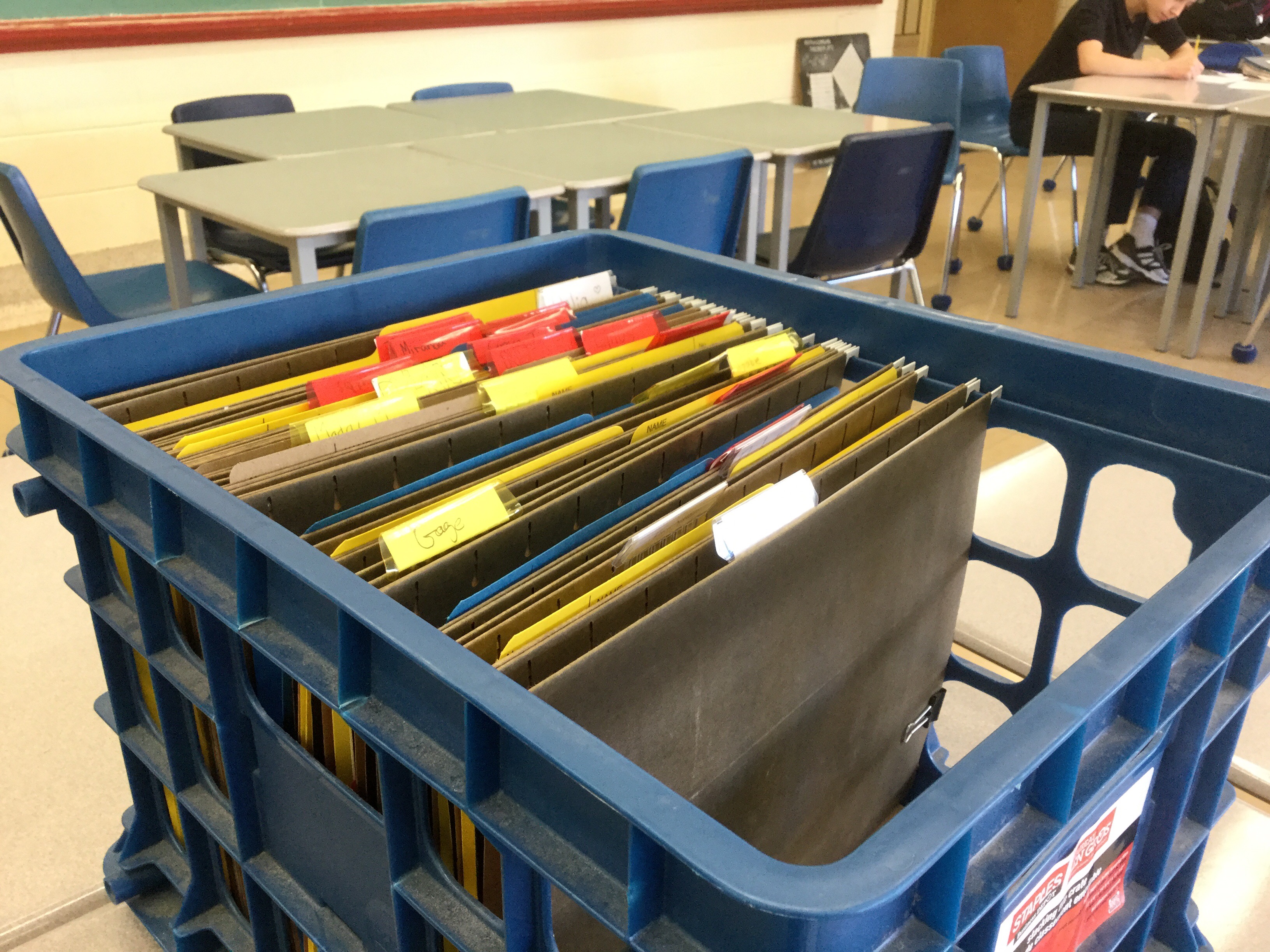
We are keeping our portfolio work in files in the classroom to help us stay organized.
Looking for patterns
We continued our investigation of prisms today. 


Once we made a lot of prisms all with a volume of 300 cubic centimetres, we calculated the surface area of each.

We made a summary chart, and then tried to make a box with a bigger area than those listed, and tried to make a box with a smaller area than those listed.
We learned that a cube has the smallest surface area, and that a long skinny box would have the largest surface area.
We also had a few patterns from visualpatterns.org that intrigued us.

We’re looking at how the visual and the algebraic patterns are connected.
It’s a new way of thinking!
Assembly today
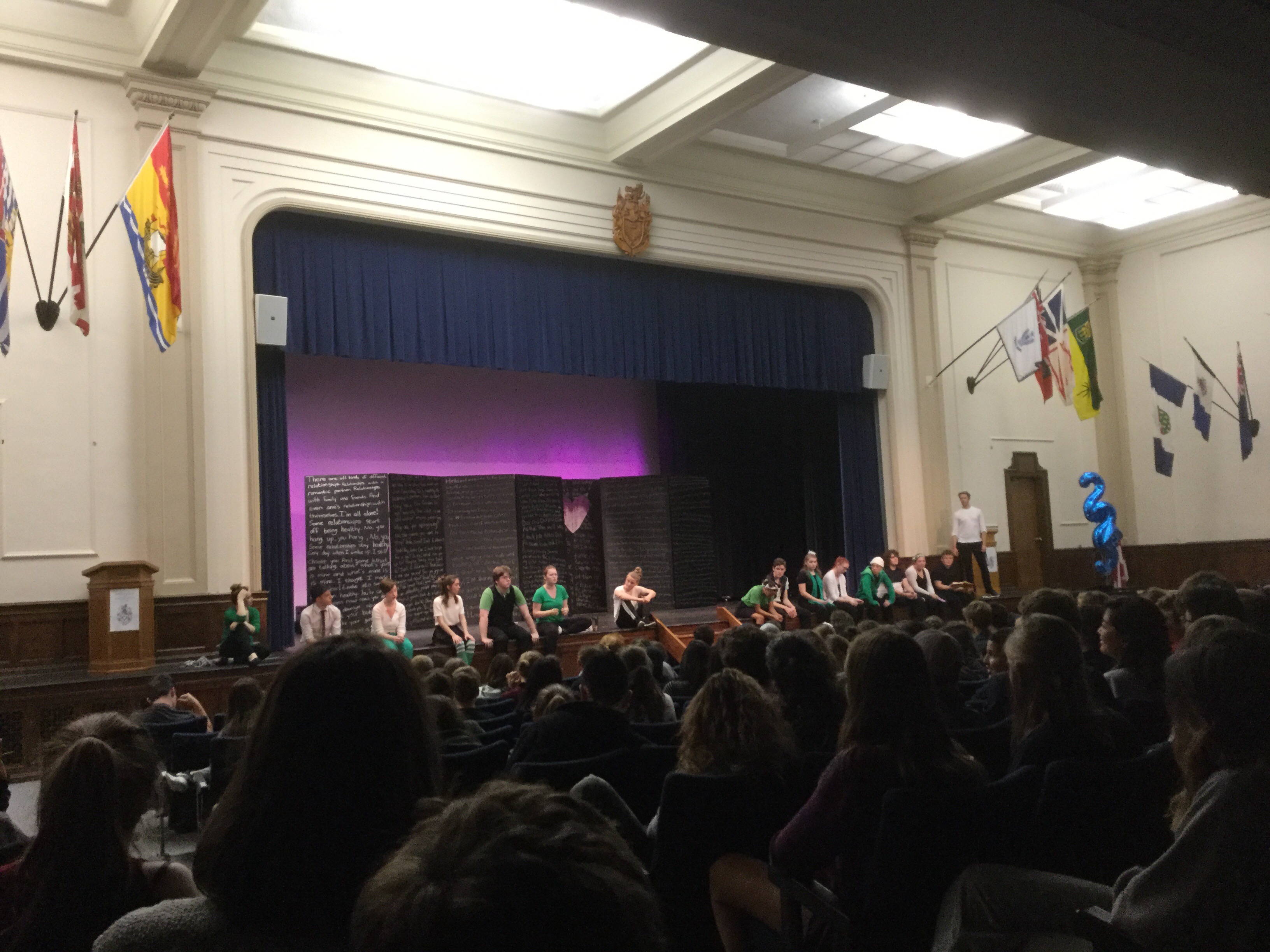 We saw the theatre complete presentation on healthy relationships today in period B.
Volume and surface area
We were working hard right until the bell today! After our quiz, we got into pairs and were given a challenge to create a box with a volume that is exactly 300 cubic centimetres. 
Dimensions were determined….nets were made, and cut out
Boxes were assembled
Next steps will be to calculate surface area on Monday, and to have a look at which ones have the biggest and smallest surface areas.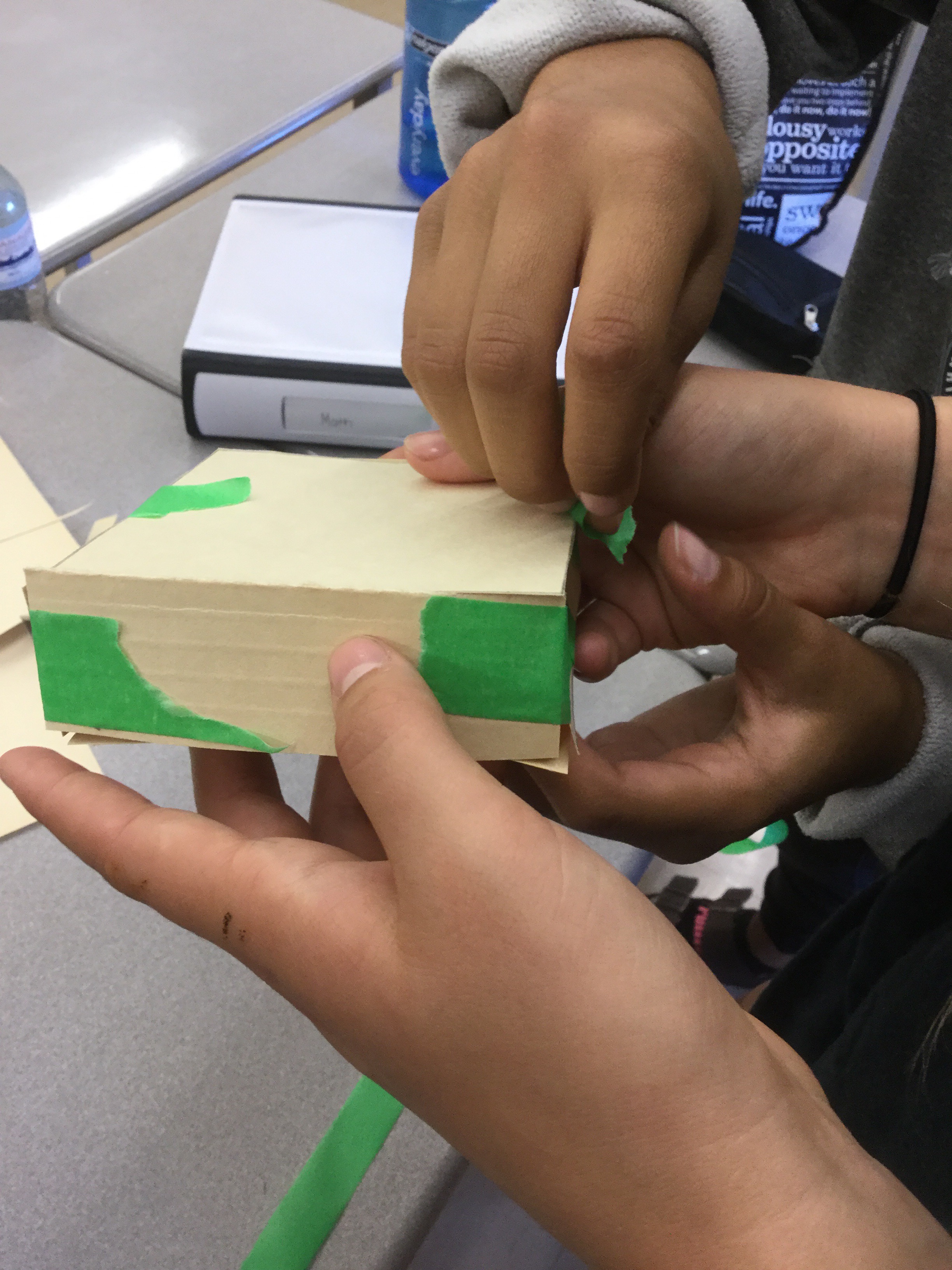
Good problem solvers do all of these things
We looked at the pages we brainstormed yesterday….we cut out strips and categorized all of our ideas.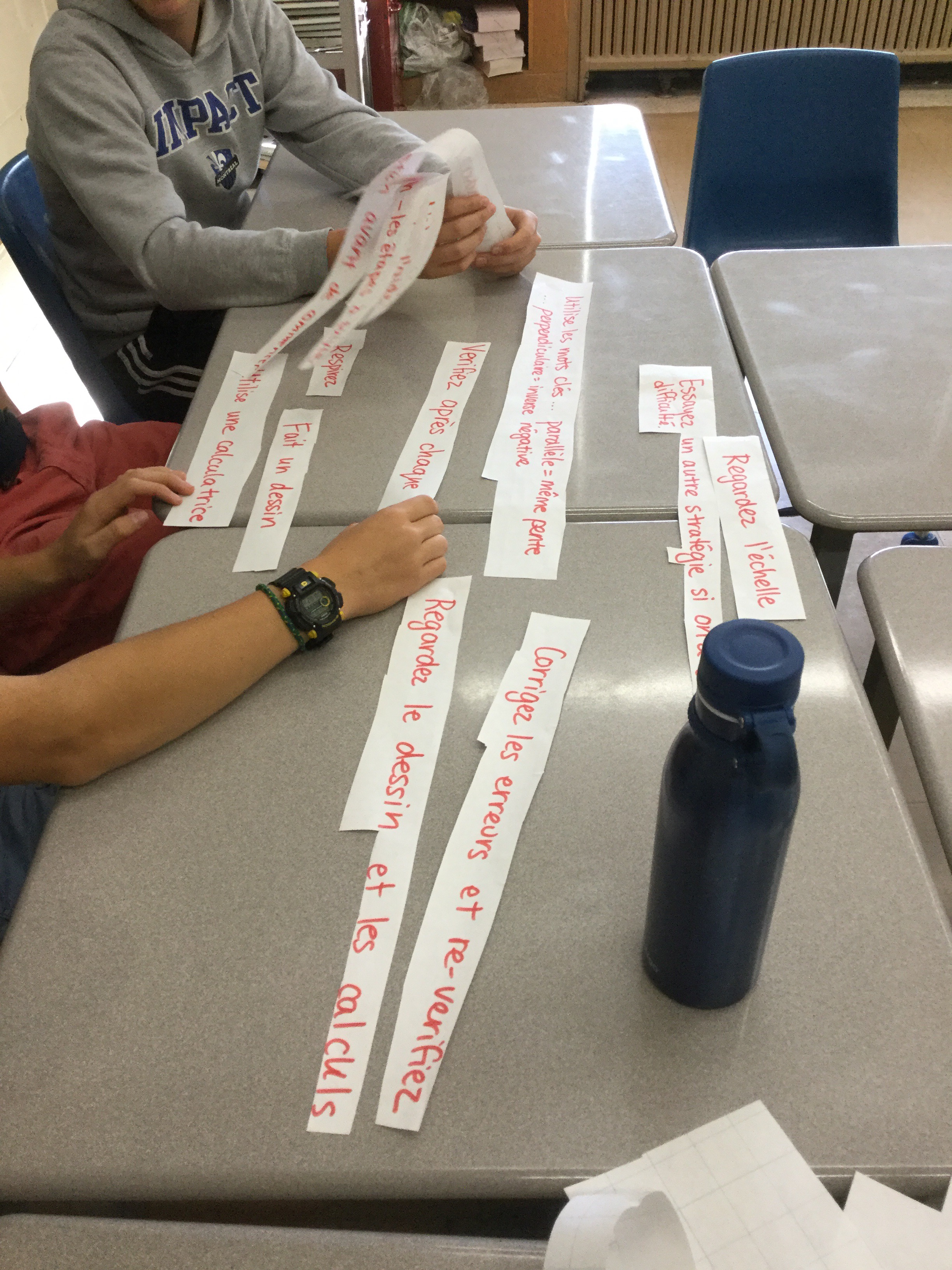
We grouped similar ideas together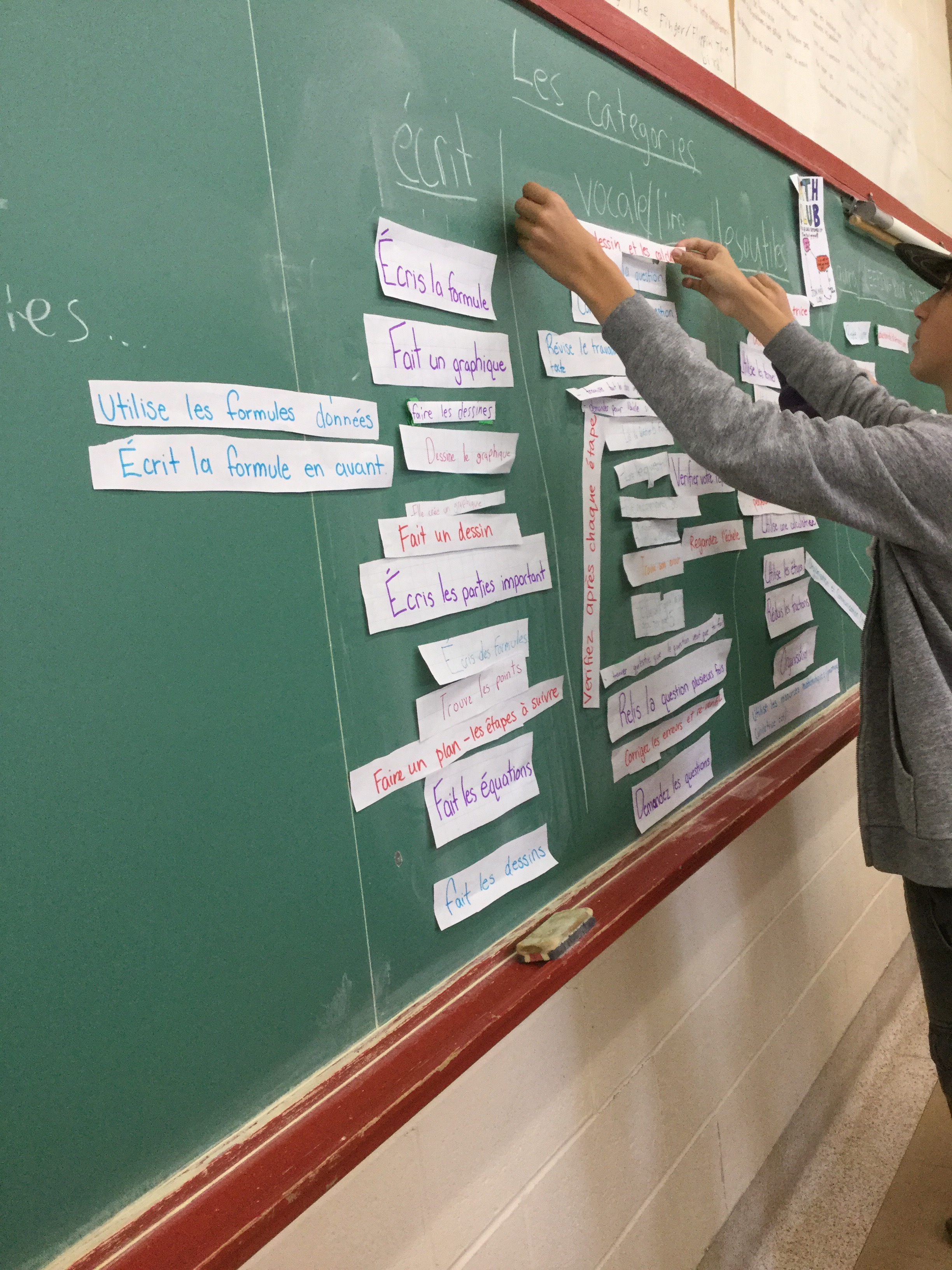
And tried to make sense of it all.


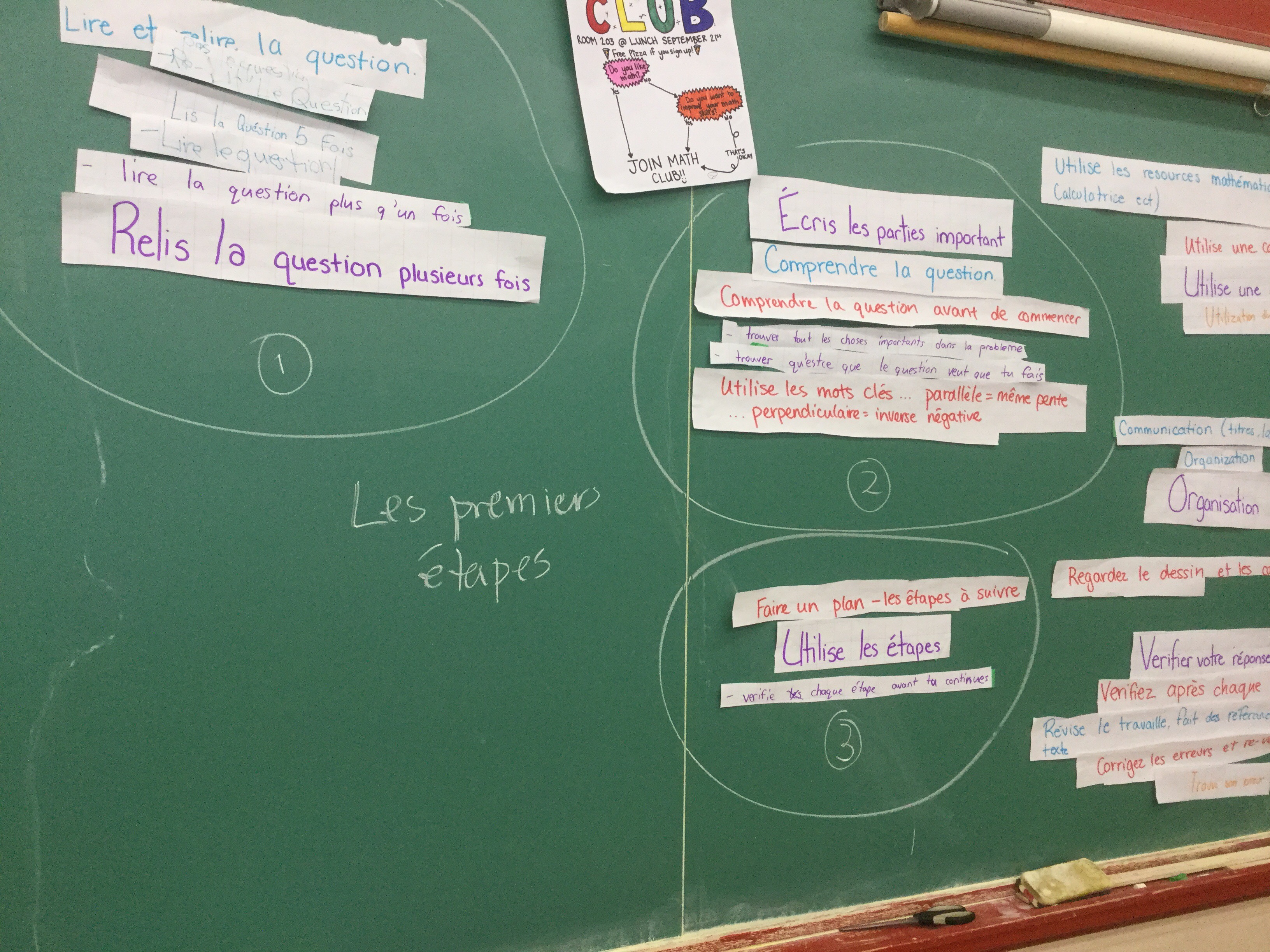
We then used all of our inspiration to solve a tricky word problem.
 Ms. Bearse's Site
