What do you notice? What do you wonder?
Watch this (no sound=no spoilers)… what do you notice and wonder about this demonstration?
(for more information check out the article)
Dynamic geometry with desmos
 Desmos has a beta version of dynamic geometry software. We used it today to construct medians, perpendicular bisectors, altitudes and see how they intersect. It’s pretty neat that all of these intersections are always colinear.
Portfolios and proof cards
We are working hard to demonstrate our learning in many ways. We are keeping a portfolio and reflecting on what work is evidence of our skills.
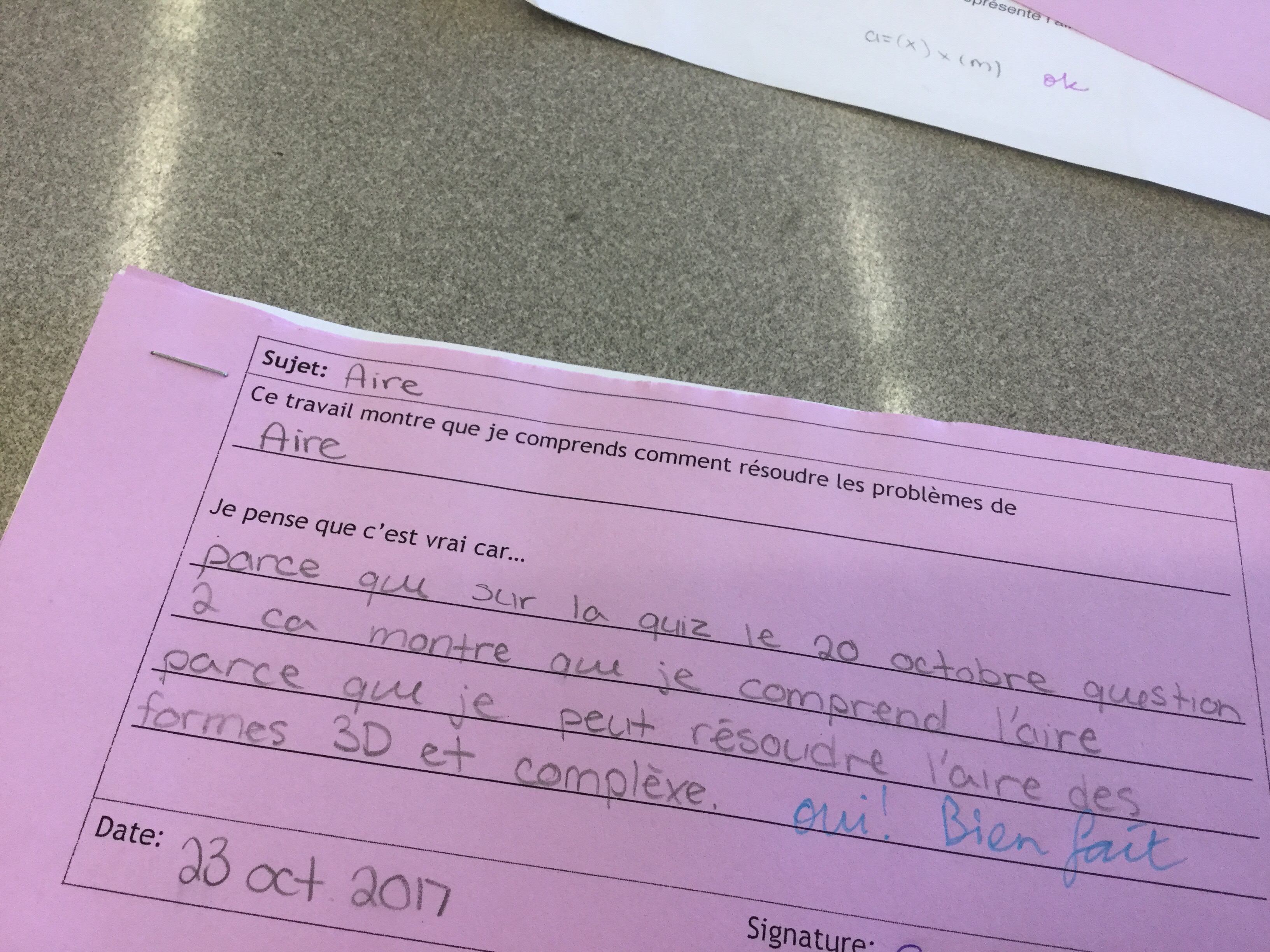 We are attaching proof cards to selections of our work . These prompts had us looking for evidence of skills. Other prompts in the future will focus on different aspects of our work.

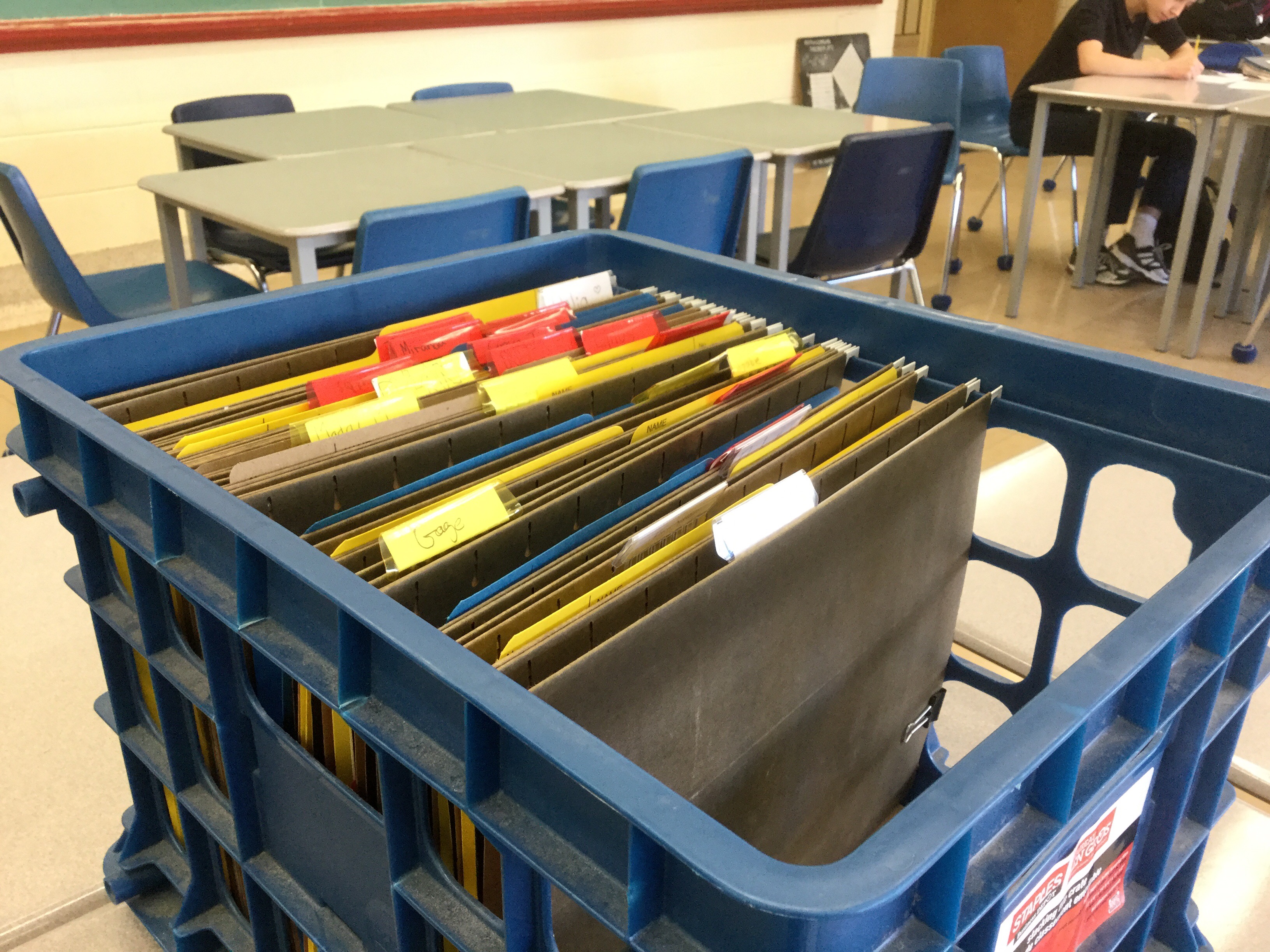
We are keeping our portfolio work in files in the classroom to help us stay organized.
Looking for patterns
We continued our investigation of prisms today. 


Once we made a lot of prisms all with a volume of 300 cubic centimetres, we calculated the surface area of each.

We made a summary chart, and then tried to make a box with a bigger area than those listed, and tried to make a box with a smaller area than those listed.
We learned that a cube has the smallest surface area, and that a long skinny box would have the largest surface area.
We also had a few patterns from visualpatterns.org that intrigued us.

We’re looking at how the visual and the algebraic patterns are connected.
It’s a new way of thinking!
Assembly today
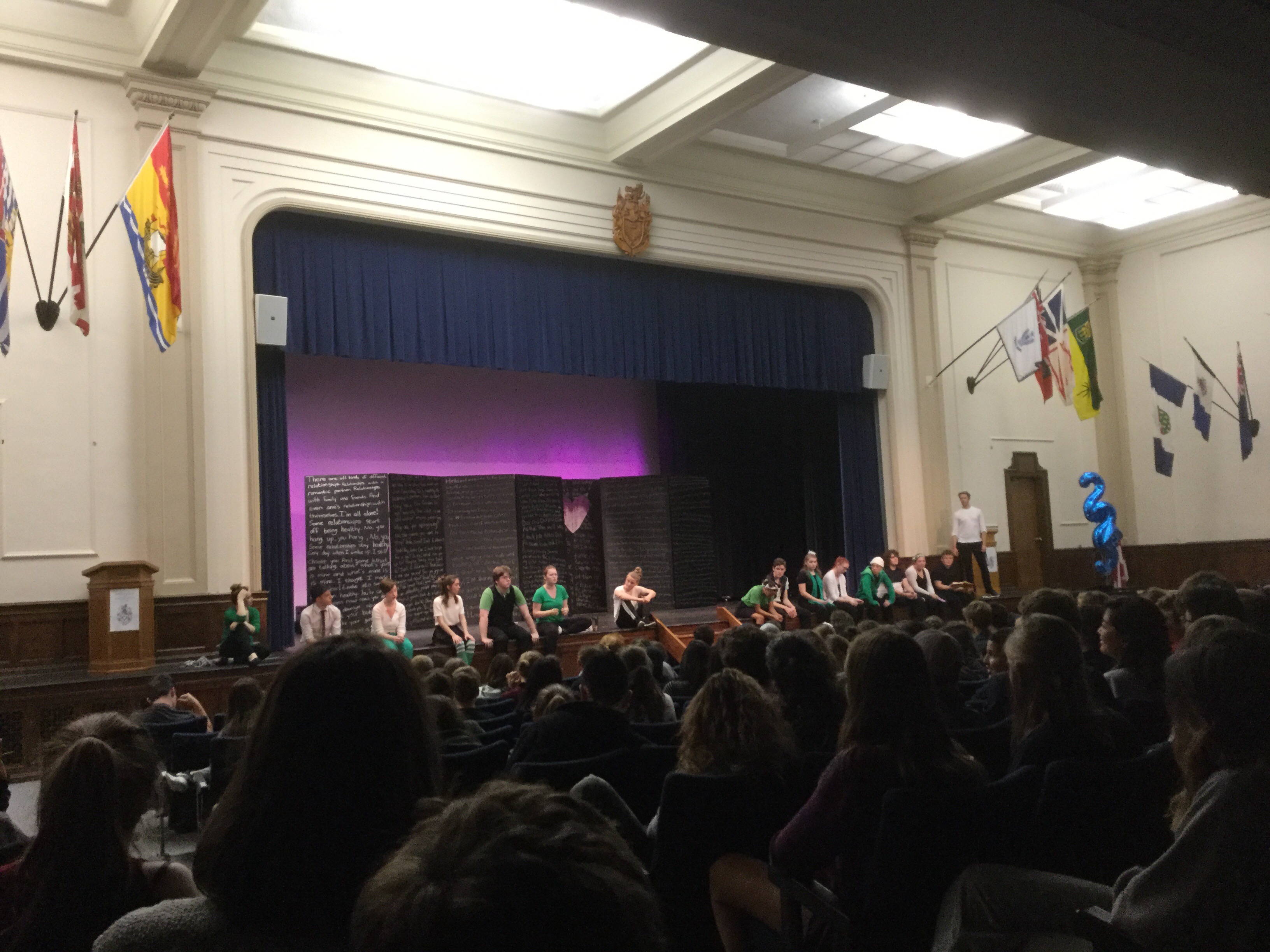 We saw the theatre complete presentation on healthy relationships today in period B.
Volume and surface area
We were working hard right until the bell today! After our quiz, we got into pairs and were given a challenge to create a box with a volume that is exactly 300 cubic centimetres. 
Dimensions were determined….nets were made, and cut out
Boxes were assembled
Next steps will be to calculate surface area on Monday, and to have a look at which ones have the biggest and smallest surface areas.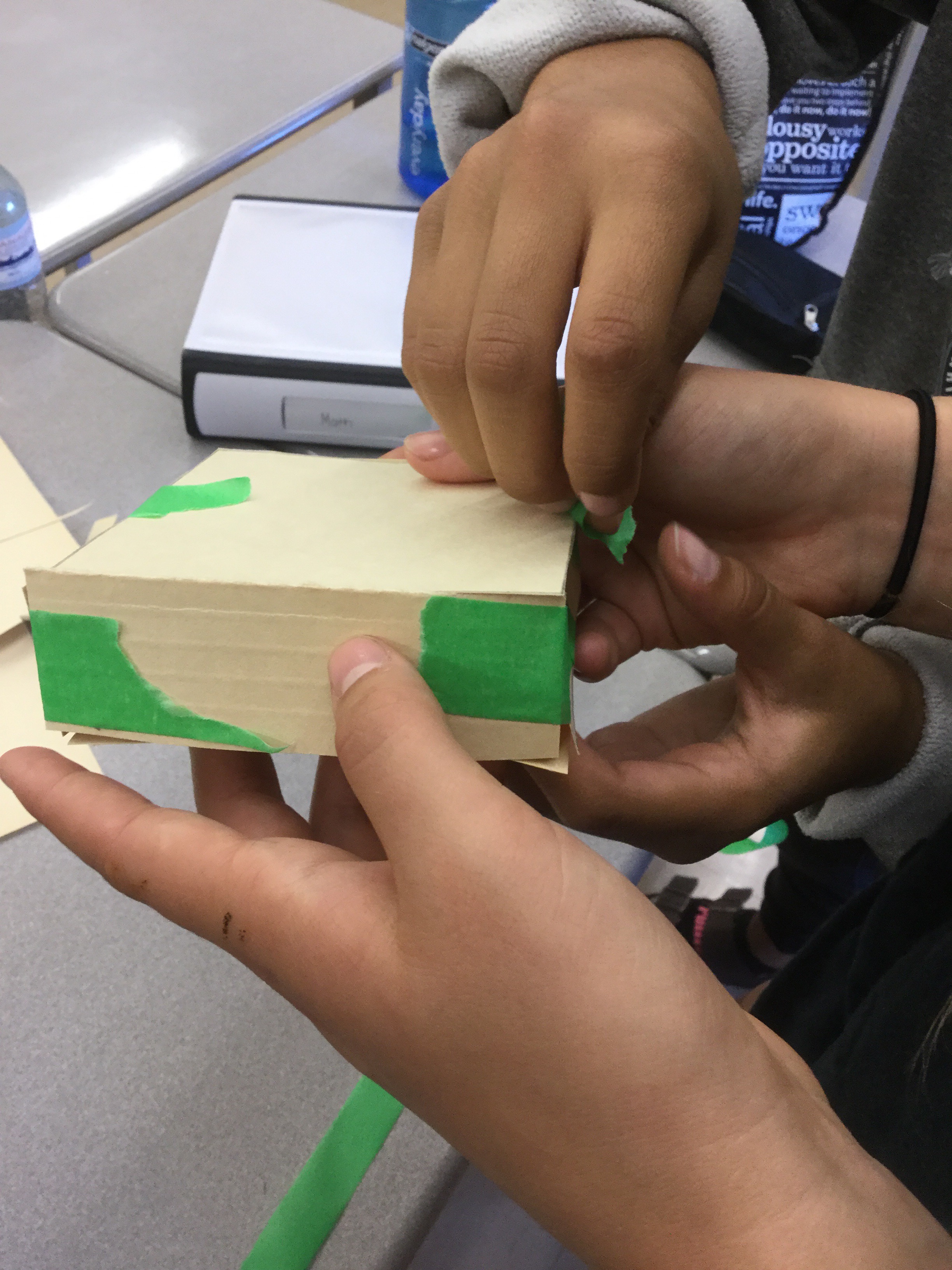
Good problem solvers do all of these things
We looked at the pages we brainstormed yesterday….we cut out strips and categorized all of our ideas.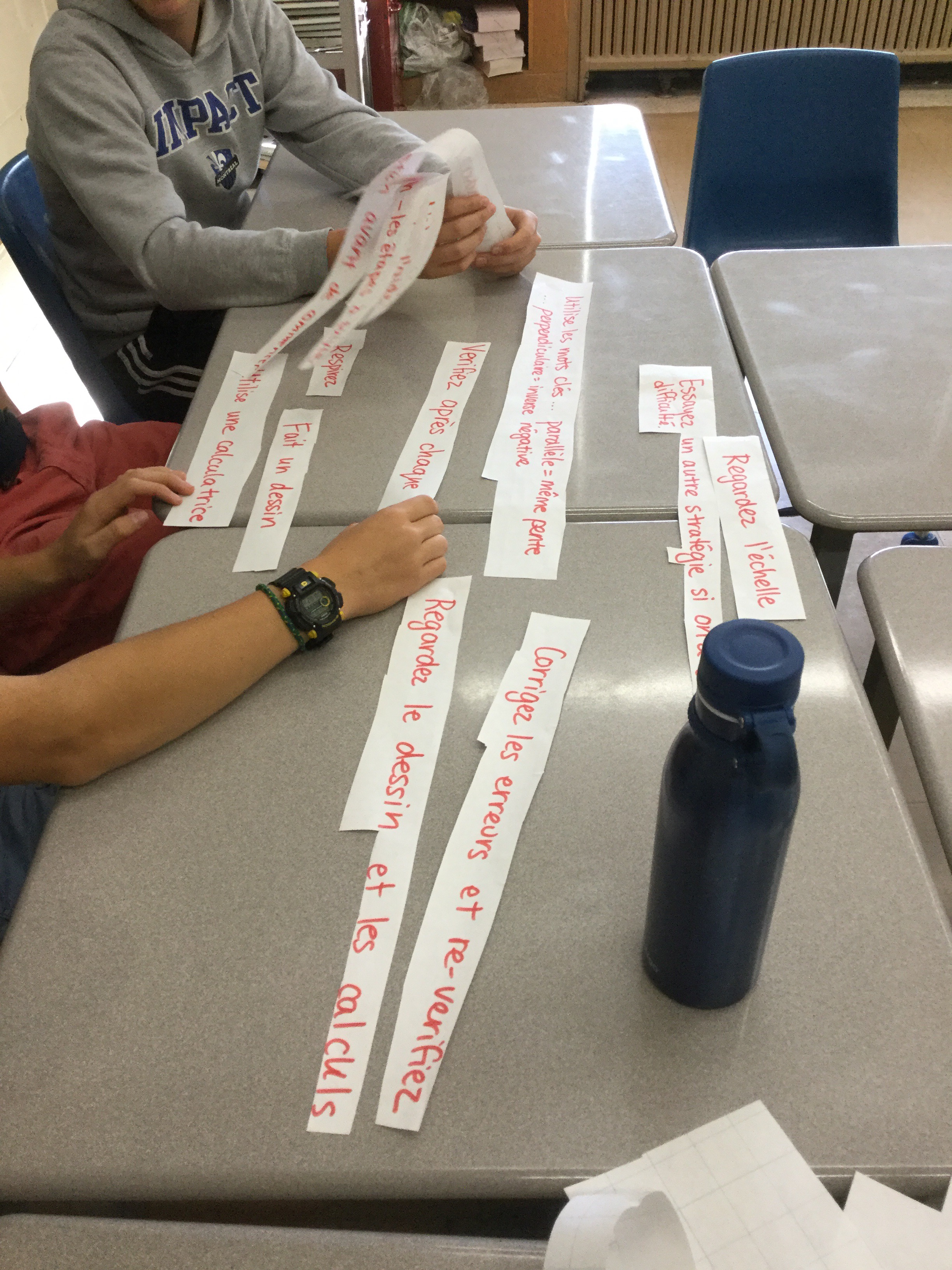
We grouped similar ideas together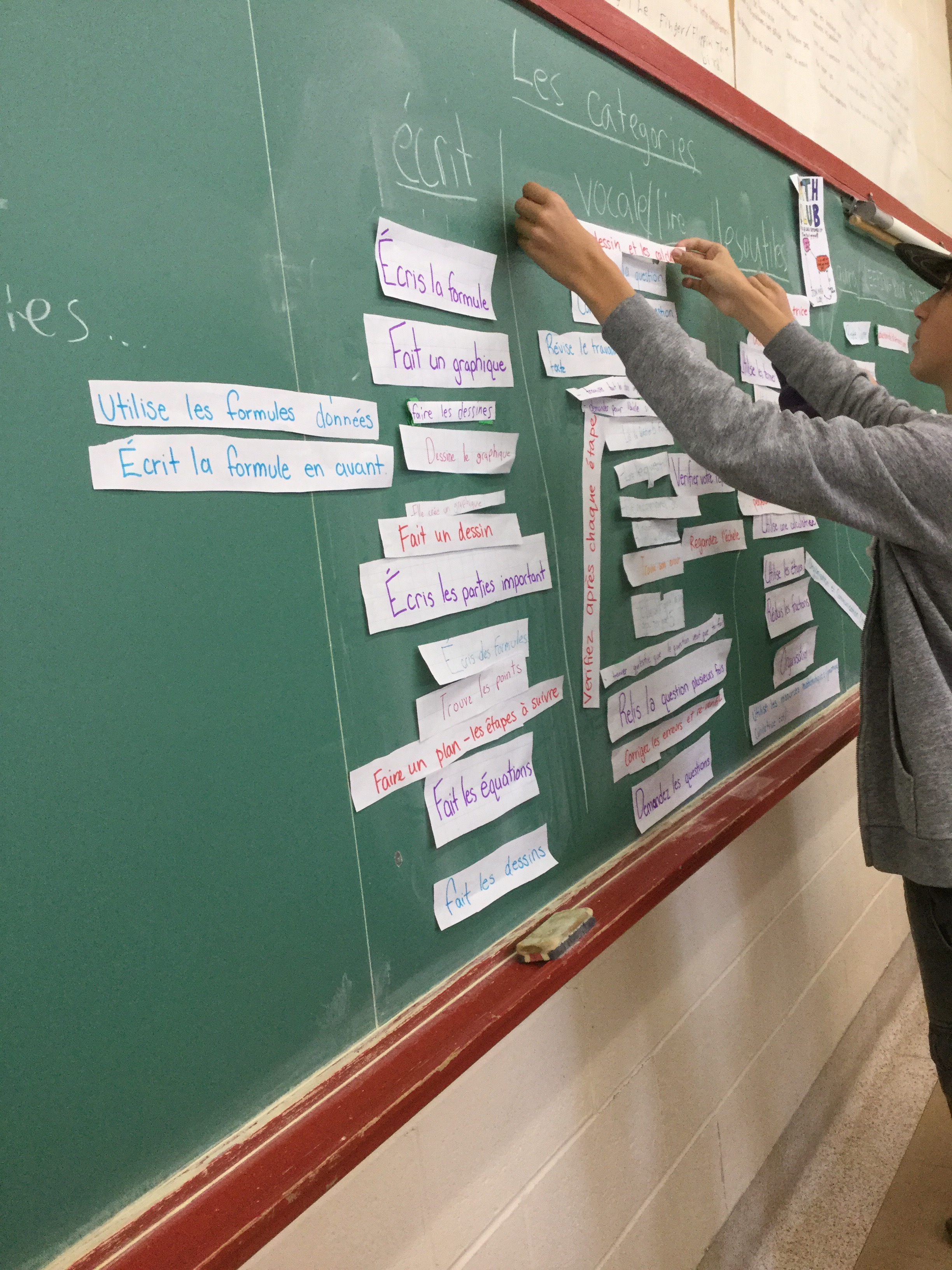
And tried to make sense of it all.


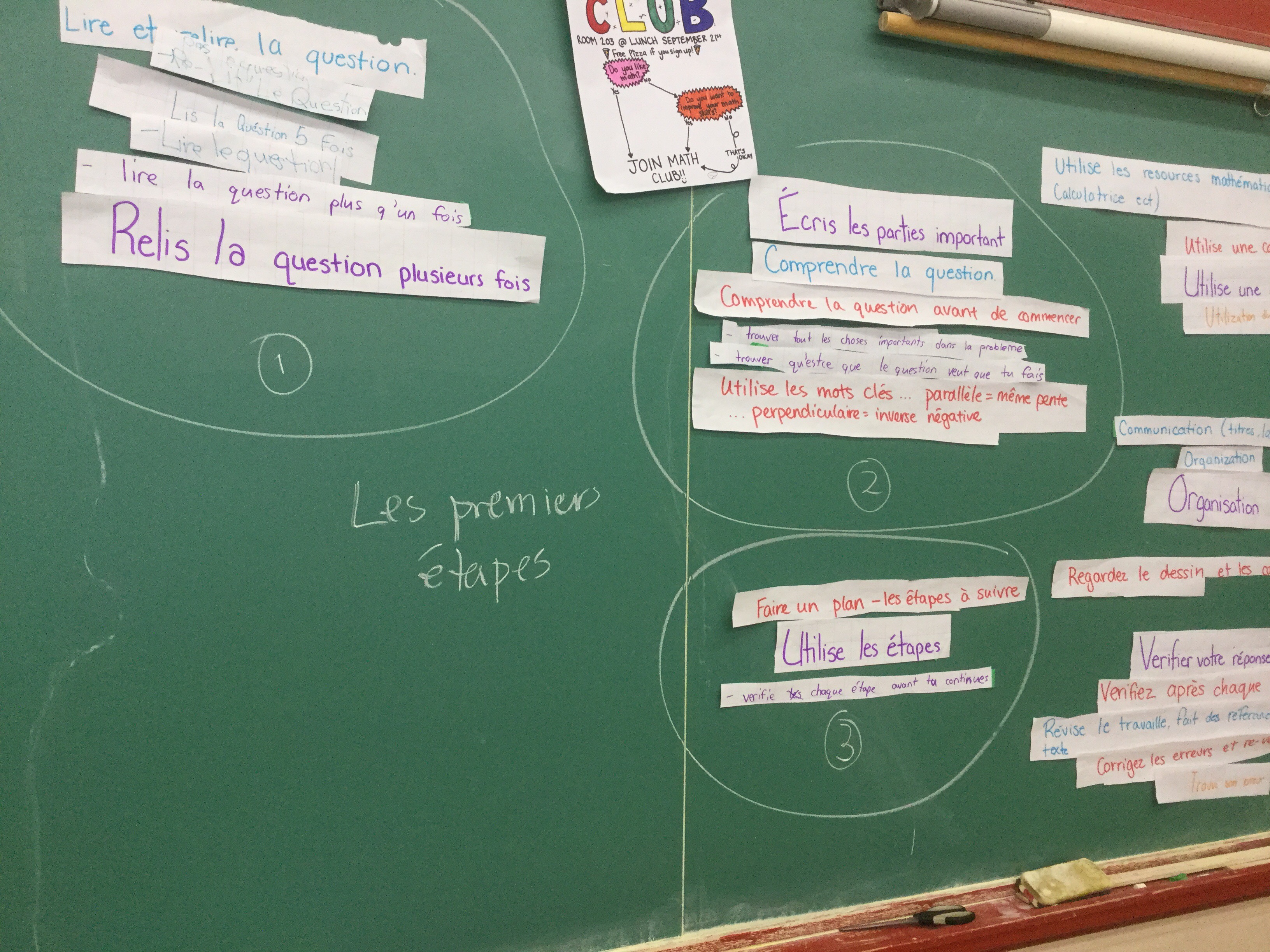
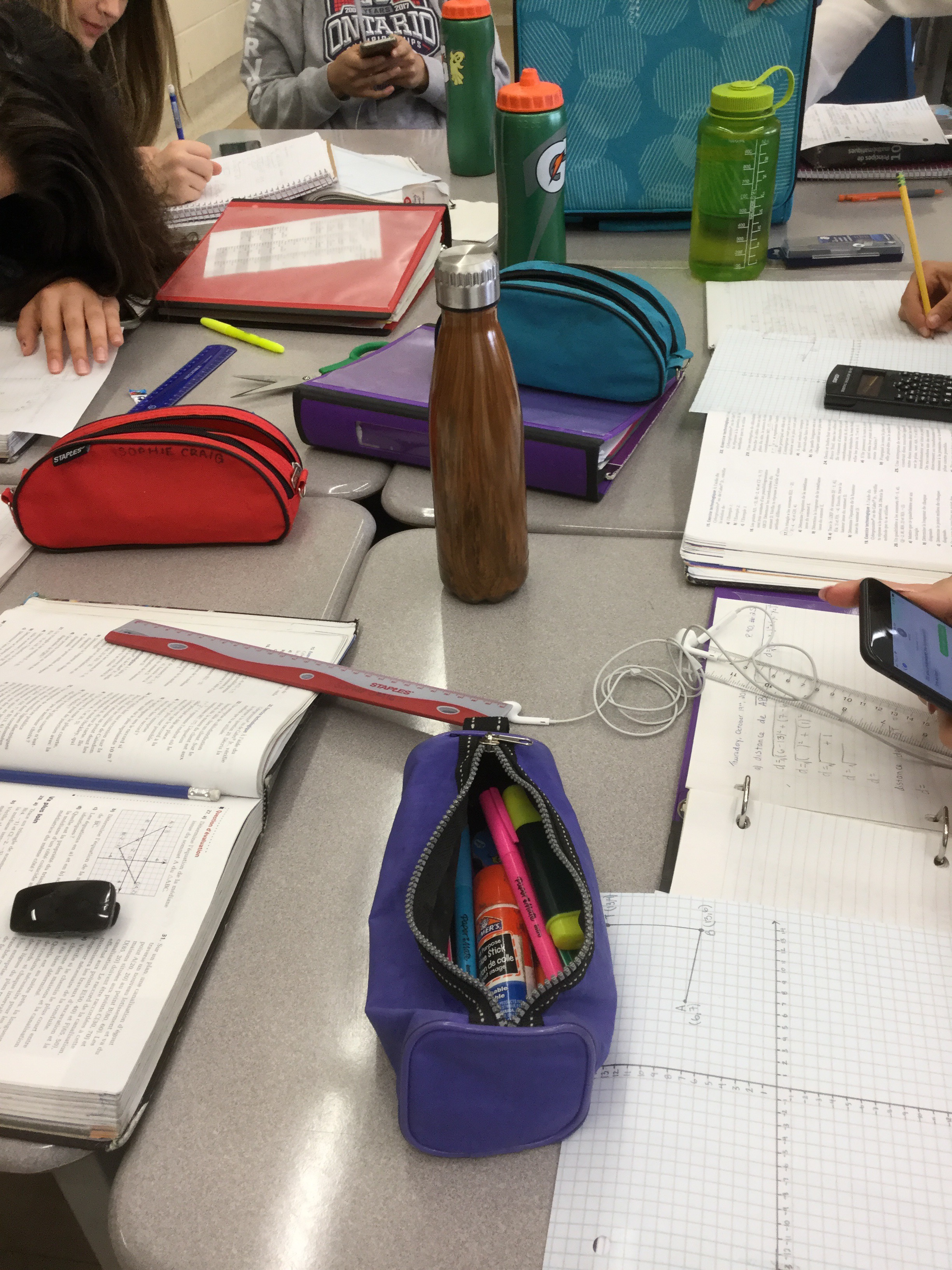
We then used all of our inspiration to solve a tricky word problem.
Guest Speaker
We had a guest speaker with us today to discuss technical drawing. He is an instructor at Queen’s and teaches first year engineers their technical drawing course.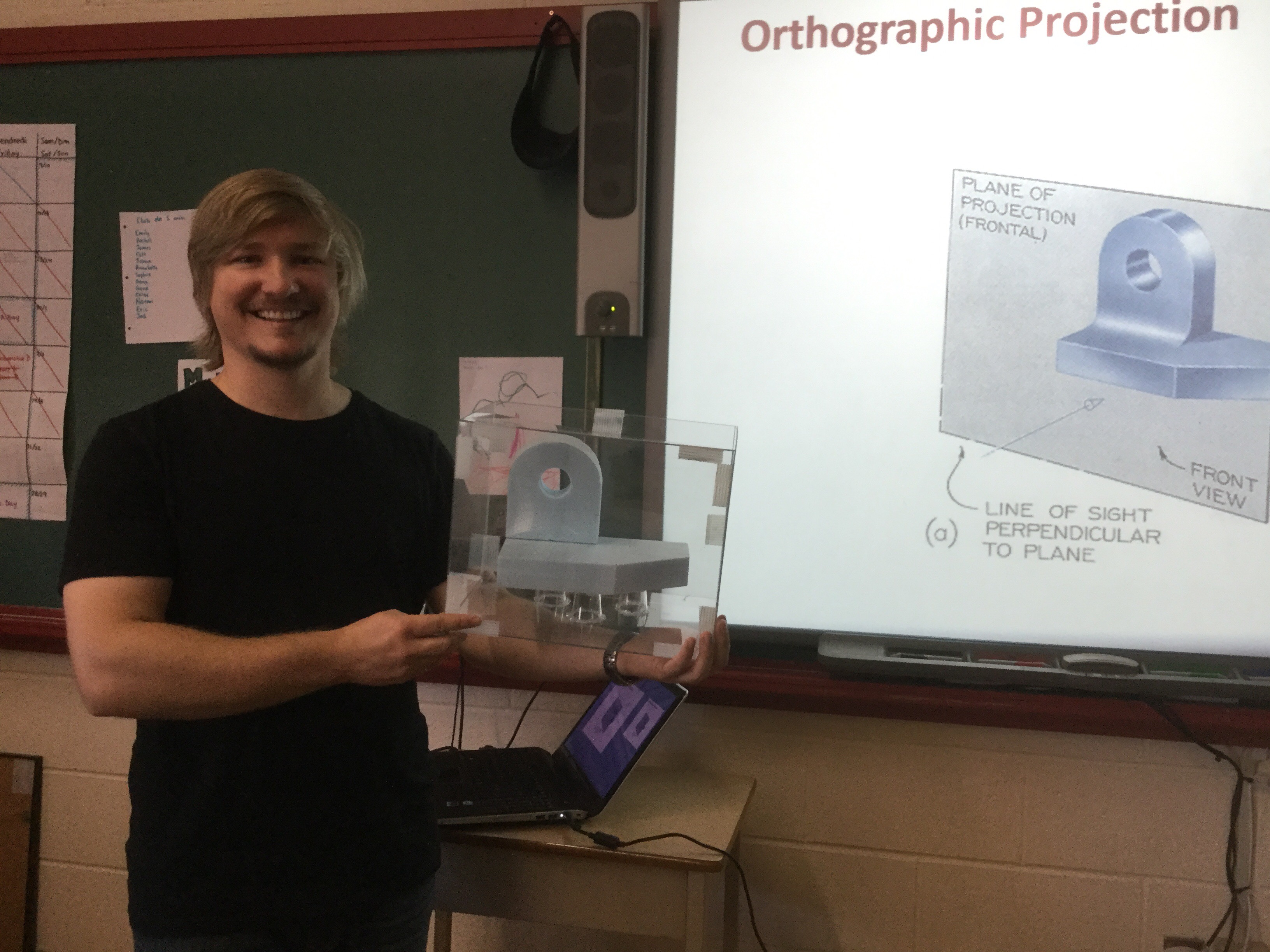
What do “good problem solvers” do?
Today we had a look at how people solve problems. We had one member of each group solve a problem out loud, while the other group members looked for strategies that were used, and kept a log of what techniques and words were used.
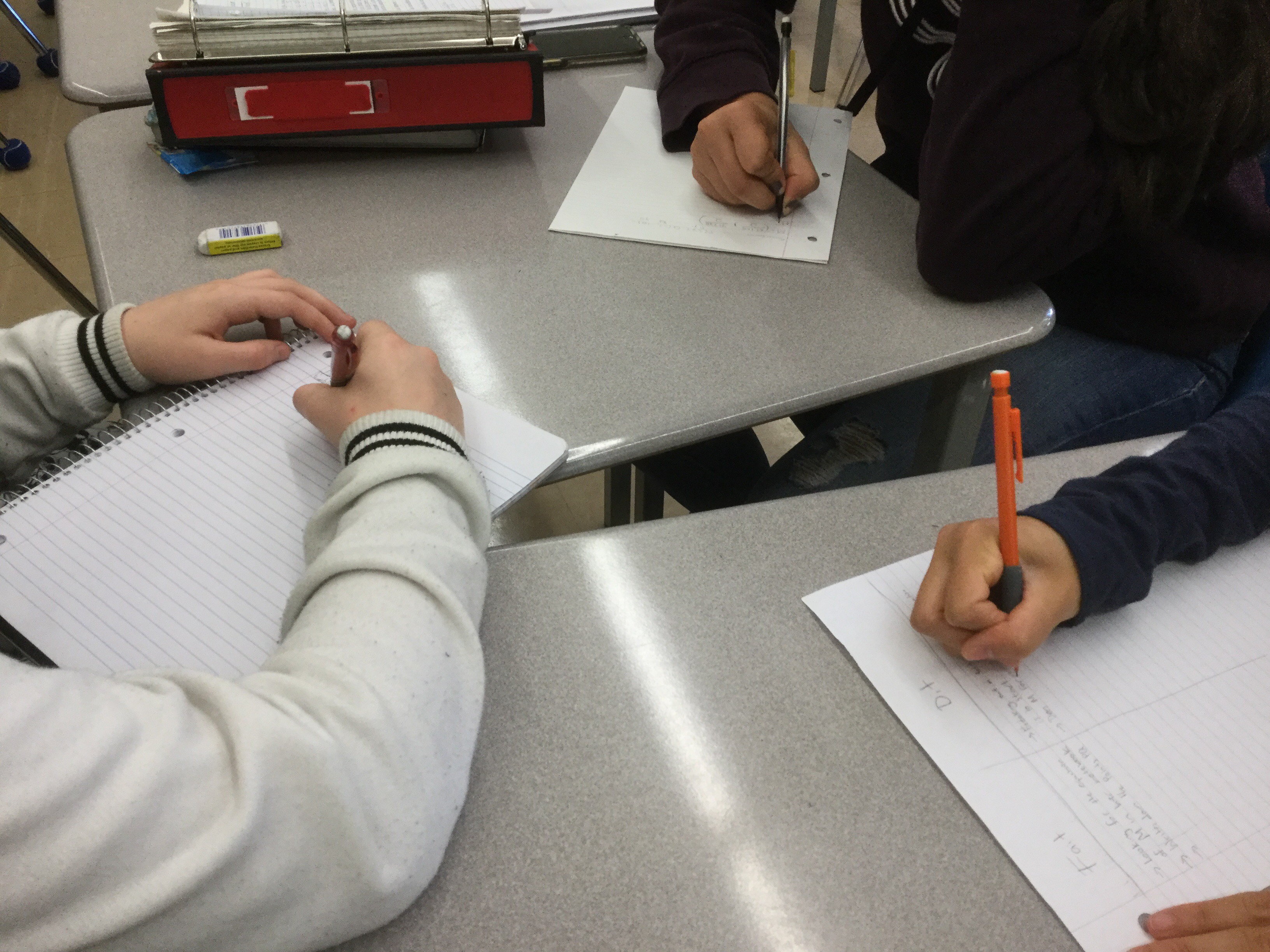
We noticed how weird it is to say alll he things that go through your mind while solving problems. We also noticed how hard it is to observe and take notes.

We will be compiling a list of things that good problem solvers do, and then hopefully using that list a lot this term to help us improve our problem solving skills.
How to not give up
While looking at learning skills today, a classmate asked “how do you ‘not give up’?” Wanting clarification about what it means to persevere, and strategies to get through difficult problems (in life and in math).
We took a break from the math, and looked at all the strategies we could brainstorm to keep going, and get motivation….we looked at changing our thoughts, to setting small goals, to asking for help, and changing up approaches. Here’s our list.
Hopefully we will all become more resilient problem solvers in math and in life.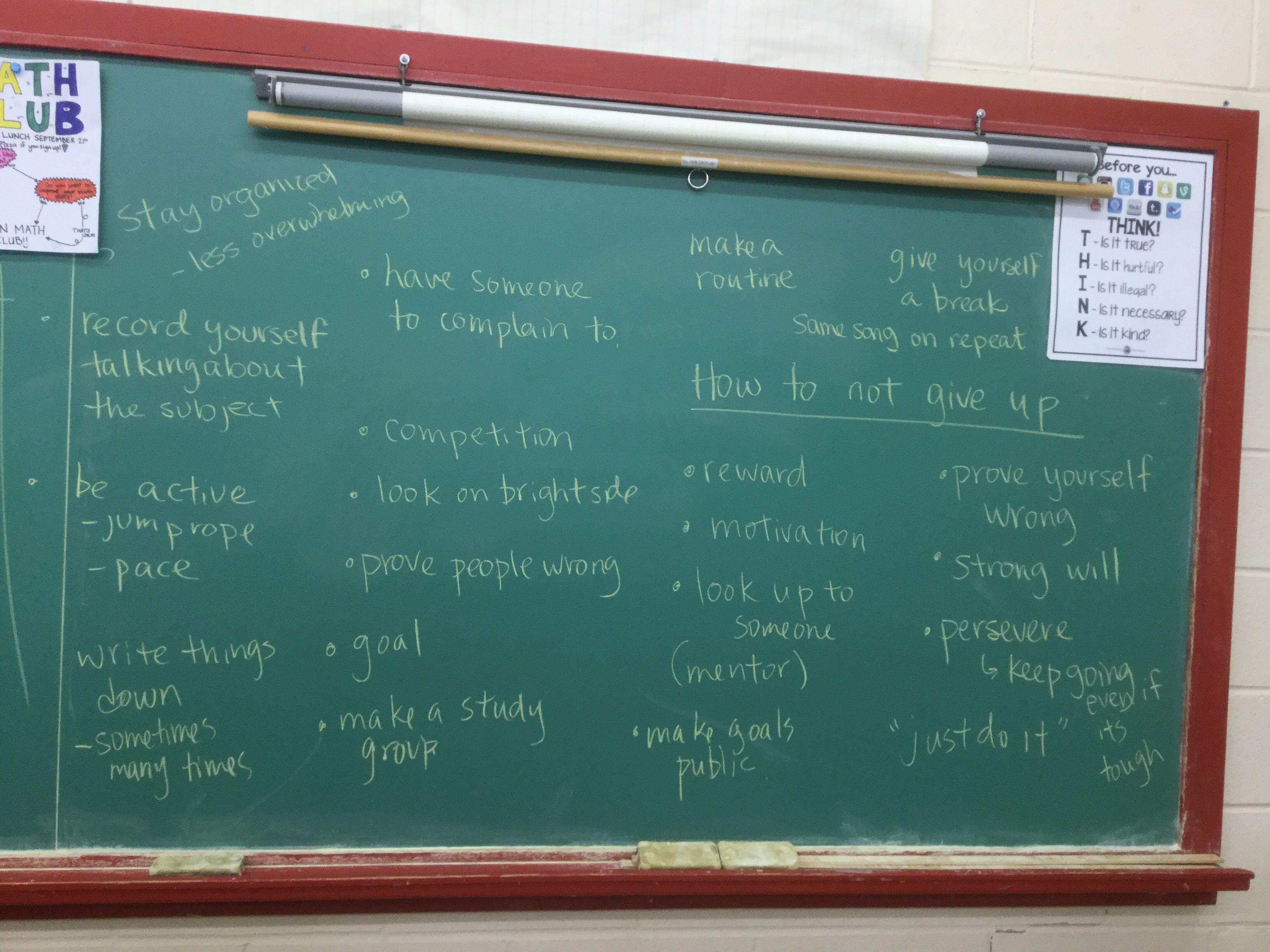
 Ms. Bearse's Site